
Buy or Build a House in Costa Rica expert tips | Finish Touch
Is It Better to Buy or Build a House in Costa Rica?
Costa Rica has become one of the most desirable destinations for property buyers, retirees, and investors seeking a peaceful lifestyle surrounded by nature. When people start exploring real estate options here, they often face one big question: Is it better to buy an existing house or build a new one from scratch?
The answer depends on your goals, budget, and long-term vision. In this guide, we’ll break down both choices in detail from costs and legal requirements to lifestyle preferences so you can make a well-informed decision about owning a home in Costa Rica.
1. Understanding the Real Estate Landscape in Costa Rica
Costa Rica offers a stable political environment, a strong property ownership system, and appealing options for both foreign buyers and local investors. The real estate market is diverse from beachfront villas and mountain homes to urban apartments in San José.
Foreigners enjoy the same property rights as citizens, and the process of purchasing land or building property is transparent. However, like any international investment, it’s essential to understand the costs, construction standards, and permit procedures before you decide whether to buy or build.
2. Buying a House in Costa Rica: Overview
Buying an existing house might seem simpler and faster. You can visit a few properties, negotiate the price, and move in once the paperwork is done. For some, this offers immediate convenience and predictable costs.
However, the market for pre-built homes in Costa Rica can be limited in certain regions, and quality standards may vary widely depending on when and how the house was built. You may also need to invest in renovations or upgrades to match your preferences or modern building codes.
3. Building a House in Costa Rica: Overview
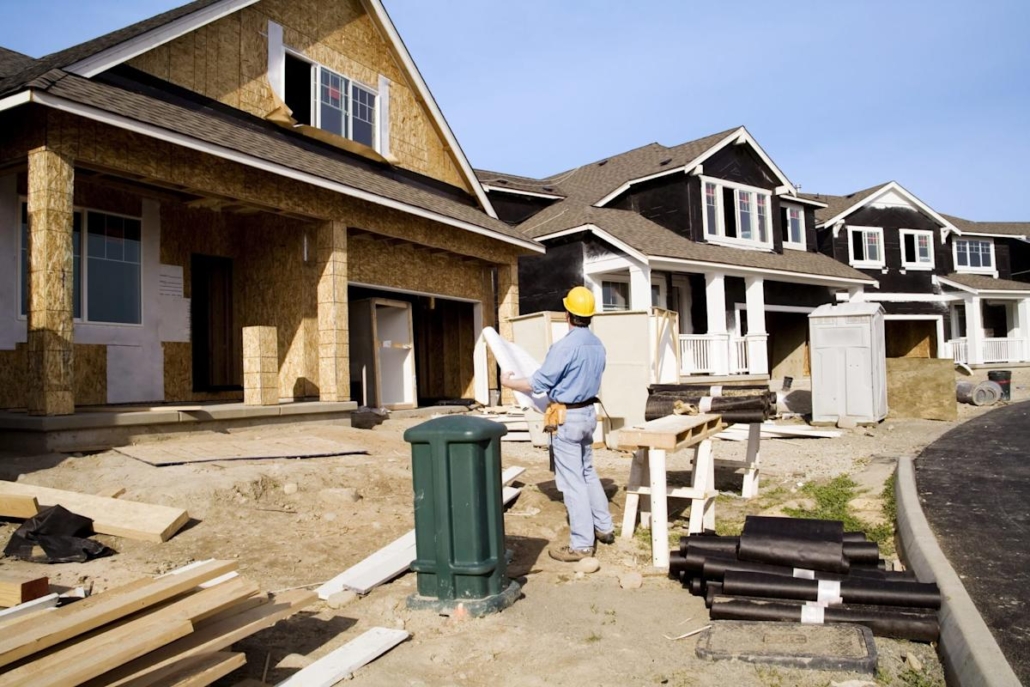
Building your home gives you total freedom to design according to your lifestyle, land, and climate. You can choose your layout, materials, and finishes while ensuring your home meets your energy efficiency and comfort standards.
Construction quality in Costa Rica has improved significantly in recent years, especially when working with licensed general contractors in Costa Rica who handle design, permits, and project management.
While building requires more time and oversight, many homeowners find the end result more satisfying a home that reflects their exact vision and adapts to the Costa Rican environment.
4. Comparing Costs: Buying vs. Building
When it comes to cost, the difference can vary depending on the location, materials, and market trends.
- Buying a home: Prices depend heavily on region. For example, homes in Guanacaste or coastal areas may cost significantly more than those inland.
- Building a home: The house construction cost in Costa Rica generally starts around USD $900–$1,200 per square meter for mid-range construction and can go up for luxury projects.
Although buying may seem cheaper upfront, building often provides better long-term value because you control quality and efficiency from the start.
5. Timeline and Convenience
Buying: Purchasing an existing home is usually faster. You can finalize a deal and move in within a few months after due diligence and legal checks.
Building: The construction process may take 8–18 months, depending on project size, weather, and permitting.
If you’re relocating soon or don’t have time for supervision, buying may suit you better. But if you plan to settle long-term and want every detail customized, building offers greater satisfaction.
6. Land Availability and Location
If you’re leaning toward building, finding the right land is the first step. Costa Rica offers abundant opportunities for residential plots, ocean-view lots in Guanacaste, mountain sites in Atenas, or rain forest surroundings near Dominical.
Always verify zoning restrictions, road access, and utilities. Working with experienced builders familiar with local municipalities ensures your land is suitable for your dream home and compliant with national building regulations.
7. Legal Requirements and Permits
One key advantage of working with professional builders is that they manage the entire permitting process.
Building permits in Costa Rica require submission of architectural plans, structural designs, environmental reviews, and sometimes water and electrical approvals.
Foreign buyers can own property directly, and there are clear laws protecting ownership rights. A good builder or project manager can coordinate with the Colegio Federado de Ingenieros y de Arquitectos (CFIA) and local municipalities to keep everything compliant and on schedule.
8. Quality, Customization, and Materials
Building your home allows you to select materials that fit both your style and the tropical environment. Many homeowners prefer reinforced concrete structures, ceramic or porcelain tiles, and energy-efficient windows.
Custom designs also give you flexibility you can integrate indoor–outdoor living spaces, natural ventilation, and sustainable energy systems. Buying a home limits your options to what’s already built, which often means compromising on design or layout.
9. Maintenance and Longevity
Older homes in Costa Rica may require repairs due to humidity, termites, or outdated wiring. When you build new, you start fresh with modern materials and warranties.
New builds are often easier to maintain and cheaper in the long run, especially when built with proper waterproofing, drainage, and locally tested materials. Choosing a reliable contractor ensures your home can withstand Costa Rica’s climate for decades.
10. Lifestyle Preferences and Personal Vision
Think about your goals. Do you want a ready-made home where you can move in immediately, or are you excited about creating your own tropical retreat?
Building appeals to those who value design freedom and want every detail customized from the kitchen layout to outdoor terraces. Buying works best for those who prioritize convenience and want to avoid construction management responsibilities.
11. Return on Investment and Resale Value
Building your own home in Costa Rica can yield a stronger return because you’re adding value through construction. A well-built, modern home in a desirable location can appreciate faster than older properties.
On the other hand, buying a ready home in a high-demand area, such as Tamarindo or Nosara, can generate quick rental income and faster occupancy. The key is balancing upfront effort with long-term financial goals.
12. Working With the Right Experts
Whichever path you choose, partnering with local professionals makes all the difference. Experienced contractors understand local terrain, materials, and municipal processes.
Finish Touch Enterprises specializes in custom home construction, design, permitting, and turnkey project delivery. They help clients navigate every step from design concepts and land preparation to final handover ensuring your home meets Costa Rica’s standards and your personal expectations.
13. Sustainability and Environmental Considerations
Costa Rica is known for its eco-friendly mindset. When you build, you can integrate sustainable systems like solar panels, rainwater harvesting, and efficient insulation.
Older properties may not have these features, so retrofitting can become costly. New builds make it easier to design a sustainable, low-maintenance home aligned with Costa Rica’s environmental values.
14. Pros and Cons at a Glance
| Aspect | Buying a Home | Building a Home |
| Timeline | Quick move-in | Longer (8–18 months) |
| Customization | Limited | Full control |
| Cost Control | Fixed upfront | Adjustable by design |
| Quality | Depends on existing build | Managed from start |
| Permits | Minimal | Required |
| Sustainability | May need upgrades | Built-in efficiency |
| Resale Potential | Depends on market | Can appreciate faster |
This summary helps you weigh what matters most time, design, or investment potential.
15. Which Option Is Right for You?
If you’re relocating soon and want a straightforward purchase, buying may be the simpler route. But if you value quality, customization, and long-term comfort, building your home in Costa Rica could be the wiser choice.
The ideal option depends on your priorities:
- Choose buying if you want convenience and immediate living.
- Choose a building if you want a home designed precisely for your lifestyle, built with trusted materials, and backed by expert construction management.
Conclusion
Deciding whether to buy or build a house in Costa Rica depends on your goals, timeline, and personal vision. Buying an existing home is quick, convenient, and often suited for people ready to move in immediately. It saves time but offers less flexibility in design and materials.
Building, on the other hand, gives you complete control from the architectural layout to the finishes. You can choose sustainable materials, energy-efficient systems, and a design that matches your lifestyle perfectly. Although it requires more planning and patience, the result is a high-quality, custom-built home that increases in value over time.
If you’re planning to make Costa Rica your long-term home or investment, working with a trusted local builder ensures that your experience is smooth, transparent, and rewarding. The key is choosing a construction partner who understands local regulations, climates, and modern design trends.
Why Choose Finish Touch Enterprises
Finish Touch Enterprises has built its reputation as one of Costa Rica’s most reliable and experienced construction partners. The company provides full-service solutions from design and permitting to turnkey construction and interior finishing.
When you work with Finish Touch Enterprises, you gain access to a professional team that understands every phase of Costa Rican construction. They manage permits, materials, and on-site supervision while ensuring high-quality craftsmanship in every project.
Here’s what sets them apart:
- Comprehensive expertise: From residential design to full-scale construction, every service is handled under one roof.
- Transparent communication: You’ll always know where your project stands and what to expect next.
- Local knowledge: Their familiarity with Costa Rican laws, municipalities, and land requirements saves you time and money.
- Custom design flexibility: Every home is built to reflect your personality, lifestyle, and environment.
- Commitment to quality: Each project uses durable, climate-appropriate materials designed for Costa Rica’s tropical conditions.
Whether you’re buying land or planning a full build, Finish Touch Enterprises makes the process effortless, ensuring your dream home becomes a reality.
Frequently Asked Questions
1. Is it cheaper to buy or build a house in Costa Rica?
It depends on your location, design preferences, and materials. Generally, building your home can be more cost-effective in the long term because you control construction quality and avoid renovation expenses. However, buying an existing home can be faster and sometimes cheaper upfront.
2. How much does it cost to build a house in Costa Rica in 2025?
Construction costs typically start around $900–$1,200 per square meter for mid-range homes. Luxury or complex builds can exceed $1,500 per square meter, depending on materials and design choices. Always request a detailed quote from a certified contractor before starting.
3. Can foreigners buy or build property in Costa Rica?
Yes. Costa Rica allows foreigners to own and build property with the same rights as citizens. The process is transparent and secure, as long as all legal steps, permits, and registrations are completed correctly.
4. How long does it take to build a new home in Costa Rica?
The timeline can range from 8 to 18 months. Factors like design complexity, weather, and permit approvals influence duration. Partnering with an experienced contractor ensures steady progress and timely completion.
5. What permits are required to build a house in Costa Rica?
You’ll need building permits from the local municipality, environmental clearances, water and electrical permissions, and architectural approval through the CFIA (Colegio Federado de Ingenieros y de Arquitectos). A professional contractor handles this process on your behalf.
6. What are the most popular areas to build homes in Costa Rica?
Popular regions include Guanacaste for coastal living, Atenas for mountain views, and Central Valley for proximity to the capital. Each region has unique advantages, from ocean access to cooler climates.
7. Is building a house in Costa Rica a good investment?
Yes. Building a well-designed, modern home can provide long-term appreciation and excellent rental potential. Custom homes built with quality materials tend to increase in value faster than older, pre-owned houses.
8. How do I find reliable home builders in Costa Rica?
Research online reviews, visit completed projects, and choose a licensed contractor with experience in residential builds. Finish Touch Enterprises is one of the most trusted options, offering design, construction, and turnkey services across Costa Rica.
9. What is the process of buying land and building in Costa Rica?
Start by hiring a real estate attorney to verify ownership, zoning, and access rights. Once the land is purchased, your contractor will handle design plans, permits, and construction according to local laws and CFIA standards.
10. Are there financing options for building a home in Costa Rica?
Some banks and credit institutions offer construction loans, though foreign buyers may face stricter requirements. Working with a local partner like Finish Touch Enterprises can help you find financial guidance and cost planning support.


Leave a Reply
Want to join the discussion?Feel free to contribute!