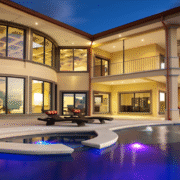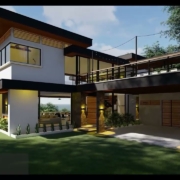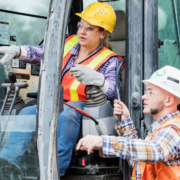
construction site safety Costa Rica workers using heavy machinery with protective gear and supervision

Construction Site Safety Standards in Costa Rica

Construction projects in Costa Rica demand more than engineering precision and quality materials. They require disciplined safety management that protects workers, prevents legal exposure, and safeguards long-term investment value.

I have managed projects where strong safety planning kept timelines intact   and I have also seen how inadequate preparation can lead to work stoppages, penalties, and unnecessary risk. Construction site safety Costa Rica standards are not suggestions. They are enforceable legal obligations that must be integrated from the earliest planning phase.

Legal Framework Governing Construction Site Safety Costa Rica

Construction site safety Costa Rica regulations are guided by national occupational health laws, labor codes, and municipal compliance standards. Oversight typically involves the Ministry of Labor and Social Security as well as mandatory worker insurance systems such as INS coverage.

Contractors must comply with:

  • Occupational health and safety regulations

  • National labor code requirements

  • Municipal construction permits and inspections

  • Mandatory worker insurance registration

Failure to comply can result in fines, suspension of work, or legal liability for both contractor and property owner.

Before beginning any project, I ensure safety compliance documentation is verified and aligned with national regulations.

Employer Responsibilities on Construction Sites

Under construction safety regulations Costa Rica standards, the contractor holds primary responsibility for site safety.

A compliant construction site must include:

  • Documented safety procedures

  • Active site supervision

  • Hazard identification protocols

  • Regular worker safety briefings

  • Safe machinery operation practices

Safety is not achieved through paperwork alone. It requires daily enforcement and structured supervision. Consistent oversight prevents the majority of on-site accidents.

Mandatory Personal Protective Equipment Requirements

Protective equipment requirements are strictly enforced under building site safety requirements in Costa Rica.

Essential equipment includes:

  • Safety helmets

  • High-visibility clothing

  • Protective footwear

  • Task-specific gloves

  • Eye and hearing protection when required

Supervisors must enforce compliance at all times. Allowing workers to bypass protective equipment exposes the project to serious liability.

Site Risk Assessment and Hazard Prevention

Every project must begin with formal construction risk management planning.

Before breaking ground, I prioritize:

  • Terrain and soil evaluation

  • Fall protection planning

  • Electrical hazard assessment

  • Equipment inspection protocols

  • On-site hazard prevention documentation

In coastal regions such as Guanacaste, heat exposure and humidity introduce additional safety considerations. Hydration scheduling, shaded rest areas, and structured breaks are essential for worker protection.

Construction site safety Costa Rica compliance requires proactive prevention   not reactive correction.

Engineering Supervision and Structural Safety Inspections

Engineering supervision plays a critical role in maintaining site safety standards Costa Rica projects demand.

Professional oversight ensures:

  • Secure scaffolding installation

  • Stable excavation practices

  • Proper reinforcement placement

  • Structural safety inspections during critical phases

Foundation work, roofing installation, and structural framing are high-risk stages that require engineering supervision to prevent accidents and structural instability.

Machinery and Equipment Compliance Standards

Unsafe equipment operation remains one of the leading causes of construction accidents in the workplace safety construction industry.

To reduce risk, projects must include:

  • Routine equipment inspection schedules

  • Verification of operator certification

  • Proper storage of fuel and hazardous materials

  • Safe lifting and load management procedures

Strict machinery oversight protects both workers and project timelines.

Worker Insurance and Protection Requirements

Construction compliance Costa Rica standards require that all workers be properly registered under national insurance systems.

Insurance coverage protects:

  • Construction workers

  • Site supervisors

  • Property owners

Failure to verify insurance documentation can immediately halt construction activities. I always confirm insurance registration before allowing work to begin.

Municipal Inspections and Safety Compliance Checks

Municipal compliance standards require periodic inspections throughout construction.

Authorities may review:

  • Structural framework stability

  • Electrical installations

  • Plumbing systems

  • Perimeter safety measures

Non-compliance can lead to work suspension or costly delays. Proactive coordination with inspectors reduces risk and keeps projects moving forward.

Fall Protection and Height Safety Controls

Working at height requires disciplined controls under construction site safety Costa Rica standards.

Effective fall protection includes:

  • Guardrails and stabilized scaffolding

  • Safety harness systems

  • Proper ladder placement

  • Controlled access to elevated work zones

Height-related incidents are preventable when equipment and supervision are properly managed.

Electrical Safety Standards on Active Sites

Temporary electrical installations pose serious hazards if not managed professionally.

Essential safety inspection protocols include:

  • Grounded power systems

  • Protected cable routing

  • Weather-resistant connections

  • Qualified electrical supervision

Professional oversight ensures safe installation and reduces fire and electrocution risk.

Emergency Preparedness and Response Planning

Every compliant construction site must maintain a documented emergency plan.

Preparedness measures include:

  • Clearly marked exit routes

  • Accessible first aid kits

  • Fire extinguishers on site

  • Emergency contact procedures

Rapid response capacity reduces injury severity and protects property.

Contractor Selection and Safety Performance

Construction site safety Costa Rica compliance begins with contractor selection.

When evaluating contractors, I prioritize:

  • Documented safety training programs

  • Proven compliance record

  • Verified insurance coverage

  • Structured supervision systems

An experienced contractor committed to safety significantly reduces legal and operational risk.

Integrating Safety Into Project Planning

Safety must be embedded into design, scheduling, and budgeting decisions   not treated as a final checklist.

I ensure:

  • Budget allocation for protective equipment

  • Adequate scheduling for safe task execution

  • Coordinated inspection planning

  • Clear communication protocols

When safety is integrated from the earliest planning stage, construction progresses with greater control and fewer disruptions.

Construction site safety Costa Rica standards are a disciplined framework that protects workers, preserves project timelines, and safeguards long-term investment value.

Conclusion

Construction site safety Costa Rica compliance is not a procedural formality. It is a legal, operational, and ethical responsibility. Projects that integrate structured supervision, insurance verification, engineering oversight, and proactive hazard prevention experience fewer delays and reduced financial exposure.

When safety standards are respected from day one, construction progresses with stability, accountability, and confidence.

Why Choose Finish Touch Enterprises

At Finish Touch Enterprises, I integrate construction site safety Costa Rica compliance into every phase of project execution.

  • Structured site supervision aligned with national regulations

  • Engineering oversight for structural safety compliance

  • Documented safety protocols and inspection coordination

  • Verified insurance and worker protection compliance

  • Disciplined risk management across every build

Before beginning any project, I ensure that safety standards are not only understood   but actively enforced.

Frequently Asked Questions

What are construction site safety standards in Costa Rica?

Construction site safety Costa Rica standards are governed by national occupational health laws, labor codes, and municipal inspection requirements. They define employer responsibilities, worker protection rules, and mandatory compliance procedures.

Are contractors required to provide worker insurance in Costa Rica?

Yes. Under construction compliance Costa Rica regulations, contractors must register workers under national insurance systems to ensure protection in case of injury or accident.

Can construction be stopped for safety violations?

Yes. Municipal authorities have the power to suspend work if construction site safety Costa Rica standards are not properly followed.

What personal protective equipment is mandatory on construction sites?

Mandatory protective equipment requirements include helmets, high-visibility clothing, protective footwear, gloves, and task-specific safety gear depending on site conditions.

Why is professional engineering supervision important for site safety?

Engineering supervision ensures compliance with structural plans, fall protection standards, machinery regulations, and overall construction risk management throughout the project lifecycle.
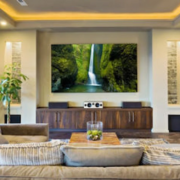

Custom lighting design Costa Rica in modern luxury living room with layered ceiling and ambient lighting

Custom Lighting Plans That Elevate Modern Interiors

Lighting defines how a space feels long before furniture or finishes are noticed. In modern interiors, it shapes depth, texture, and movement. When I design a home, lighting is never decorative afterthought   it is a structured system that supports architecture and daily living.

I have worked on projects where premium materials lost their impact simply because lighting was poorly planned. A disciplined custom lighting design Costa Rica strategy must balance aesthetics, energy performance, and usability from the earliest design phase.

Custom Lighting Design Costa Rica for Modern Interiors

Modern homes in Costa Rica   especially in luxury regions such as Guanacaste   rely on open layouts, clean lines, and strong indoor-outdoor transitions. Without intentional lighting planning, these architectural features appear flat and undefined.

An effective custom lighting design Costa Rica plan serves three essential purposes:

  • Enhances architectural details

  • Supports functional daily tasks

  • Creates atmosphere and spatial balance

Lighting should guide movement through a space. It should emphasize focal points while softening transitional areas. When structured correctly, it elevates every material and surface within the home.

Layered Lighting Strategy for Luxury Homes

A single central fixture is never sufficient in a modern luxury interior. I prioritize a layered lighting strategy that includes:

  • Ambient lighting for overall illumination

  • Task lighting for precision work areas

  • Accent lighting for architectural emphasis

Layering allows flexibility. A living space must transition from bright daytime functionality to soft evening ambiance without harsh glare or uneven brightness.

Luxury lighting plans succeed when each light source serves a defined purpose.

Ambient Lighting as the Structural Foundation

Ambient lighting establishes the base illumination level of a room. In modern interior lighting Costa Rica projects, this often includes:

  • Recessed ceiling lighting

  • Indirect cove illumination

  • Concealed LED perimeter systems

When planning ambient lighting, I evaluate:

  • Ceiling height and geometry

  • Surface reflectivity

  • Natural daylight patterns

  • Energy efficiency goals

High ceilings common in coastal villas require balanced distribution to avoid shadow pockets. Indirect lighting softens edges while preserving minimalist aesthetics.

Task Lighting Placement for Daily Functionality

Task lighting placement supports precision and safety. Kitchens, bathrooms, offices, and stairways require focused illumination without glare.

In residential lighting solutions Costa Rica projects, I integrate:

  • Under-cabinet kitchen lighting

  • Vertical vanity lighting at eye level

  • Adjustable reading fixtures

  • Subtle stair lighting for safety

Poorly positioned task lights create shadows that reduce comfort and usability. Precision placement ensures both performance and visual balance.

Accent Lighting Design for Architectural Depth

Accent lighting design introduces dimension. It enhances textures, highlights artwork, and frames structural elements.

Architectural lighting design techniques may include:

  • Wall washing to emphasize stone finishes

  • Focused spotlights for artwork

  • Cove lighting to define ceiling lines

  • Discreet floor uplighting for spatial depth

Accent lighting must remain subtle. Overuse creates visual clutter. Strategic restraint enhances luxury perception.

Smart Lighting Controls for Modern Homes

Technology integration is now essential in high-end interiors. Smart lighting controls provide flexibility and long-term efficiency.

I prioritize systems that offer:

  • Zoned dimming capabilities

  • Automated scene programming

  • Energy monitoring features

  • Seamless mobile control integration

In open-concept layouts common throughout Costa Rica, zoned lighting allows independent control of kitchen, dining, and living areas while maintaining harmony.

A refined custom lighting design Costa Rica plan integrates smart systems without overwhelming the user experience.

Lighting in Open Concept Layouts

Open interiors require carefully structured zoning. Instead of uniform brightness, I create defined lighting zones:

  • Kitchen preparation areas

  • Dining table focal lighting

  • Living room ambient layers

  • Circulation pathways

Without structured zoning, large spaces can feel either overlit or unevenly dark. Thoughtful planning restores depth and sophistication.

Energy Efficient Lighting Systems

Energy efficient lighting systems are critical in tropical climates.

LED lighting solutions provide:

  • Reduced energy consumption

  • Lower heat emission

  • Extended fixture lifespan

  • Minimal maintenance

In warm coastal environments such as Guanacaste, lower heat output improves indoor comfort and reduces strain on HVAC systems.

Efficiency enhances both sustainability and long-term performance.

Coordinating Lighting With Interior Materials

Lighting interacts directly with finishes. Gloss surfaces reflect light, while matte materials absorb it.

Before finalizing a lighting plan, I assess:

  • Flooring materials

  • Wall textures

  • Cabinet finishes

  • Ceiling treatments

Warm light temperatures enhance wood and natural stone. Cooler tones complement minimalist contemporary interiors. Consistency across rooms preserves visual continuity.

Reviewing light samples on-site prevents costly adjustments later.

Interior to Exterior Lighting Transitions

Modern Costa Rica homes often blur the line between interior and exterior living.

Effective transition strategies include:

  • Subtle entry pathway lighting

  • Soft patio illumination

  • Integrated step lighting

  • Architectural façade highlighting

Exterior brightness should complement interior levels. Abrupt contrast disrupts comfort and flow.

Seamless transitions enhance luxury perception.

Avoiding Common Lighting Mistakes

Even high-end projects encounter preventable errors.

Common issues include:

  • Overreliance on large chandeliers

  • Inconsistent color temperatures

  • Insufficient dimming flexibility

  • Misaligned recessed fixtures

Early coordination between architectural and electrical planning eliminates these problems.

Integrating Lighting During Architectural Planning

Lighting must be integrated during the architectural and electrical design phase   not added after construction begins.

At Finish Touch Enterprises, I coordinate:

  • Clean ceiling lighting layout

  • Efficient wiring pathways

  • Balanced electrical load distribution

  • Future adaptability for upgrades

Custom lighting design Costa Rica projects that begin with coordinated planning deliver refined, long-term results. Lighting becomes a structural enhancement rather than decorative addition.

Modern interiors demand clarity, precision, and restraint. A disciplined lighting strategy reinforces architectural intent and elevates daily living.

Conclusion

Custom lighting design Costa Rica is not a decorative decision. It is a structural component of modern luxury interiors. When lighting is layered strategically, integrated early, and aligned with architecture, interiors gain depth, comfort, and long-term performance.

A disciplined lighting plan transforms beautiful design into a refined and highly livable environment.

Why Choose Finish Touch Enterprises

At Finish Touch Enterprises, I integrate lighting strategy into architectural and interior planning from the earliest design stage.

  • Layered lighting plans tailored to modern layouts

  • Coordinated electrical and architectural integration

  • Energy efficient lighting systems for long-term performance

  • Smart lighting controls for flexibility and comfort

  • Experience delivering luxury homes in Guanacaste and across Costa Rica

Before finalizing your interior plans, ensure your lighting strategy enhances architecture rather than competing with it.

Frequently Asked Questions

What is custom lighting design Costa Rica and why is it important?

Custom lighting design Costa Rica refers to a structured lighting strategy tailored to the architecture, materials, and lifestyle of the home. It ensures layered illumination, energy efficiency, and balanced ambiance throughout modern interiors.

How do you layer lighting in modern interior design?

Layered lighting combines ambient, task, and accent lighting to create depth and flexibility. Each layer serves a specific purpose and can be adjusted independently for different activities.

What lighting works best for open concept luxury homes?

Zoned lighting systems with dimmable smart controls work best. They allow kitchen, dining, and living areas to operate independently while maintaining cohesive brightness levels.

Are LED lighting systems suitable for luxury interiors?

Yes. LED lighting solutions provide energy efficiency, reduced heat output, long lifespan, and precise color control   ideal for modern luxury homes in tropical climates.

When should lighting be planned during construction?

Lighting should be planned during the architectural and electrical design phase to ensure proper wiring layout, ceiling integration, and future adaptability.

Pensive architect woman in a safety helmet reviewing building model and blueprints in the office.

Can Foreigners Get Building Permits Easily in Costa Rica?

Foreign investors often ask me a direct question before purchasing land or starting construction: can foreigners obtain building permits in Costa Rica without major complications? The short answer is yes. Foreigners have the same legal right as Costa Rican citizens to apply for permits. However, the process is structured, technical, and documentation-driven. It is not automatic, and it requires strict compliance with municipal and national regulations.

In my experience working with residential and custom construction projects across San José, Jaco, and Playas del Coco, the success of building permits in Costa Rica depends on preparation, professional coordination, and a clear understanding of the regulatory system. When the process is handled correctly, approvals move efficiently. When documentation is incomplete or property due diligence is neglected, delays become inevitable.

Legal Rights of Foreign Property Owners

Costa Rican law does not restrict foreigners from owning property or applying for construction approval. A foreigner can purchase titled property and initiate the building permit process under the same legal framework as a local developer.

The critical factor is ownership clarity. The property must be properly registered in the National Registry, and there must be no legal restrictions, liens, or zoning conflicts. Before submitting any documentation, I always verify:

  • Property registration status
    • Land use designation
    • Access to public utilities
    • Zoning compliance

Without confirming these elements, the application for building permits in Costa Rica can be rejected before technical review even begins.

Understanding the Building Permit Process

The permit process is governed by municipal authorities and regulated professional institutions. It involves multiple steps, each requiring technical documentation prepared by licensed professionals.

Architectural and Engineering Plans Approval

All construction drawings must be prepared and signed by registered professionals and submitted through the CFIA digital platform. The College of Engineers and Architects reviews structural, electrical, and mechanical compliance before municipal submission.

Incomplete or incorrectly stamped plans are one of the most common reasons for rejection. Precision is essential.

Land Use Certification

Before applying for building permits in Costa Rica, the municipality must confirm that the proposed construction aligns with zoning regulations. Land use certification verifies whether the project is permitted in that specific area.

In coastal regions such as Flamingo or Jaco, additional regulatory overlays may apply. Setbacks, height restrictions, and maritime zone regulations must be carefully evaluated.

Environmental Viability Approval

Certain projects require approval from SETENA, the environmental authority. Larger homes, hillside construction, or properties near protected zones may trigger environmental assessment requirements.

Failure to determine whether environmental approval is needed can significantly delay construction timelines.

Municipal Construction Permit

Once all professional approvals are secured, the full documentation package is submitted to the local municipality. This includes:

  • Architectural and structural plans
    • CFIA approval confirmation
    • Land use certification
    • Utility availability letters
    • Property tax clearance
    • Insurance documentation

Municipal engineers then review the submission before granting the official construction permit.

Is the Process Easy for Foreigners?

The process itself is structured and transparent. It is not discriminatory. However, it can feel complex for foreigners unfamiliar with Costa Rican administrative procedures.

Language barriers, unfamiliar documentation standards, and misunderstanding of zoning restrictions are the primary challenges. In San José, processing may move faster due to centralized coordination. In coastal municipalities such as Playas del Coco or Dominical, review timelines can vary depending on project complexity and municipal workload.

Ease depends on preparation and professional guidance. When documentation is complete and compliant from the start, building permits in Costa Rica move forward without unnecessary complications.

Common Mistakes Foreign Investors Make

Through years of project coordination, I have identified recurring errors that create avoidable delays.

Purchasing Land Without Zoning Verification

Buyers sometimes acquire property assuming construction is permitted, only to discover restrictions later. Land use verification must occur before closing the purchase.

Submitting Incomplete Documentation

Every municipality requires a specific set of documents. Missing utility letters, unsigned plans, or outdated property certifications can pause review indefinitely.

Underestimating Environmental Requirements

Properties near rivers, slopes, or protected areas often require environmental viability approval. Ignoring this step leads to redesign costs and extended timelines.

Attempting to Self Manage the Process

Costa Rica’s regulatory system is technical. Licensed architects and engineers are legally required for submission. Attempting to navigate approvals without professional representation increases risk and uncertainty.

Timeline Expectations

One of the most frequent concerns relates to approval timelines. While there is no universal processing time, a properly prepared residential project typically moves through the approval system within several weeks to a few months.

Factors influencing timelines include:

  • Municipality workload
    • Project size and complexity
    • Environmental review requirements
    • Accuracy of submitted documentation

When building permits in Costa Rica are submitted with complete and compliant documentation, review periods remain predictable.

Costs Associated With Building Permits

Permit costs are calculated based on declared construction value. Municipal fees generally represent a percentage of total project cost. Additional expenses include professional design fees, CFIA registration fees, and possible environmental study costs.

Underreporting construction value can result in penalties. Transparency and accurate cost declaration are essential for compliance.

Regional Differences in Permit Administration

While national regulations provide a framework, municipalities maintain authority over local approvals.

In San José, administrative processes are structured and standardized. In coastal regions such as Uvita or Ojochal, additional maritime or environmental considerations may apply. Projects in Guanacaste, including Flamingo and Playas del Coco, often require careful review of coastal setback regulations.

Understanding regional distinctions is essential when applying for building permits in Costa Rica.

The Importance of Professional Coordination

Professional coordination significantly reduces approval risk. A qualified architectural and engineering team ensures that:

  • Plans comply with national building codes
    • Structural calculations meet seismic standards
    • Electrical systems align with safety regulations
    • All documentation is correctly formatted and submitted

Construction without a valid permit exposes property owners to fines, stop work orders, and legal complications. Compliance is not optional.

Due Diligence Before Applying

Before initiating the permit process, I recommend completing full due diligence. This includes confirming:

  • Property boundaries through survey
    • Availability of water and electricity
    • Soil stability for structural design
    • Access to legal road frontage

Proper groundwork prevents costly redesign or regulatory conflict later in the process.

Practical Advice for Foreign Investors

Foreigners can obtain building permits in Costa Rica efficiently when they follow a structured approach. The process is rule based, not subjective.

Success depends on:

  • Securing clear property title
    • Hiring licensed professionals
    • Verifying zoning and land use
    • Preparing complete documentation
    • Respecting environmental regulations

When these steps are executed correctly, the process becomes predictable and manageable.

Building permits in Costa Rica are not inherently difficult for foreigners. They require discipline, documentation accuracy, and professional oversight. With the right preparation and regulatory awareness, foreign investors can move confidently from property acquisition to approved construction.

Conclusion

Building permits in Costa Rica are fully accessible to foreigners when the process is handled with proper documentation, zoning verification, and professional coordination. The system is structured, transparent, and compliance driven. With accurate preparation and expert guidance, approvals become predictable and construction can proceed without regulatory setbacks.

Why Choose Us

At Finish Touch Enterprises, we guide foreign investors through every stage of the permit and construction process with precision and regulatory expertise.

  • Full coordination of architectural, engineering, and municipal approvals
    • Deep knowledge of zoning and environmental requirements across San José, Jaco, and Playas del Coco
    • Structured due diligence before land purchase to prevent costly mistakes
    • Accurate documentation and compliant submissions to avoid delays
    • Experience managing coastal and complex residential projects throughout Costa Rica

FAQs

Can foreigners legally apply for building permits in Costa Rica

Yes, foreigners have the same legal rights as citizens to apply for and obtain building permits in Costa Rica.

How long does it take to obtain a building permit

Approval timelines vary by municipality, but properly prepared residential projects typically receive approval within several weeks to a few months.

Is environmental approval always required

Environmental viability approval depends on project size and location, particularly near protected zones, slopes, or coastal areas.

What happens if construction begins without a permit

Building without approval can result in fines, stop work orders, and legal penalties that delay or halt the project entirely.

Do I need a local architect to apply for permits

Yes, licensed professionals registered with CFIA are legally required to prepare and submit architectural and engineering plans.

Top Pool Maintenance Tips for Homeowners in Costa Rica

Top Pool Maintenance Tips for Homeowners in Costa Rica

Owning a pool in Costa Rica is a luxury that requires disciplined care. The tropical climate, high humidity, intense sunlight, and heavy rainfall create conditions that demand a structured maintenance strategy. I have worked closely with residential properties across San José, Jaco, and Playas del Coco, and I can say with certainty that pool maintenance in Costa Rica requires a different approach compared to temperate regions. Without proper attention, algae growth, chemical imbalance, and equipment wear accelerate quickly.

This guide outlines the most important professional strategies I recommend to homeowners who want consistent water clarity, long equipment life, and reduced long term costs.

Understanding the Impact of Costa Rica’s Climate on Pool Systems

The climate directly influences water chemistry and filtration efficiency. High UV exposure reduces chlorine stability. Warm temperatures increase biological activity. Heavy rains dilute sanitizers and introduce contaminants.

Because of these environmental factors, pool maintenance in Costa Rica cannot follow a generic weekly checklist. It must be adjusted according to rainfall cycles, coastal salt exposure, and property location. Homes near Flamingo or Playas del Coco, for example, experience additional corrosion risk due to salt air.

A structured inspection routine is essential. I recommend monitoring:

  • Free chlorine levels
    • pH balance
    • Total alkalinity
    • Calcium hardness
    • Cyanuric acid levels

Neglecting these parameters leads to cloudy water, surface staining, and costly repairs.

Maintaining Proper Water Chemistry

Water chemistry is the foundation of professional pool maintenance in Costa Rica. When chemical levels drift outside optimal range, algae can develop within days.

Chlorine and Sanitization Control

In tropical environments, chlorine dissipates faster due to sunlight exposure. Stabilizer levels must be balanced carefully. Too little protection results in rapid chlorine loss. Too much stabilizer reduces sanitizer effectiveness.

I advise maintaining free chlorine between 1.5 and 3 parts per million, depending on pool usage and rainfall. After heavy storms in areas like Jaco or Dominical, chlorine levels must be tested immediately.

PH and Alkalinity Stability

Maintaining pH between 7.4 and 7.6 ensures swimmer comfort and protects pool surfaces. When pH rises above recommended levels, scaling and cloudy water become common. If it drops too low, corrosion affects pumps, heaters, and metal components.

Total alkalinity should remain stable to prevent sudden pH swings. Proper buffering reduces chemical waste and improves system efficiency.

Preventing Algae Growth in Tropical Conditions

Algae growth is one of the most frequent homeowner frustrations. In Costa Rica’s climate, spores are constantly introduced through wind and rainfall.

The most effective prevention strategy includes:

  • Consistent sanitizer levels
    • Proper circulation time
    • Weekly brushing of pool walls
    • Shock treatment when necessary

I never wait for visible algae to appear. Preventive action is more cost effective than reactive chemical treatments.

Properties in Uvita and Ojochal often face increased organic debris from surrounding vegetation. In these environments, filtration runtime may need adjustment beyond standard schedules.

Filtration and Circulation Best Practices

Water movement is critical for effective pool maintenance in Costa Rica. Stagnant water creates dead zones where bacteria thrive.

Pump Operation and Runtime

During warmer months, I recommend running the filtration system long enough to achieve at least one full water turnover per day. In coastal regions such as Flamingo, additional runtime may be required due to higher debris exposure.

Regular inspection of pump baskets and skimmer baskets prevents strain on the motor. A neglected filtration system shortens equipment lifespan and increases energy costs.

Filter Cleaning and Maintenance

Whether using sand, cartridge, or diatomaceous earth filters, maintenance intervals must match environmental conditions.

Cartridge filters often require more frequent rinsing in tropical climates. Sand filters should be backwashed when pressure increases beyond recommended levels. Clean filtration ensures water clarity and reduces chemical demand.

Managing Rainfall and Storm Impact

Heavy rainfall is common throughout much of the year. Stormwater introduces contaminants, dilutes sanitizers, and shifts chemical balance.

After significant rain events in San José or Puntarenas, I always recommend:

  • Testing chlorine and pH immediately
    • Removing debris from skimmers
    • Checking water level
    • Running filtration longer than usual

Ignoring storm impact is one of the primary causes of recurring water issues.

Equipment Protection and Preventive Maintenance

Pool equipment represents a significant investment. Pumps, heaters, chlorinators, and automation systems must be inspected routinely.

Salt air exposure in Playas del Coco and Flamingo accelerates corrosion. Electrical components require sealed protection and periodic inspection.

Preventive measures include:

  • Checking pump seals
    • Inspecting plumbing joints for leaks
    • Monitoring pressure gauges
    • Verifying timer and automation settings

When I evaluate residential properties, I focus on early detection. Small leaks or pressure changes often signal larger mechanical issues.

Surface and Tile Care

Calcium buildup and staining are common challenges in tropical environments. Proper brushing and chemical balance prevent scaling on tile lines and plaster surfaces.

Weekly brushing improves circulation and prevents algae from attaching to porous surfaces. Acid washing should only be performed when necessary and by experienced professionals to avoid surface damage.

Maintaining balanced calcium hardness protects interior finishes and extends pool life.

Saltwater Pool Considerations

Saltwater systems are popular in Costa Rica due to their reduced chlorine odor and softer water feel. However, they still require disciplined oversight.

Salt cells must be inspected and cleaned regularly to prevent scaling. Salinity levels should remain within manufacturer specifications to ensure efficient chlorine generation.

Many homeowners mistakenly believe saltwater pools are maintenance free. In reality, pool maintenance in Costa Rica for salt systems demands equal attention to chemistry and equipment inspection.

Cost Control Through Preventive Strategy

The most expensive pool repairs often result from neglected maintenance. Equipment failure, surface resurfacing, and structural repairs significantly exceed routine service costs.

By maintaining consistent chemical balance and performing inspections, homeowners reduce long term expenses. Structured pool maintenance in Costa Rica protects property value, especially in high end developments in Jaco and Guanacaste.

I emphasize preventive strategy rather than reactive treatment. This approach minimizes emergency service calls and protects investment quality.

When Professional Oversight Becomes Necessary

While homeowners can manage basic tasks, professional supervision ensures long term stability. Complex chemical imbalances, recurring algae outbreaks, and equipment diagnostics require experience and technical knowledge.

Finish Touch Enterprises works across San José, Jaco, and Playas del Coco, providing structured oversight for residential properties. Proper documentation, scheduled inspections, and climate specific adjustments deliver measurable results.

In tropical construction environments such as Costa Rica, pools are not secondary features. They are central design elements that require disciplined care.

Conclusion

Consistent and structured pool maintenance in Costa Rica protects your investment, preserves water clarity, and extends equipment lifespan. The tropical climate demands proactive chemical control, disciplined filtration management, and routine inspection. When maintenance is handled correctly, homeowners avoid costly repairs and ensure a safe, high quality swimming environment year round.

Why Choose Us

At Finish Touch Enterprises, we approach pool maintenance with the same engineering precision we apply to custom construction projects across Costa Rica.

  • Climate specific maintenance strategies designed for tropical and coastal environments
    • Technical expertise in water chemistry, filtration systems, and equipment protection
    • Experience serving San José, Jaco, Playas del Coco, and surrounding regions
    • Preventive maintenance plans that reduce long term repair costs
    • Professional oversight aligned with high end residential standards

FAQs

How often should I schedule professional pool maintenance in Costa Rica

Professional inspection is recommended weekly or biweekly depending on usage, rainfall exposure, and property location.

What is the most common pool problem in Costa Rica

Algae growth and chemical imbalance are the most frequent issues due to heat, humidity, and heavy rainfall.

Does coastal air affect pool equipment

Yes. Salt air in areas like Flamingo and Playas del Coco accelerates corrosion, requiring routine inspection and protective measures.

Can I manage pool maintenance myself

Basic cleaning is manageable, but professional supervision ensures proper chemical balance, equipment protection, and long term system reliability.

How does heavy rain impact my pool

Rain dilutes sanitizers, changes pH levels, and introduces debris, making immediate testing and adjustment essential.

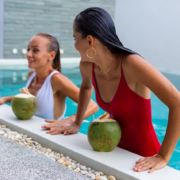
Two women relaxing in a swimming pool holding fresh coconuts by the poolside.

How to Build an Eco Friendly Pool in Costa Rica

Building a swimming pool in Costa Rica is a dream for many homeowners and property investors. The warm tropical climate makes pools a perfect addition to any home or vacation property. However, traditional pools often require large amounts of electricity, chemicals, and water. That is why more people are now choosing to build an eco friendly pool in Costa Rica instead of a standard design.

An eco pool is designed to work in harmony with nature. It reduces environmental impact, lowers long term costs, and fits perfectly with Costa Rica’s commitment to sustainability. This guide explains in simple and clear language how to plan, design, and construct an environmentally friendly swimming pool that works well in tropical conditions.

What Is an Eco Friendly Pool

An eco friendly pool Costa Rica homeowners choose is a pool that uses less energy, fewer chemicals, and more natural resources. Instead of relying on heavy equipment and harsh treatments, an eco pool focuses on smart design and efficient systems.

The goal of sustainable pool construction Costa Rica projects is to create a pool that stays clean and functional while using the least amount of electricity and water possible. This type of pool is healthier for people, better for the environment, and more affordable to maintain in the long run.

Eco pools can be modern, beautiful, and luxurious while still protecting nature.

Why Build a Sustainable Pool in Costa Rica

Costa Rica is known worldwide for its environmental responsibility. Building an eco friendly pool fits perfectly with this national culture of protecting nature.

The tropical climate makes pools very popular, but it also creates challenges. High temperatures increase water evaporation, and strong sunlight raises energy costs. A normal pool can quickly become expensive and wasteful.

Choosing green pool design Costa Rica methods helps solve these problems. Sustainable systems reduce electricity use, save water, and avoid harmful chemicals that can damage local ecosystems.

For homeowners who care about the environment, an eco pool is the most responsible choice.

Planning Your Eco Pool Design

Good planning is the first step in building a successful eco friendly swimming pool. The design phase determines how efficient and sustainable the pool will be for many years.

Before starting construction, it is important to think about pool size, location, materials, and filtration methods. A well planned pool can naturally stay cooler, cleaner, and easier to maintain.

Working with eco pool builders Costa Rica professionals ensures that the project is designed specifically for local climate conditions. Experts can help choose the best options for energy saving pool pumps, filtration systems, and landscaping.

Smart planning is the foundation of every natural pool construction Costa Rica project.

Choosing the Right Location for the Pool

Where you place the pool on your property has a big impact on its efficiency. Proper location can reduce energy use and maintenance needs.

Try to position the pool where it receives some natural shade during parts of the day. This reduces heat buildup and lowers evaporation. Avoid areas with heavy wind that can blow dirt and leaves into the water.

A good location also allows easy installation of solar pool heating systems and natural drainage. These small decisions make the pool more sustainable from the very beginning.

Location choice is one of the most important parts of sustainable pool design for tropical climate conditions.

Best Materials for Eco Friendly Pools

The materials used in pool construction play a major role in environmental impact. Traditional pools often use materials that are not sustainable or energy efficient.

For an eco friendly pool, it is better to choose natural and long lasting materials such as

• stone
• natural tiles
• responsibly sourced wood

These materials blend well with tropical surroundings and require less maintenance.

Using sustainable pool materials also helps the pool last longer, which reduces the need for repairs and replacements. Durable materials mean fewer resources are wasted over time.

Choosing the right materials is a key step in building an energy efficient pool Costa Rica homeowners can enjoy for decades.

Eco Friendly Pool Filtration Options

Filtration is one of the most important systems in any pool. Traditional pools depend on strong chemicals and powerful pumps to keep water clean. An eco friendly pool filtration system works in a more natural way.

There are several modern options available that reduce chemical use. Saltwater pool systems are a popular choice because they need fewer harsh treatments. Natural filtration systems use plants and biological filters to clean water naturally.

These methods create a healthier swimming environment and protect local wildlife and soil from chemical contamination.

Selecting the best eco pool filtration systems is essential for long term sustainability.

Energy Saving Equipment for Pools

Electricity use is one of the biggest expenses in pool ownership. Standard pumps and heaters consume large amounts of power. An eco friendly pool uses energy saving pool pumps and smart technology to reduce this consumption.

Some important energy saving options include

• variable speed pumps
• solar pool heating systems
• energy efficient lighting
• smart pool automation systems

Variable speed pumps are much more efficient than traditional models. They adjust their power based on real needs instead of running at full speed all the time.

Solar pool heating systems are another excellent option in Costa Rica. Because the country receives strong sunlight all year, solar energy can heat pools almost for free.

Using these systems helps reduce pool energy costs and makes the pool far more environmentally friendly.

Water Conservation in Pool Design

Saving water is extremely important in tropical regions. Even though Costa Rica receives heavy rain, dry seasons can still create water shortages.

Water conservation pool design focuses on reducing evaporation and waste. Using pool covers, installing efficient circulation systems, and choosing the right size pool all help save large amounts of water.

Another smart solution is rainwater harvesting for pools. Collecting and reusing rainwater for pool refills reduces dependence on municipal water supplies.

These methods make the pool more sustainable and lower monthly expenses.

Natural Swimming Pool Options

Some homeowners prefer to go even further and choose a natural swimming pool design. These pools do not rely on chemicals at all. Instead, they use plants and biological systems to keep water clean.

Natural pools look more like small lakes or lagoons. They blend beautifully with Costa Rica’s landscape and create a very peaceful atmosphere.

While they require careful planning and professional design, they are one of the most environmentally friendly swimming pool options available.

For people who want a truly green lifestyle, natural pools are an excellent choice.

Landscaping for an Eco Pool

The area around the pool is just as important as the pool itself. Good tropical pool landscaping can improve shade, reduce heat, and help keep water clean.

Planting native trees and plants around the pool provides natural cooling and prevents soil erosion. Local plants also need less water and maintenance than imported species.

A well designed landscape can even act as part of the filtration system by absorbing excess water and preventing runoff.

Eco friendly landscaping completes the overall sustainable pool experience.

Reducing Chemical Use in Pools

Traditional pools depend on chlorine and other strong chemicals. These substances can irritate skin, damage the environment, and create unpleasant odors.

Eco pools focus on chemical free pool options or at least on reducing chemicals as much as possible. Saltwater systems, mineral filters, and natural cleaning methods are safer alternatives.

Using fewer chemicals is healthier for swimmers and better for surrounding plants and animals.

Learning how to save water in swimming pools and reduce chemicals at the same time creates a truly sustainable system.

Low Maintenance Pool Solutions

Many people believe eco pools are difficult to maintain, but the opposite is often true. A well designed low maintenance pool Costa Rica homeowners choose can actually require less work than a traditional pool.

Energy efficient equipment, smart filtration, and good landscaping reduce the need for constant cleaning and repairs.

Automation systems can also monitor water quality and pump performance, making maintenance simple and stress free.

Eco friendly pool maintenance tips help keep the pool clean with minimal effort.

Cost of Building an Eco Friendly Pool

The cost of building eco pool in Costa Rica depends on size, materials, and technology used. While the initial investment may sometimes be slightly higher, the long term savings are significant.

Lower electricity bills, reduced chemical purchases, and less water waste quickly balance the initial expense. Over time, an eco pool is usually more affordable than a traditional one.

There are also budget friendly eco pool Costa Rica options for homeowners who want sustainability without a large budget.

Smart choices during planning help control costs while still protecting the environment.

Working With Professional Eco Pool Builders

Building a sustainable pool requires knowledge and experience. Working with best eco friendly pool builders Costa Rica professionals ensures that the project is done correctly.

Experts understand local regulations, climate conditions, and the best materials for tropical environments. They can provide expert eco pool construction Costa Rica services from design to final installation.

Professional guidance helps avoid expensive mistakes and ensures that the pool truly meets environmental goals.

Getting expert advice for eco friendly pools is one of the smartest decisions a homeowner can make.

Long Term Benefits of Eco Friendly Pools

An eco pool offers many advantages beyond just helping the environment. It creates a healthier swimming experience, lowers monthly costs, and increases property value.

Sustainable pools are attractive to renters and buyers who care about green living. They also fit perfectly with Costa Rica’s image as an eco conscious destination.

Choosing top eco friendly pool designs means enjoying luxury and comfort while still protecting nature.

Building an eco pool is not only a smart decision for today, but also for the future.

Final Thoughts on Building an Eco Pool

Building a pool in Costa Rica is a wonderful investment, and doing it in an eco friendly way makes it even better. With proper planning, smart materials, and efficient systems, any homeowner can create a beautiful and responsible pool.

By following sustainable pool construction Costa Rica principles, it is possible to enjoy crystal clear water, low energy bills, and peace of mind at the same time.

An eco friendly pool is more than just a swimming area. It is a long term commitment to protecting nature while enjoying the best of tropical living.

Conclusion

Building a swimming pool in Costa Rica is an exciting project, but doing it in a responsible way is even more important. Choosing to build an eco friendly pool in Costa Rica allows homeowners to enjoy all the benefits of a private pool while protecting the environment at the same time.

An eco pool uses smart design, energy efficient equipment, and natural systems to reduce electricity use, water waste, and harmful chemicals. These choices not only help nature but also lower long term costs and make pool ownership easier.

With proper planning and professional guidance, anyone can create a beautiful and sustainable swimming pool that works perfectly in the tropical climate. An environmentally friendly swimming pool is truly the best option for modern homes in Costa Rica.

Why Choose Us for Eco Friendly Pool Construction

Creating a sustainable pool requires experience, local knowledge, and a deep understanding of Costa Rica’s climate. We specialize in designing and building pools that are efficient, durable, and environmentally responsible.

Here are the main reasons to choose our services

• Expert knowledge of eco friendly pool Costa Rica design
• Proven experience in sustainable pool construction Costa Rica
• Use of high quality sustainable pool materials
• Installation of energy saving pool pumps and systems
• Customized designs for tropical climate conditions
• Professional advice on eco friendly pool filtration
• Long term support and maintenance guidance
• Focus on water conservation pool design
• Honest pricing and budget friendly eco pool options
• Commitment to protecting the environment

We work closely with every client to make sure their pool is beautiful, functional, and truly eco friendly from start to finish.

Frequently Asked Questions

What makes a pool eco friendly?

A pool becomes eco friendly when it uses less electricity, fewer chemicals, and smart water saving systems. Energy efficient equipment and natural filtration methods are key parts of green pool design Costa Rica projects.

How can I reduce energy use in my pool?

You can reduce energy use by installing energy saving pool pumps, using solar pool heating systems, and choosing efficient lighting and circulation equipment.

Are eco friendly pools more expensive to build?

The cost of building eco pool in Costa Rica can sometimes be slightly higher at the beginning, but long term savings on electricity, water, and chemicals usually make it more affordable over time.

What is the best filtration system for an eco pool?

Eco friendly pool filtration systems such as saltwater systems, mineral filters, and natural biological filters are excellent options for reducing chemical use.

Can I heat my pool without electricity?

Yes. Solar pool heating systems work very well in Costa Rica because of the strong year round sunlight and are one of the best eco friendly heating options.

How do natural swimming pools work?

Natural swimming pool design uses plants and biological filters instead of chemicals to keep water clean and safe for swimming.

What materials are best for eco pools?

Using sustainable pool materials such as natural stone, durable tiles, and responsibly sourced finishes helps reduce environmental impact and increases pool lifespan.

How can I save water in my pool?

Water conservation pool design methods include using pool covers, efficient circulation systems, proper sizing, and rainwater harvesting for pools.

Are eco pools hard to maintain?

No. A well planned low maintenance pool Costa Rica design often requires less work than a traditional pool because of smart systems and natural filtration.

Who should build my eco friendly pool?

It is best to work with experienced eco pool builders Costa Rica professionals who understand local climate conditions and sustainable construction methods.

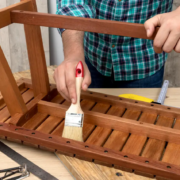
Carpenter applying varnish with a brush while assembling a wooden furniture piece.

How to Maintain Wooden Furniture in Costa Rica’s Climate

Wooden furniture adds beauty, warmth, and natural elegance to any home. In Costa Rica, many homes and vacation properties are filled with beautiful wood pieces made from teak, cedar, Guanacaste, and other tropical hardwoods. However, the tropical environment can be challenging for wood. High humidity, strong sunlight, salty air near the coast, and heavy rainy seasons all affect furniture over time. That is why it is very important to understand how to maintain wooden furniture in Costa Rica so that it remains strong and attractive for many years.

Proper care does not need to be complicated. With the right knowledge and regular attention, anyone can keep their furniture in excellent condition. This guide explains in simple language everything you need to know about wooden furniture care Costa Rica homeowners should follow.

Why Wooden Furniture Needs Special Care in Costa Rica

The climate in Costa Rica is very different from dry or cold countries. The combination of heat and moisture can slowly damage wood if it is not protected. Many people move to Costa Rica and quickly realize that furniture maintenance in humid weather requires more attention than they expected.

Wood is a natural material that reacts to its environment. When the air is very humid, wood can absorb moisture and expand. When the air becomes drier, the wood can shrink again. These constant changes may cause cracks, warping, or loose joints. Because of this, caring for wooden furniture in tropical climate conditions is essential for every home.

Understanding these environmental effects is the first step in learning how to protect wood furniture in humid climate areas.

Common Problems That Affect Wooden Furniture

Before learning how to care for furniture, it helps to know what kinds of damage can happen. The most common issues that occur with Costa Rica wood furniture maintenance include humidity problems, mold growth, insects, and sun damage.

Humidity and wooden furniture do not always work well together. Excess moisture can lead to swelling and bending of wood pieces. In coastal areas, salty air can also slowly wear down finishes.

Another frequent problem is mold on wooden furniture. Because Costa Rica has long rainy seasons, damp surfaces can quickly develop mold or mildew if they are not cleaned and aired out regularly.

Termites and other insects are also a serious concern. Without proper termite protection for wood furniture, pests can quietly damage wood from the inside.

Strong tropical sunlight is another enemy of wood. Direct sun can fade colors and dry out surfaces, leading to cracks. Learning how to prevent wood damage in Costa Rica means paying attention to all these risks.

Basic Daily Habits for Wood Furniture Maintenance

The best way to protect furniture is through simple daily habits. Small actions done regularly can prevent big problems later.

Keep rooms well ventilated so air can circulate. Good airflow reduces moisture buildup and helps prevent mold on wooden furniture.

Wipe surfaces gently with a soft cloth to remove dust. Dust can trap moisture and slowly harm the finish.

Avoid placing hot or wet items directly on wood. Always use coasters, mats, or protective pads.

These small routines are the foundation of wood furniture maintenance Costa Rica homeowners should practice.

Best Way to Clean Wooden Furniture

Cleaning is one of the most important parts of tropical wood furniture care. Many people damage their furniture by using the wrong products.

Use a soft, slightly damp cloth to clean surfaces. Harsh chemicals should be avoided because they can remove natural oils from the wood. Mild soap mixed with water is usually enough for regular cleaning.

The best way to clean wooden furniture in tropical areas is to clean gently and often instead of using strong cleaners occasionally.

For deeper cleaning, natural products such as diluted vinegar or special wood cleaners can be used. Always dry the surface after cleaning to prevent moisture from soaking in.

Wood furniture cleaning tips like these help keep pieces looking fresh without causing damage.

Protecting Furniture From Humidity

Humidity is the biggest challenge in Costa Rica. Learning how to protect wooden furniture from humidity is essential for long term care.

Inside the home, try to control moisture levels. Using fans or air conditioning during very humid days can help a lot. In very damp rooms, a dehumidifier can make a big difference.

Never push wooden furniture directly against wet walls. Leave a little space so air can move around the piece.

If you live near the beach, salty moisture in the air can be even stronger. In these areas, extra care and regular polishing are necessary.

These steps are key to prevent moisture damage to wood and keep it strong for years.

How to Prevent Mold and Mildew

Mold is very common in tropical climates, especially during the rainy season. Knowing how to stop mold on wooden furniture in Costa Rica can save a lot of stress.

Regular cleaning and ventilation are the first defense. Wipe furniture frequently and keep windows open when possible.

If mold spots appear, clean them quickly with a mixture of water and mild vinegar. Dry the area completely afterward.

Avoid storing furniture in dark and closed rooms for long periods. Sunlight and airflow naturally reduce mold growth.

Taking these actions helps maintain wooden furniture in Costa Rica even during the wettest months.

Termite and Insect Protection

In tropical countries, insects are a serious threat to wood. Learning how to prevent termites in wooden furniture should be a priority for every homeowner.

Here are some important protective actions

  • Use wood that has been properly treated against insects
  •  Apply protective sealants and finishes
  •  Inspect furniture regularly for small holes or dust
  •  Avoid placing furniture directly on soil or damp floors

Professional termite treatments can also be applied to homes as extra protection. Without these steps, pests can quietly destroy valuable pieces.

Termite protection for wood furniture is especially important for outdoor items and older antiques.

Caring for Outdoor Wooden Furniture

Outdoor furniture needs even more attention than indoor pieces. Rain, sun, and humidity hit these items every day. Many people ask how to protect outdoor wooden furniture in Costa Rica.

Outdoor pieces should be made from strong tropical woods such as teak or cedar. These woods naturally resist moisture better.

Regular oiling and sealing are necessary. Covers should be used during heavy rain or when furniture is not being used.

Tips to maintain wooden furniture near the beach include washing off salty air residue and keeping items shaded whenever possible.

Proper outdoor care greatly increases the wooden furniture lifespan.

Protection From Sun Damage

The Costa Rican sun is powerful and can quickly fade or dry out wood. Sun damage to wooden furniture is very common in open living spaces and terraces.

Avoid placing furniture directly under strong sunlight for long hours. Use curtains, blinds, or outdoor roofs to provide shade.

Polishing wood with natural oils helps replace moisture that the sun removes. This is one of the top methods to protect wooden furniture from cracking.

Wood cracking prevention often depends on balancing sun exposure with proper moisturizing products.

Special Care for Teak and Tropical Woods

Many homes in Costa Rica use teak furniture because it is naturally strong and beautiful. However, even teak needs attention. People often ask how to care for teak furniture in Costa Rica.

Teak should be cleaned gently and oiled regularly to maintain its rich color. Without oil, teak will slowly turn gray. Some people like this natural look, while others prefer to keep the warm golden tone.

Other local woods also need periodic polishing and sealing. Expert tips for wooden furniture care always include choosing the right product for each type of wood.

Using the best wood polish for tropical climate conditions helps keep furniture looking new.

Preparing Furniture for the Rainy Season

Costa Rica has long rainy periods that can be hard on furniture. Learning how to keep wood furniture safe in rainy season is very important.

Before the rains begin, inspect all furniture for weak spots. Apply fresh protective coatings and make sure surfaces are sealed.

Move outdoor furniture to covered areas when possible. For indoor pieces, increase ventilation and clean more often.

These seasonal actions help avoid wood rot in humid climates and keep items protected year after year.

Budget Friendly Ways to Maintain Furniture

Many people believe furniture care is expensive, but there are many budget friendly wooden furniture maintenance methods.

  • Regular dusting and cleaning cost almost nothing
  •  Natural oils such as coconut oil can be used for polishing
  •  Simple ventilation prevents major problems
  •  Using coasters and cloth covers protects surfaces

These budget friendly ways to protect wood furniture prove that good care does not always require costly products.

Following these habits is truly the best way to maintain wooden furniture in Costa Rica without spending too much money.

Choosing the Right Products for Maintenance

Selecting proper products is an important part of maintenance. Using the wrong cleaner or polish can do more harm than good.

Look for gentle wood soaps, natural oils, and high quality sealants. Avoid strong chemical sprays that are not designed for wood.

Many experts recommend wax based or oil based polishes because they nourish the wood while adding protection.

Getting expert advice on wood furniture maintenance from local professionals can help you choose the safest options for your specific pieces.

When Professional Help Is Needed

Sometimes furniture needs more than basic home care. Deep stains, serious mold, insect damage, or large cracks may require professional attention.

An expert furniture care in humid climate specialist can sand, refinish, or repair damaged pieces and make them look new again.

For valuable antiques or custom made items, professional maintenance is often the safest choice.

Using top furniture protection tips Costa Rica specialists recommend will extend the life of expensive wooden items.

Building Long Term Habits for Lasting Furniture

Maintaining furniture is not a one time job. It is a long term routine. The best way to maintain wooden furniture in Costa Rica is to create simple habits and follow them consistently.

  • Clean gently and regularly
  •  Protect from sun and rain
  •  Control indoor humidity
  • Polish and seal when needed
  •  Inspect for insects and mold

These actions together form a complete system of tropical wood furniture care.

With patience and regular attention, any homeowner can enjoy beautiful, strong, and healthy furniture for decades. Proper care truly makes all the difference.

Conclusion

Taking care of wooden furniture in Costa Rica is not difficult when you understand the climate and the needs of natural wood. The combination of heat, humidity, rain, insects, and strong sunlight can slowly affect furniture, but regular attention and simple habits can prevent most problems.

Learning how to maintain wooden furniture in Costa Rica helps protect your investment and keeps your home beautiful. Cleaning gently, controlling moisture, protecting from sun, and checking for insects are the main steps every homeowner should follow.

Whether you live near the beach or in the mountains, proper wooden furniture care Costa Rica homeowners practice will always make a big difference. With the right routine, your furniture can stay strong, attractive, and functional for many years.

Why Choose Us for Wooden Furniture Care and Maintenance

Taking care of wooden furniture in a tropical climate requires experience and local knowledge. We understand the specific challenges that Costa Rica homes face every day. Our team provides practical and reliable solutions for every type of wooden furniture.

Here are the main reasons to choose our service

• Expert understanding of Costa Rica climate conditions
• Professional knowledge of tropical wood types
• Safe and proven cleaning methods
• Long term protection solutions
• Advice tailored to coastal and inland homes
• Affordable and budget friendly maintenance options
• Reliable and honest recommendations
• Help with mold, humidity, and insect problems
• Quality products designed for humid climates

We focus on giving simple and effective solutions so that every customer can enjoy beautiful and long lasting furniture without stress.

Frequently Asked Questions

What is the best way to maintain wooden furniture in Costa Rica?

The best way is regular cleaning, good ventilation, protection from direct sun, and using proper wood polish. These simple steps help prevent moisture damage to wood and keep it in good condition.

How can I protect wooden furniture from humidity?

You can protect furniture by keeping rooms well ventilated, using fans or dehumidifiers, and avoiding placing furniture against damp walls. These actions help reduce the effect of humidity and wooden furniture problems.

How often should I clean my wooden furniture?

Light cleaning should be done weekly, and deeper cleaning once a month. Regular dusting and wiping prevent dirt buildup and help in furniture maintenance in humid weather.

What should I use to clean wooden furniture?

Use a soft cloth with mild soap and water. Avoid strong chemicals. The best way to clean wooden furniture in tropical areas is gentle and frequent cleaning with safe products.

How can I stop mold on wooden furniture in Costa Rica?

Good airflow, regular cleaning, and quick drying are the best methods. If mold appears, clean it immediately with mild vinegar and dry the surface completely.

How do I prevent termites in wooden furniture?

Use treated wood, apply protective sealants, inspect furniture regularly, and avoid placing wood directly on damp floors. These steps provide effective termite protection for wood furniture.

How can I protect outdoor wooden furniture?

Outdoor furniture should be sealed, oiled regularly, and kept under shade when possible. Using covers during heavy rain is one of the top methods to protect wooden furniture outdoors.

What is the best wood polish for tropical climate?

Natural oil based polishes and wax based products work best in humid climates. They help keep wood moisturized and prevent cracking and fading.

How do I care for teak furniture in Costa Rica?

Teak furniture should be cleaned gently and oiled regularly to keep its color and strength. Proper care greatly improves the wooden furniture lifespan.

Is wooden furniture hard to maintain in Costa Rica?

Not at all. With simple habits and regular attention, maintaining wood furniture is easy. Following expert tips for wooden furniture care makes the process simple and stress free.

Retirement Home Building Tips in Costa Rica | Expert Guide

Retirement Home Building Tips in Costa Rica (Expert 2025 Guide)

Retirement Home Building Tips are often the first thing people search for when thinking about retiring in Costa Rica. Many expats reach a moment perhaps during a warm Pacific sunset or a peaceful morning in the Central Valley when the idea of a vacation transforms into something deeper. The thought becomes a plan: What if I built my retirement home here? This is often when people want to better understand what the process truly involves.

It’s an exciting vision, but building a home in Costa Rica involves unique factors that differ from construction in the U.S. or Europe. Climate, laws, culture, and geography all influence the process. Still, thousands of retirees successfully build beautiful homes every year. With the right guidance and information, your retirement home can become the comfortable, personal sanctuary you’ve always imagined.

Choosing the Right Land for Your Retirement:Home Building Tips That Matter

Everything begins with the land. In Costa Rica, selecting the right lot is more complex than it may seem. A breathtaking ocean-view property may lack legal water access, a clean title, or the correct zoning for construction. These issues can create major delays and unexpected costs for retirees who are not familiar with local requirements.

Land due diligence is crucial. Before purchasing, it’s important to confirm water availability, review legal boundaries, investigate zoning permissions, and understand any environmental restrictions. Working with skilled builders who know the local systems and processes ensures you avoid the most common mistakes. At Finish Touch Enterprises, we help clients evaluate land thoroughly before any design stage begins, giving them confidence and clarity from day one.

Designing a Home that Fits Your Retirement Lifestyle

After securing a lot, the next step is creating a design that supports how you want to live in retirement. One of the most practical Retirement Home Building Tips is prioritizing comfort over trends, as thoughtful planning can make a home both beautiful and practical for years ahead. Many retirees prefer single-level living to avoid stairs, wider doorways for accessibility, open layouts that connect indoor and outdoor spaces, and shaded terraces for enjoying Costa Rica’s climate.

Your home’s region will also influence the design. Coastal areas require finishes that resist salt exposure, while hot regions like Guanacaste benefit from deep roof overhangs and strong cross-ventilation both important Retirement Home Building Tips for long-term comfort and durability. Mountain homes need features that help regulate humidity and temperature changes. When the design reflects both your lifestyle and the local climate, the result is a home that stays comfortable, functional, and low-maintenance.

Integrating Outdoor Living into Your Daily Life

Outdoor living is a defining part of the Costa Rican experience. Terraces, gardens, and pools become natural extensions of the home rather than separate features. Planning these spaces early helps create a balanced flow between indoors and outdoors, allowing you to enjoy Costa Rica’s natural beauty every day.

Retirees often choose to incorporate comfortable shaded seating areas, outdoor dining spaces, relaxing pool designs, and landscaping that enhances privacy while cooling the surrounding environment. When these elements are designed alongside the home itself, the result is a space that feels harmonious and deeply connected to its surroundings.

Understanding Permits and Construction Requirements for Retirement Home Building

Building a retirement home in Costa Rica involves navigating permits, municipal approvals, and environmental regulations. For newcomers, this process can feel confusing and time-consuming. Depending on the location, you may need environmental studies, water letters, zoning confirmations, and detailed architectural approvals before construction begins.

Working with a builder who manages this process internally makes a significant difference. At Finish Touch Enterprises, our turnkey service includes design, engineering, permitting, and construction, which streamlines the timeline and reduces stress for retireesespecially those living abroad during the build. Although bureaucracy can be slow, having an experienced team ensures that every requirement is handled properly and efficiently.

Preparing for Unexpected Changes During Construction

Even with careful planning, building in Costa Rica can present surprises. Rainy season delays, material substitutions, and minor budget adjustments are normal occurrences. These challenges are familiar to experienced builders, who plan for contingencies and communicate openly with clients to avoid misunderstandings.

For retirees building from abroad, consistent communication is essential. A reliable construction partner keeps you updated with progress photos, timeline adjustments, and transparent insights throughout the process. This type of trust is one of the most valuable elements of a successful retirement build.

Considering the Investment Potential of Your Retirement Home

Many retirees build primarily for their own enjoyment, but Costa Rica’s strong tourism market means your retirement home can also be a valuable investment. Homes with thoughtfully designed outdoor spaces, additional bedrooms, or appealing features like pools often perform very well as vacation rentals.

Designing your home with rental flexibility in mind doesn’t mean compromising your lifestyle. Instead, it can enhance long-term value, allowing the property to generate income during periods when you are traveling or living elsewhere. By planning for both comfort and potential returns, your home becomes both a personal retreat and a smart financial asset.

Why Finish Touch Enterprises Is the Right Partner for Retirees

While many builders in Costa Rica can complete a construction project, few offer a fully integrated experience that simplifies every step of the journey. Finish Touch Enterprises handles land evaluation, custom design, engineering, permitting, construction, and final finishes through one coordinated team.

With more than 40 years of experience working with retirees and expats, we understand the concerns, priorities, and expectations of clients building from abroad. Our commitment to quality, communication, and transparency ensures that your retirement home reflects your vision and supports the peaceful lifestyle you’re seeking in Costa Rica.

Frequently Asked Questions

How much does it cost to build a retirement home in Costa Rica?
Construction costs vary by region, materials, and home size. Most high-quality builds range between $1,000 and $1,700 per square meter.

Is it better to buy or build for retirement in Costa Rica?
Buying is faster, but building allows you to customize the home to your lifestyle, accessibility needs, and design preferences.

How long does construction typically take?
Most projects take between 10 and 14 months, depending on land preparation, permit timelines, and seasonal weather conditions.

Can foreigners legally own property in Costa Rica?
Yes. Foreigners have the same property rights as Costa Ricans, except when buying land within designated maritime zones.

Do I need to be in Costa Rica during construction?
No. Many retirees build remotely with the support of a trustworthy builder who provides regular updates and transparent communication.

Which regions are best for retirement homes?
Popular areas include Guanacaste for warm beaches, the Central Valley for cooler climates and convenience, and the Southern Zone for privacy and natural beauty.

Ready to Begin Your Retirement Home Journey?

Retirement is a chance to choose the lifestyle you truly want. If Costa Rica feels like the place where life slows down and every day feels rich with possibility, then now is the perfect time to start planning your dream home. Finish Touch Enterprises is here to guide you from the first land evaluation to the moment your new home is ready for you.

Contact us today to start building your retirement home in Costa Rica.

Best Retirement House Builders in Costa Rica

How to Choose the Best Retirement House Builders in Costa Rica

It starts as a daydream. You’re sitting on a shaded terrace, maybe watching the Pacific waves, maybe listening to the quiet of the hills inland, and the thought drifts in: this could be home. Not just a vacation spot, not a rental, but the place you’ll retire.

For many, Costa Rica feels like the ideal setting for that next chapter—stable, welcoming, and filled with the kind of natural beauty that makes slowing down feel natural. But then comes the harder question: how do you find the right team to build that home? After all, retiring here isn’t just about buying any house. It’s about choosing the best retirement house builders who can shape a home that matches your vision, your comfort, and your future.

Why Retirement Homes in Costa Rica Are Unique

Building a retirement home isn’t the same as building a family villa or a vacation rental. The priorities shift. Comfort, accessibility, low maintenance, and community often matter more than sheer size.

The best retirement house builders understand that. They don’t just design for beauty; they design for practicality. Homes that are easy to navigate. Spaces that feel welcoming, whether it’s just you or visiting family. Terraces and gardens that invite long mornings with coffee.

👉 See how our custom home designs in Costa Rica adapt to different lifestyles, including retirement living.

The Importance of Trust

Let’s be honest: building in another country can feel intimidating. There’s land to evaluate, paperwork to file, and construction to manage. And many retirees aren’t here year-round while the house is being built.

That’s why trust becomes central. The best retirement house builders aren’t just skilled with design—they’re reliable communicators. They keep you updated with photos, reports, and clear budgeting. They make sure you’re not left wondering what’s happening thousands of miles away.

Finish Touch Enterprises, for example, has spent more than 40 years building that kind of trust. They guide clients step by step, whether it’s checking that a lot has water rights or making sure permits don’t stall halfway through.

👉 Discover how we support clients building in Costa Rica with confidence.

Step 1: Choosing the Right Land

The journey always starts here. That ocean-view lot may look perfect, but does it have a clear title? Can it legally support construction? Is there road and utility access?

Many first-time buyers don’t know what to ask. The best retirement house builders step in early, often helping clients avoid costly mistakes. They’ll verify zoning, evaluate slope stability, and confirm that everything aligns before design even begins.

Step 2: Designing for Lifestyle and Longevity

Design isn’t just about taste—it’s about how you’ll actually live here. Maybe that means a single-level layout with fewer stairs. Maybe wide hallways, shaded outdoor spaces, or a guest suite for family visits.

Some retirees want simplicity, others dream of a pool and an outdoor kitchen. The key is flexibility. Experienced builders adapt. In Guanacaste, for instance, wide rooflines and open floor plans help homes stay cool. In the Central Valley, perhaps natural stone and courtyards fit better.

Best retirement house builders don’t just deliver blueprints. They listen, adjust, and refine until the design feels like a reflection of you.

👉 Learn more about our step-by-step turnkey construction services that handle everything from design to finishing touches.

Step 3: Handling Permits and Paperwork

Here’s the part most people underestimate: bureaucracy. Municipal permits, environmental studies, and utility approvals can stretch into months if mismanaged.

That’s why retirees, especially, need builders who understand the process. The best retirement house builders manage paperwork directly, keeping projects legal and on schedule. It’s not glamorous, but it’s essential.

Step 4: Construction and Craftsmanship

Once the groundwork is done, the real excitement begins. Walls rise, roofs take shape, and the home starts to feel tangible.

But construction here has its quirks. Rainy season slows progress. Material availability can shift. The difference lies in management. Builders who keep most services in-house—like Finish Touch with their own woodshop for custom cabinetry and furniture—can adapt quickly and keep quality consistent.

For retirees, this means peace of mind. You’re not juggling contractors or worrying if details will be missed.

Modern Comfort or Traditional Charm?

Costa Rica offers room for both. Some retirees prefer sleek, modern villas with glass walls and infinity pools. Others want traditional homes with clay-tile roofs and shaded verandas.

Often, the best results mix the two. A contemporary kitchen opening into a rustic terrace. A modern pool framed by traditional stonework. The best retirement house builders understand that balance—it’s not about imposing one style but shaping a home that feels right for you.

👉 Browse examples of home designs in Guanacaste that merge modern comfort with local character.

Outdoor Living as a Priority

One of Costa Rica’s greatest gifts is its climate. Evenings are warm and breezy, mornings filled with light. Outdoor living is part of daily life here.

That’s why retirement homes often emphasize patios, gardens, and pools. The best retirement house builders design outdoor spaces as extensions of the home, not extras. A shaded terrace can feel as important as a living room. A pool might be both luxury and therapy.

👉 See how our pool design and construction services create spaces that bring indoor and outdoor living together.

Investment and Long-Term Value

Retirement homes here aren’t only for personal use. Many retirees rent their homes when traveling or after deciding to downsize later. A well-designed house, especially in popular areas like Guanacaste, can become a strong investment.

The best retirement house builders keep that in mind. They design spaces that work for you now but also appeal to future buyers or guests.

Realities Worth Noting

No construction is flawless. Timelines stretch, budgets shift, and rain interrupts. Retirees, especially, need to plan for that.

But choosing experienced builders makes the process smoother. Instead of surprises derailing progress, challenges are managed, communicated, and resolved.

Why Finish Touch?

Plenty of companies build houses. Fewer manage the entire journey—from land evaluation to engineering, permits, construction, and finishing. That integration is what makes Finish Touch Enterprises stand out among the best retirement house builders.

For retirees, it means less stress, fewer moving parts, and more confidence. You’re not piecing together five different contractors. You’re trusting one team that handles it all.

Conclusion: Retirement, Reimagined

Retirement isn’t about slowing down—it’s about choosing how you want to live. For some, that’s a quiet villa surrounded by hills. For others, it’s a modern home with ocean views and space for visiting family.

The key is finding the best retirement house builders who can translate that vision into reality. Builders who know the land, respect the culture, and guide you through every step.

If you’ve been imagining Costa Rica as the place for your next chapter, maybe the first move isn’t buying a ticket—it’s starting a conversation. The right team can take it from there, one step at a time, until the day you’re holding keys to a home that feels entirely yours.

retirees choose to build homes in Costa Rica

Top Reasons Retirees Are Building Homes in Costa Rica

Costa Rica has long been a favorite destination for retirees seeking a peaceful, tropical lifestyle without the high costs of North American or European living. With its exceptional healthcare, thriving expat community, stunning natural beauty, and pura vida lifestyle, it’s no wonder Costa Rica ranks as one of the best places to retire abroad.

In this guide, we’ll walk you through the process of retiring in Costa Rica, covering everything from residency options and the cost of living to healthcare, taxes, and the best regions to live.

Residency & Visa Options: How to Become a Legal Resident

Costa Rica offers various residency options for retirees, with the Pensionado Visa being the most popular.

Pensionado Visa (Retired Persons Residency)

This visa is designed for retirees who receive a guaranteed monthly income, such as a pension or Social Security benefits. To qualify for this visa:

  • You must prove you receive a guaranteed monthly income.
  • This income must be from a foreign source (e.g., pensions, Social Security).
  • Once approved, you and your dependents can live in Costa Rica on a permanent basis.

Why It’s Great for Retirees: The Pensionado visa provides access to Costa Rica’s public healthcare system, allowing you to enjoy affordable medical services. Plus, the process is relatively straightforward for retirees who meet the income requirements.

Other Residency Options

  • Rentista Visa: For those who don’t have a pension, the Rentista visa requires proof of stable income or a sufficient deposit. This is a great option for individuals who are financially independent but not drawing regular retirement income.
  • Investor Visa: If you plan to invest in Costa Rica by purchasing real estate or starting a business, you can apply for an investor visa.

Cost of Living in Costa Rica: How Much Do You Need?

Costa Rica is known for its affordable living costs, but expenses can vary based on location and lifestyle. Here’s a breakdown of the typical costs for retirees:

Housing

  • Rent: Renting in Costa Rica is significantly cheaper than in North America. A one-bedroom apartment in the city may cost less, while beachfront rentals can range higher.
  • Buying Property: The cost of buying property varies greatly by location. In the Central Valley, you can find homes for lower amounts, while properties in coastal areas may cost more.

Healthcare

  • Public Healthcare (Caja): Costa Rica’s public healthcare system, known as Caja, is accessible to residents and retirees. Monthly premiums for Caja depend on income.
  • Private Health Insurance: Many retirees opt for private insurance to avoid waiting times. A private health plan offers comprehensive coverage.

Other Living Expenses

  • Groceries: A typical grocery bill for a single person is about average depending on your diet.
  • Utilities: Expect to pay for utilities like electricity, water, and internet, although this can vary based on usage.
  • Transportation: Costa Rica has a reliable public bus system, but many retirees prefer driving. Gas prices are relatively standard.

Tip: Retirees living in the Central Valley tend to have the lowest cost of living, while those in popular beach towns may experience higher expenses due to tourism.

Healthcare: Access to Quality Medical Services

Healthcare in Costa Rica is world-renowned for its quality and affordability, making it an ideal destination for retirees.

Public Healthcare (Caja)

  • All residents are required to register with Caja (the Costa Rican Social Security system). This grants access to affordable medical care, including doctor visits, hospital stays, and surgeries.
  • Cost: Public healthcare is very affordable. Expect to pay based on your income.
  • Quality: Costa Rica has several high-quality public hospitals and clinics, but wait times may be longer compared to private services.

Private Healthcare

  • Costa Rica also boasts top-tier private healthcare providers in cities like San JosĂ© and Liberia. Many doctors and specialists speak English, and the quality of care is comparable to North America.
  • Private Insurance: Many retirees opt for private insurance to ensure faster care and avoid wait times.

Best Places to Retire in Costa Rica: Where Should You Live?

Costa Rica offers a range of climates and environments for retirees. Whether you prefer beach life, cooler mountain air, or a more urban environment, there’s something for everyone.

Central Valley

  • Best for: Mild climate, proximity to medical facilities, lower cost of living.
  • Popular cities: San JosĂ©, EscazĂş, Atenas, Grecia.
  • Why retirees love it: The Central Valley offers a mild climate and access to modern amenities. It’s home to Costa Rica’s largest city, San JosĂ©, and a large expat community.

Guanacaste Coast

  • Best for: Beach lovers, active retirees, expat community.
  • Popular cities: Tamarindo, Playas del Coco, Nosara.
  • Why retirees love it: Guanacaste boasts beautiful beaches, great weather year-round, and a well-established expat community.

Southern Zone

  • Best for: Nature enthusiasts, retirees seeking a quieter life.
  • Popular cities: Dominical, Uvita, Ojochal.
  • Why retirees love it: The Southern Zone is a haven for nature lovers, offering lush rainforests, waterfalls, and wildlife. It’s less developed than other regions, providing a more tranquil lifestyle.

Taxes: What You Need to Know About Costa Rican Tax Laws

One of the most important considerations for retirees is understanding Costa Rica’s tax laws.

  • Income Tax: Costa Rica only taxes income generated within the country, so foreign income (like pensions and Social Security) is generally tax-free.
  • Property Tax: Costa Rica’s property tax is low, and it is calculated as a percentage of the property’s value per year.
  • Capital Gains Tax: If you sell property, there may be a capital gains tax on the profits, but exemptions may apply.

 Pros & Cons of Retiring in Costa Rica

Here’s a quick overview of the benefits and challenges of retiring in Costa Rica:

Pros:

  • Beautiful natural surroundings
  • Excellent healthcare system
  • Low cost of living
  • Warm weather year-round

Cons:

  • Bureaucracy can be slow
  • Limited availability of goods in rural areas
  • Property prices can be high in popular tourist destinations

Frequently Asked Questions (FAQs)

  1. Do I need a visa to retire in Costa Rica?
    Yes, you will need to apply for a residency visa, such as the Pensionado or Rentista visa, depending on your income.
  2. How much money do I need to retire in Costa Rica?
    To qualify for a Pensionado visa, you need to show a guaranteed monthly income. However, your overall retirement budget will depend on your lifestyle and location.
  3. Can I use my U.S. health insurance in Costa Rica?
    While some U.S. health insurance plans offer international coverage, most retirees in Costa Rica choose to enroll in the public Caja or purchase private insurance.

Conclusion: Start Planning Your Costa Rican Retirement Today

Costa Rica offers retirees an affordable, relaxed, and vibrant lifestyle with excellent healthcare and a supportive expat community. Whether you’re looking for a beachfront paradise, a mountain retreat, or a more urban setting, Costa Rica has something for everyone.

Ready to make your retirement dreams come true in Costa Rica? Contact us today to begin your journey!

Retirement Home Building Tips Costa Rica

Retirement Home Building Tips: Costa Rica Edition

Costa Rica is a top choice for retirees seeking an affordable, tropical paradise with a strong expat community, excellent healthcare, and a relaxed lifestyle. Building your own retirement home here allows you to tailor every detail to your needs, ensuring comfort and convenience in your golden years. In this guide, we’ll explore essential tips for building your dream retirement home in Costa Rica.

Key Considerations When Building a Retirement Home in Costa Rica

  1. Legal & Permit Requirements: What You Need to Know

Before you break ground on your retirement home, it’s crucial to understand Costa Rica’s legal and permit requirements. These include local building regulations, environmental studies, and paperwork that you’ll need to submit to the municipality.

Key Permit Steps:

  • Municipal Building Permits: You’ll need approval from the local municipality, including environmental permits if your property is in a protected zone.
  • Legal Advice: It’s highly recommended to consult with a local attorney to navigate zoning, ownership rights, and compliance with regulations.

Why It Matters: Navigating the permit process can be time-consuming, and failing to follow the correct procedures could delay your construction project.

  1. Choosing the Right Location: Factors to Consider

When building a retirement home in Costa Rica, location is everything. Whether you want to live near the beach or prefer the cooler, more temperate climate of the Central Valley, each region has unique advantages.

Top Locations for Retirement Homes:

  • Guanacaste (Beach lovers): Enjoy sunny weather year-round and easy access to beaches.
  • Central Valley (Mild climate): Offers cooler temperatures, proximity to the capital (San JosĂ©), and healthcare services.
  • Southern Zone (Nature lovers): Ideal for those who prefer more seclusion and nature.

Tip: Consider factors like proximity to healthcare facilities, accessibility, and community engagement before making your decision.

  1. Accessibility & Aging-in-Place Design

As we age, accessibility becomes an important factor in designing a comfortable home. Costa Rica’s climate makes outdoor living essential, so you’ll want to ensure your home is designed with ease of use in mind.

Accessibility Features to Include:

  • Single-Level Living: Avoid stairs to ensure safety and comfort.
  • Wide Doorways & Hallways: Accommodate wheelchairs or mobility aids.
  • Non-Slip Flooring: Essential for avoiding falls, especially in bathrooms and kitchens.

Tip: Work with an architect experienced in aging-in-place design to ensure your home is functional both now and in the future.

  1. Building Materials & Climate Considerations

Costa Rica’s tropical climate requires specific considerations when choosing building materials. High humidity and salty air (near coastal areas) can damage some materials, so it’s important to select durable options.

Recommended Materials:

  • Concrete & Steel: These are the most durable options for resisting both humidity and termites.
  • Local Wood: Look for treated hardwoods that are resistant to moisture and pests.
  • Metal Roofing: Metal is a great choice for Costa Rica’s heavy rains, as it resists corrosion and is more durable in the long run.

Tip: Always check with your contractor about locally available materials to reduce costs and ensure durability.

  1. Budgeting for Your Retirement Home in Costa Rica

One of the most important steps in the building process is setting a realistic budget. Costa Rica offers various options for building, but costs can vary based on location, design, and materials.

Estimated Costs:

  • Basic Build (per square meter): $800 – $1,500 depending on location and quality of finishes.
  • Luxury Finishes: High-end finishes and custom designs can increase costs to $1,800+ per square meter.

Tip: Plan for unexpected costs, such as permit delays, landscaping, and utility hookups. Always leave room in your budget for contingencies.

What Most People Get Wrong When Building in Costa Rica

Building in Costa Rica is exciting, but it’s essential to avoid common pitfalls:

  • Skipping Zoning & Legal Due Diligence: Make sure the land is buildable, especially in rural or coastal areas.
  • Ignoring the Rainy Season: Start construction in the dry season to avoid delays.
  • Underestimating Maintenance Needs: Coastal homes may need more frequent repairs due to saltwater exposure.

Tip: Work closely with local contractors and legal experts to ensure your project runs smoothly from start to finish.

  1. Design Tips for Your Retirement Home

The design of your retirement home should prioritize comfort and ease. Here are some must-have features:

Outdoor Living Space: Costa Rica’s beautiful climate makes it ideal for outdoor living. Plan for large patios, verandas, or terraces that bring the indoors outside.

Energy Efficiency: With frequent sun, consider solar panels or passive cooling systems to reduce energy costs.

Low-Maintenance Landscaping: Choose drought-resistant plants and consider a garden that requires minimal upkeep.

Frequently Asked Questions (FAQs)

  1. Do I need a residency visa to build in Costa Rica?
    No, you do not need a residency visa to own property or build a home in Costa Rica. However, it’s recommended to work with a local attorney for legal advice.
  2. How long does it take to build a retirement home in Costa Rica?
    Typically, construction can take anywhere from 6 to 12 months, depending on the size of the project and location.
  3. Can foreigners own property in Costa Rica?
    Yes, foreigners can own property in Costa Rica, but it’s essential to follow the proper legal processes and secure the necessary permits.

Conclusion: Start Planning Your Dream Retirement Home Today

Building a retirement home in Costa Rica is a rewarding experience that requires careful planning and consideration. By following the tips in this guide, you’ll be well on your way to creating a home that suits your needs, budget, and lifestyle.

Ready to start building your dream home in Costa Rica? Contact us today to schedule a consultation and turn your vision into reality.