
How Long Does the Construction Permitting Process Take in Costa Rica
Introduction
Starting a construction project in Costa Rica is an exciting step, whether you are building a family home, a rental property or a vacation retreat. Before the first piece of land is prepared, every project must pass through the construction permitting process. This process ensures that the structure is safe, legal and approved by the correct authorities. Many people who are new to building in Costa Rica feel confused about how long construction permits take and what steps are included. The time needed for approval can vary, and understanding each phase helps you plan your project with confidence.
Costa Rica takes building regulations seriously because the country experiences different climates, slopes, soil types and seismic activity. For this reason, architectural and engineering plans must meet clear standards before a municipality can approve them. Knowing what to expect in the construction permitting process allows you to prepare documents early and avoid unnecessary delays. In this guide, you will learn about the steps needed to obtain building permits in Costa Rica, how long each stage usually takes and how to keep your project on track.
Understanding the Construction Permitting System in Costa Rica
The construction permitting system in Costa Rica is organized to protect property owners, neighbors and the environment. Municipal governments play a primary role in approving permits. Some national institutions are also involved, depending on the location and type of project. Before a municipality issues a permit, your architectural and engineering plans must be reviewed by a national platform known as the digital system for construction plans. This system brings together different agencies to review the documents.
When people ask how long the permitting process takes, the answer depends on the type of project, the completeness of the documents and the speed of each institution. A small home with simple plans may move faster than a large multi level home with complex engineering. A project near protected areas or waterways may require extra review. The key to a smooth experience is preparation and accuracy. When your team submits complete and correct documents, the process usually moves faster.
Understanding how the system works helps you make better decisions from the beginning. When you choose an architect or builder who understands local requirements, you reduce the chances of delays.
What Building Permits Are Required in Costa Rica
Before a municipality can approve a construction project, it must confirm that the architectural and engineering plans meet national and local standards. Every construction permit includes several required components. These normally include architectural plans, structural engineering plans, electrical plans, plumbing and hydraulic plans and in many locations mechanical and environmental documents. Each document must be signed by licensed professionals registered with the national engineering and architectural boards.
The municipality reviews these plans to confirm that the home or building will be safe for occupancy. Safety includes correct foundation design for the soil conditions, proper electrical installation, correct water and drainage systems and compliance with local zoning rules. Some areas require additional approvals when a project is near rivers, forests or coastal zones. Knowing which documents apply to your project helps you estimate the total time needed.
It is important to understand that the process has many steps but follows a clear order. When the required plans are ready and signed, they are submitted through the national digital platform for approval. Once approved, the municipality can issue the final building permit.
Step One Preparing the Architectural Plans
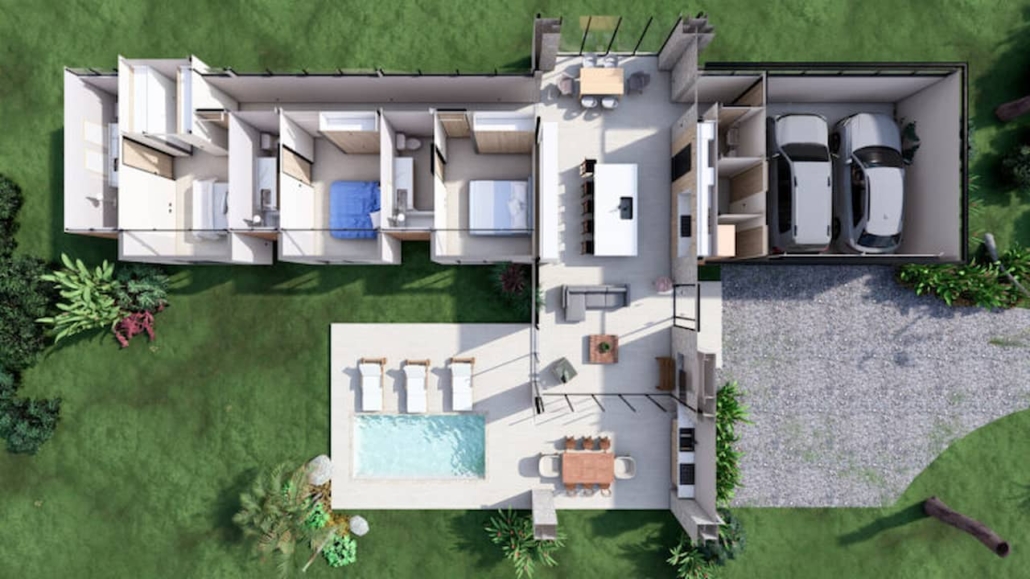
The architectural plans form the foundation of the entire construction permitting process in Costa Rica. These plans show the layout of the home, the position of rooms, the placement of windows, doors and walls and how the structure sits on the land. The architect will also show elevations, sections and site orientation. Preparing these plans takes time because the architect must understand your design goals, your lifestyle preferences and the characteristics of the lot.
The speed of this step depends on how quickly you and your architect make decisions. If your design is simple, the plans can be completed sooner. If your design has many custom features, this step may take longer. Clear communication with your architect usually helps shorten this stage. When the architectural plans are ready, they are used by the engineers to create the technical documents needed for approval.
In most projects, the architectural stage takes several weeks. For more detailed designs, it can take longer. Starting with a clear vision and good communication helps keep this step on schedule.
Step Two Completing Structural and Engineering Plans
Once the architectural plans are finished, the structural engineer begins designing the structural system. This includes foundations, beams, columns, slabs and other elements that keep the building safe. Costa Rica has seismic activity, so structural work must follow national guidelines for earthquake resistance. This step is essential for safety and also for permit approval. The engineer must be registered and licensed at the national level.
Along with structural plans, electrical plans and plumbing plans must also be created. These show how electricity flows through the house, where outlets and switches will be placed, how water reaches the home, where drainage goes and how waste systems are connected. If the home includes air conditioning systems, mechanical plans may be required.
Engineering plans often take several weeks. Large or complex homes may require additional calculations. When all engineering plans are complete, the documents are reviewed by the architect and engineers to confirm accuracy. After this review, the plans are ready for submission.
Step Three Submitting Documents Through the National Platform
Costa Rica uses an online platform for reviewing construction documents. This system allows different agencies to check the plans at the same time. It includes municipal departments, environmental institutions and other agencies when required. Submitting the documents correctly is important because any mistake can cause delays.
Once submitted, each agency reviews the plans according to its responsibility. The structural department checks the structural calculations. The electrical department checks the electrical plan. The environmental office reviews the environmental impact if applicable. Each review can take time, and the speed may change depending on the agency workload.
A complete submission with all documents signed by licensed professionals usually moves faster. If an agency requests clarification, the plans must be corrected and resubmitted. This back and forth process is common and should be expected. The total time for this stage varies widely but is often several weeks to a few months.
Step Four Municipal Approval of the Construction Permit
After the national platform reviews the plans and the documents meet the required standards, the municipality can issue the final construction permit. The municipality checks zoning rules, property boundaries and local guidelines. Once everything is confirmed, the permit is approved.
This is an important moment because construction cannot begin until this permit is issued. The time for municipal approval depends on the specific municipality. Some municipalities process approvals quickly while others take longer due to higher volumes of applications.
Most municipalities require proof of construction insurance before releasing the permit. When this requirement is met, the permit is issued and construction can begin.
Realistic Time Frame for Construction Permits in Costa Rica
Many people want a simple answer to the question of how long construction permits take in Costa Rica. The timeline varies because each project is different. A simple residential home with complete documents may receive approval in a shorter time. A complex home with custom features, a steep lot or environmental reviews may take longer.
In general, the full permitting process often takes several months from the moment architectural and engineering plans are ready. Some projects move faster when the entire team is experienced, organized and familiar with local regulations. Delays usually occur when documents are incomplete or when agencies require revisions.
Understanding this range helps you create a realistic construction schedule. It also reminds you that careful planning before submission is one of the best ways to shorten the overall timeline.
Common Reasons for Permit Delays
Permit delays can happen for several reasons. Incomplete documents are one of the most common causes. When drawings or signatures are missing, the submission must be corrected and resubmitted. Inaccurate information can also cause delays because the reviewing agencies need clear details to approve the plans.
Another common cause of delay is high demand at certain times of the year. When many people submit plans at the same time, agencies take longer to review documents. Some projects require special environmental or zoning reviews, which can add extra time.
Working with a professional team that understands the requirements helps reduce these delays. When documents are complete and submitted correctly the first time, the process usually moves more smoothly.
How to Speed Up the Permitting Process
The best way to speed up the construction permitting process in Costa Rica is to prepare accurate and complete documents. Good communication between you, your architect and your engineers helps ensure that the plans are correct before submission. Another way to shorten the timeline is to choose professionals who have experience with your municipality because they understand the specific rules in that area.
Responding quickly to revision requests also helps. When agencies ask for clarification, providing answers early prevents unnecessary delays. Starting the design and engineering steps as soon as you choose a lot also gives you more control over the overall timeline.
Conclusion
Understanding how long the construction permitting process takes in Costa Rica helps you plan your project with confidence. The timeline depends on how quickly architectural and engineering plans are completed, how accurate the documents are and how busy the reviewing agencies may be at the time of submission. A simple project with complete plans may move faster, while more complex designs or projects near sensitive areas may take longer.
When you know each step in the process, you can prepare early and reduce delays. Good communication with your architect and engineers is essential. Submitting correct documents the first time is one of the most effective ways to shorten the approval process. While the permitting timeline can feel detailed, it is designed to ensure that homes and buildings are safe, well planned and in harmony with Costa Rica’s regulations.
With the right team guiding you, the permitting stage becomes a smooth and organized part of your building journey.
Why Choose Us
We guide you through every step of the construction permitting process in Costa Rica. Our team prepares complete architectural and engineering plans, manages document submission and communicates with the reviewing agencies. We understand local regulations and municipal requirements, which helps reduce delays and improve approval times.
We make the process simple by explaining each step clearly and keeping you informed throughout. Our experience allows us to anticipate common issues and resolve them before they affect your timeline. Whether your project is a simple home or a custom design with specific features, we ensure that your permitting process is handled with accuracy and care.
Choosing us gives you professional support, reliable communication and a smooth transition from planning to construction.
Frequently Asked Questions
How long does the construction permitting process take in Costa Rica
The timeline varies depending on the project size, the completeness of the documents and the workload of reviewing agencies. Most projects take several months from the time architectural and engineering plans are ready.
What documents are needed for building permits in Costa Rica
You need architectural plans, structural plans, electrical plans, plumbing plans and in some cases mechanical or environmental documents. All must be signed by licensed professionals.
Can I start construction before the permit is approved
No. Construction cannot begin until the municipality issues the official building permit.
What causes delays in the permitting process
Delays often occur due to incomplete documents, missing signatures, high demand or the need for environmental reviews. Accurate planning helps reduce these delays.
How can I speed up the permitting process
Work with experienced professionals, prepare complete documents and respond quickly to requests for clarification. Early planning also helps keep the timeline on track.


Leave a Reply
Want to join the discussion?Feel free to contribute!