
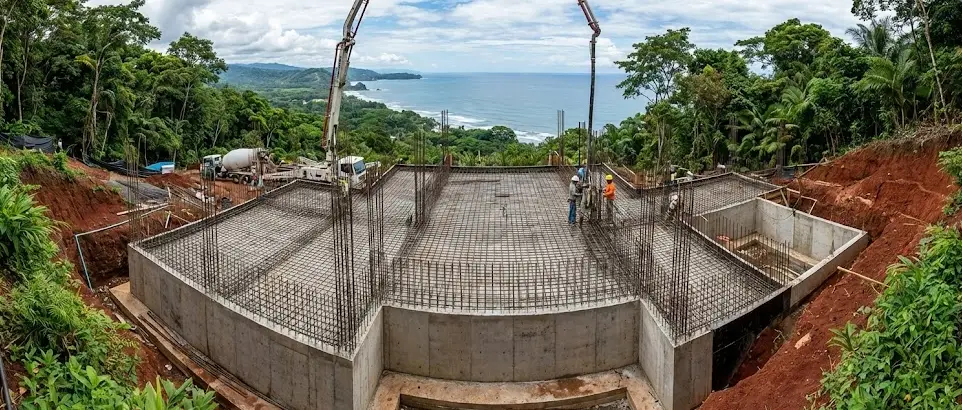
Best Construction Materials for Coastal Homes in Costa Rica | Expert Guide
Building a home near the ocean is a dream for many people, especially in a beautiful country like Costa Rica. Coastal areas offer stunning views, fresh air, and a relaxed lifestyle. However, constructing a home close to the sea is very different from building in inland areas. The coastal environment brings unique challenges that must be addressed from the very beginning. Salt air, high humidity, strong winds, heavy rainfall, and intense sun exposure can all affect the durability and safety of a home.
Choosing the best construction materials for coastal homes in Costa Rica is one of the most important decisions in the entire building process. The right materials protect the structure, reduce maintenance costs, and increase the lifespan of the property. On the other hand, poor material choices can lead to corrosion, mold growth, structural damage, and expensive repairs within just a few years.
Costa Rica has a tropical climate, and its coastal regions are especially demanding on building materials. Homes near the ocean must be designed and built with materials that can withstand moisture, salt, heat, and constant environmental exposure. This guide explains everything you need to know about selecting construction materials for coastal homes. It is written in simple language so even someone new to coastal construction Costa Rica can understand it easily.
Understanding the Coastal Environment in Costa Rica
Before selecting any construction materials, it is important to understand the coastal environment in Costa Rica. Coastal regions experience higher humidity levels compared to inland areas. The air contains salt particles that travel inland from the ocean, settling on buildings and materials. Over time, salt exposure can cause metals to rust, concrete to weaken, and finishes to deteriorate.
Heavy rainfall is common, especially during the rainy season. Moisture can penetrate walls, roofs, and foundations if materials are not chosen carefully. Strong coastal winds can also place pressure on roofs, windows, and exterior walls. In addition, constant sunlight and heat can cause materials to expand, fade, or crack.
Because of these conditions, coastal home construction Costa Rica requires materials that are moisture resistant, salt resistant, and durable enough to handle year round exposure. Understanding these environmental factors helps homeowners make smarter decisions and avoid common construction problems.
Why Material Selection Is Critical for Coastal Homes
Material selection plays a major role in the long term success of any coastal home. Even a well designed house can fail if the wrong materials are used. Salt corrosion is one of the biggest threats to coastal homes. Metal components such as fasteners, reinforcements, and frames can corrode quickly if they are not properly treated or made from suitable materials.
Moisture is another serious concern. High humidity and rain can lead to mold growth, wood rot, and interior damage. Materials that absorb water easily or dry slowly can weaken over time. This not only affects the structure but also impacts indoor air quality and comfort.
Using the best materials for beach houses in Costa Rica helps reduce maintenance costs, improves energy efficiency, and protects property value. Durable materials also provide peace of mind, knowing that the home is built to handle the coastal environment safely and effectively.
Best Foundation Materials for Coastal Homes
The foundation is the base of any home, and in coastal areas, it must be strong and moisture resistant. Concrete is the most commonly used foundation material for coastal homes in Costa Rica. Reinforced concrete performs well in humid environments when properly designed and sealed.
Using high quality concrete mixes with proper curing techniques is essential. Additives that reduce water absorption can further improve durability. Elevated foundations are also popular in coastal areas, as they help protect the home from flooding, surface water, and moisture buildup.
Foundations should be designed by experienced engineers who understand local soil conditions. Coastal soils can vary greatly, and proper site evaluation ensures long lasting stability. Choosing the right foundation materials sets the stage for a durable and safe coastal home.
Concrete as a Primary Structural Material
Concrete is one of the best construction materials for coastal homes in Costa Rica due to its strength and versatility. When reinforced correctly, concrete can resist moisture, heat, and strong winds. It is also less vulnerable to pests compared to traditional wood framing.
For coastal construction Costa Rica, reinforced concrete structures should use corrosion resistant steel reinforcements. Proper concrete cover over steel is essential to prevent salt air from reaching the metal. High quality concrete sealing helps reduce water penetration and surface cracking.
Concrete walls and slabs also provide excellent thermal mass, helping maintain comfortable indoor temperatures. This makes concrete a reliable and long lasting option for seaside home durability materials.
Corrosion Resistant Steel and Reinforcement Options
Steel is widely used in construction, but not all steel is suitable for coastal environments. Regular steel can corrode quickly when exposed to salt air. For this reason, corrosion resistant steel options should always be used for coastal homes.
Galvanized steel, epoxy coated rebar, and stainless steel are commonly recommended materials for coastal houses. These materials offer better protection against rust and structural weakening. While they may cost more upfront, they significantly reduce long term repair expenses.
Using the right steel reinforcement is critical for foundations, columns, beams, and structural connections. Expert recommended materials for coastal homes always prioritize corrosion resistance to ensure safety and durability.
Durable Wall Systems for Coastal Houses
Wall systems in coastal homes must resist moisture, salt exposure, and temperature changes. Concrete block walls are a popular choice due to their strength and resistance to environmental damage. When properly sealed and finished, they provide excellent protection against moisture intrusion.
Insulated concrete forms are another strong option. They combine structural strength with improved energy efficiency. These systems help regulate indoor temperatures while maintaining durability in humid coastal climates.
Exterior wall finishes should include moisture barriers and breathable coatings. This allows walls to release trapped moisture while preventing water from entering. Selecting the right wall systems is essential for building homes near the ocean Costa Rica.
Roofing Materials That Withstand Coastal Conditions
The roof is one of the most exposed parts of a coastal home. It must handle strong winds, heavy rain, intense sun, and salt air. Metal roofing made from corrosion resistant materials is a popular choice for coastal construction.
Aluminum and coated steel roofing systems offer excellent durability and long lifespans. Clay and concrete tiles are also commonly used, as they resist moisture and heat well. However, they must be installed correctly to withstand high winds.
Proper roof design, including slope and drainage, helps prevent water accumulation. Choosing the best materials for beach houses near the ocean ensures long term protection and reduced maintenance.
Moisture Resistant Flooring Materials
Flooring materials in coastal homes should be resistant to moisture and humidity. Natural stone, ceramic tile, and porcelain tile are excellent choices for coastal environments. These materials do not absorb moisture easily and are simple to maintain.
Polished concrete flooring is another durable and budget friendly coastal construction material. It performs well in humid conditions and adds a modern look to coastal homes. Engineered wood products can also be used if they are properly treated and installed.
Avoiding materials that warp or swell in moisture is important. Selecting moisture resistant flooring improves indoor comfort and extends the life of the home.
Windows and Doors for Coastal Durability
Windows and doors play a major role in protecting a coastal home from wind, rain, and salt air. Aluminum frames with protective coatings are commonly used due to their corrosion resistance. High quality vinyl frames also perform well in coastal conditions.
Impact resistant glass is highly recommended for coastal homes in Costa Rica. It provides protection against strong winds and flying debris while improving security. Proper sealing and installation prevent water leaks and air infiltration.
Choosing the right windows and doors enhances energy efficiency and protects interior spaces from harsh coastal elements.
Exterior Finishes and Protective Coatings
Exterior finishes are the first line of defense against coastal weather. Stucco with proper sealing is widely used for coastal homes. It offers durability and aesthetic flexibility while protecting underlying materials.
Paints and coatings designed for humid coastal climates should always be used. These coatings resist mold growth, fading, and moisture penetration. Regular maintenance and inspection help extend the lifespan of exterior finishes.
Protective coatings are essential for exposed concrete, metal, and wood surfaces. Using the right finishes helps maintain the appearance and integrity of coastal homes.
Sustainable and Cost Effective Material Choices
Sustainability is becoming increasingly important in coastal construction Costa Rica. Many homeowners seek cost effective materials that are also environmentally responsible. Locally sourced materials reduce transportation costs and environmental impact.
Concrete, stone, and responsibly sourced wood can be used sustainably when managed correctly. Energy efficient materials also reduce long term utility costs and improve comfort.
Budget friendly coastal construction materials should never compromise quality. Choosing durable materials from the start saves money over time and supports sustainable building practices.
Importance of Professional Material Selection
Selecting the best construction materials for coastal homes in Costa Rica requires professional guidance. Architects, engineers, and builders with coastal experience understand local climate challenges and building regulations.
Professional teams evaluate site conditions, material compatibility, and long term performance. They also ensure that materials meet safety standards and permit requirements. Expert recommended materials for coastal homes are chosen based on experience and proven performance.
Working with professionals reduces risk and ensures that the home is built to last in a demanding coastal environment.
Conclusion
Building a home near the ocean in Costa Rica requires careful planning, expert knowledge, and the right material choices. The coastal environment is beautiful, but it is also demanding. Salt air, humidity, strong winds, and heavy rainfall can cause serious damage if construction materials are not selected correctly. This is why understanding and choosing the best construction materials for coastal homes in Costa Rica is essential for long term durability and comfort.
From strong foundations and reinforced concrete structures to corrosion resistant steel and moisture resistant finishes, every material plays a critical role. Roofing systems, wall assemblies, flooring, windows, and exterior coatings must all work together to protect the home from environmental exposure. Sustainable and cost effective materials also help reduce long term maintenance costs while supporting responsible building practices.
When the right materials are combined with professional design and construction expertise, coastal homes can remain strong, beautiful, and functional for decades. Proper material selection is not just a construction decision. It is an investment in safety, longevity, and peace of mind.
Why Choose Us
Choosing the right construction partner is just as important as choosing the right materials. Coastal home construction in Costa Rica requires deep local knowledge and hands on experience. We understand the challenges that coastal environments present and design homes that are built to perform in these conditions.
Our team specializes in selecting expert recommended materials for coastal homes that are proven to withstand salt air, moisture, and tropical weather. We manage every stage of the process, from site evaluation and material selection to construction and final delivery. This ensures that all materials are compatible, compliant with local regulations, and installed correctly.
We work closely with international clients and provide clear communication throughout the project. Our in house capabilities allow us to maintain quality control and consistency at every level. By focusing on durability, sustainability, and smart design, we help clients build coastal homes that are both beautiful and long lasting.
When you choose us, you are choosing experience, transparency, and a commitment to building coastal homes that truly stand the test of time.
Frequently Asked Questions
What are the best construction materials for coastal homes in Costa Rica
The best construction materials include reinforced concrete, corrosion resistant steel, moisture resistant wall systems, durable roofing materials, and protective exterior finishes. These materials are designed to handle salt exposure, humidity, and strong coastal weather conditions.
Why is concrete commonly used in coastal home construction
Concrete is widely used because it offers strength, durability, and resistance to moisture and pests. When properly reinforced and sealed, concrete performs exceptionally well in coastal environments and provides long term structural stability.
How does salt air affect building materials
Salt air accelerates corrosion in metals and can weaken untreated materials over time. This is why corrosion resistant materials and protective coatings are essential for building homes near the ocean in Costa Rica.
Are metal roofs suitable for coastal homes
Yes, metal roofs made from aluminum or coated steel are excellent for coastal homes. They resist corrosion, handle strong winds, and have long lifespans when installed correctly.
What flooring materials work best in humid coastal climates
Natural stone, ceramic tile, porcelain tile, and polished concrete are ideal flooring options. These materials resist moisture and do not warp or swell in humid conditions.
Can sustainable materials be used for coastal homes
Yes, sustainable and locally sourced materials can be used effectively when chosen carefully. Durable materials reduce maintenance needs and support environmentally responsible construction practices.
How important is professional guidance when choosing materials
Professional guidance is extremely important. Experts understand local climate conditions, building codes, and material performance. This ensures that the best materials for beach houses in Costa Rica are selected and installed correctly.
Do coastal homes require more maintenance
Coastal homes can require more maintenance if the wrong materials are used. However, with proper material selection and protective finishes, maintenance needs can be minimized significantly.
Leave a Reply
Want to join the discussion?Feel free to contribute!