
Pensive architect woman in a safety helmet reviewing building model and blueprints in the office.

Can Foreigners Get Building Permits Easily in Costa Rica?

Foreign investors often ask me a direct question before purchasing land or starting construction: can foreigners obtain building permits in Costa Rica without major complications? The short answer is yes. Foreigners have the same legal right as Costa Rican citizens to apply for permits. However, the process is structured, technical, and documentation-driven. It is not automatic, and it requires strict compliance with municipal and national regulations.

In my experience working with residential and custom construction projects across San José, Jaco, and Playas del Coco, the success of building permits in Costa Rica depends on preparation, professional coordination, and a clear understanding of the regulatory system. When the process is handled correctly, approvals move efficiently. When documentation is incomplete or property due diligence is neglected, delays become inevitable.

Legal Rights of Foreign Property Owners

Costa Rican law does not restrict foreigners from owning property or applying for construction approval. A foreigner can purchase titled property and initiate the building permit process under the same legal framework as a local developer.

The critical factor is ownership clarity. The property must be properly registered in the National Registry, and there must be no legal restrictions, liens, or zoning conflicts. Before submitting any documentation, I always verify:

  • Property registration status
    • Land use designation
    • Access to public utilities
    • Zoning compliance

Without confirming these elements, the application for building permits in Costa Rica can be rejected before technical review even begins.

Understanding the Building Permit Process

The permit process is governed by municipal authorities and regulated professional institutions. It involves multiple steps, each requiring technical documentation prepared by licensed professionals.

Architectural and Engineering Plans Approval

All construction drawings must be prepared and signed by registered professionals and submitted through the CFIA digital platform. The College of Engineers and Architects reviews structural, electrical, and mechanical compliance before municipal submission.

Incomplete or incorrectly stamped plans are one of the most common reasons for rejection. Precision is essential.

Land Use Certification

Before applying for building permits in Costa Rica, the municipality must confirm that the proposed construction aligns with zoning regulations. Land use certification verifies whether the project is permitted in that specific area.

In coastal regions such as Flamingo or Jaco, additional regulatory overlays may apply. Setbacks, height restrictions, and maritime zone regulations must be carefully evaluated.

Environmental Viability Approval

Certain projects require approval from SETENA, the environmental authority. Larger homes, hillside construction, or properties near protected zones may trigger environmental assessment requirements.

Failure to determine whether environmental approval is needed can significantly delay construction timelines.

Municipal Construction Permit

Once all professional approvals are secured, the full documentation package is submitted to the local municipality. This includes:

  • Architectural and structural plans
    • CFIA approval confirmation
    • Land use certification
    • Utility availability letters
    • Property tax clearance
    • Insurance documentation

Municipal engineers then review the submission before granting the official construction permit.

Is the Process Easy for Foreigners?

The process itself is structured and transparent. It is not discriminatory. However, it can feel complex for foreigners unfamiliar with Costa Rican administrative procedures.

Language barriers, unfamiliar documentation standards, and misunderstanding of zoning restrictions are the primary challenges. In San José, processing may move faster due to centralized coordination. In coastal municipalities such as Playas del Coco or Dominical, review timelines can vary depending on project complexity and municipal workload.

Ease depends on preparation and professional guidance. When documentation is complete and compliant from the start, building permits in Costa Rica move forward without unnecessary complications.

Common Mistakes Foreign Investors Make

Through years of project coordination, I have identified recurring errors that create avoidable delays.

Purchasing Land Without Zoning Verification

Buyers sometimes acquire property assuming construction is permitted, only to discover restrictions later. Land use verification must occur before closing the purchase.

Submitting Incomplete Documentation

Every municipality requires a specific set of documents. Missing utility letters, unsigned plans, or outdated property certifications can pause review indefinitely.

Underestimating Environmental Requirements

Properties near rivers, slopes, or protected areas often require environmental viability approval. Ignoring this step leads to redesign costs and extended timelines.

Attempting to Self Manage the Process

Costa Rica’s regulatory system is technical. Licensed architects and engineers are legally required for submission. Attempting to navigate approvals without professional representation increases risk and uncertainty.

Timeline Expectations

One of the most frequent concerns relates to approval timelines. While there is no universal processing time, a properly prepared residential project typically moves through the approval system within several weeks to a few months.

Factors influencing timelines include:

  • Municipality workload
    • Project size and complexity
    • Environmental review requirements
    • Accuracy of submitted documentation

When building permits in Costa Rica are submitted with complete and compliant documentation, review periods remain predictable.

Costs Associated With Building Permits

Permit costs are calculated based on declared construction value. Municipal fees generally represent a percentage of total project cost. Additional expenses include professional design fees, CFIA registration fees, and possible environmental study costs.

Underreporting construction value can result in penalties. Transparency and accurate cost declaration are essential for compliance.

Regional Differences in Permit Administration

While national regulations provide a framework, municipalities maintain authority over local approvals.

In San José, administrative processes are structured and standardized. In coastal regions such as Uvita or Ojochal, additional maritime or environmental considerations may apply. Projects in Guanacaste, including Flamingo and Playas del Coco, often require careful review of coastal setback regulations.

Understanding regional distinctions is essential when applying for building permits in Costa Rica.

The Importance of Professional Coordination

Professional coordination significantly reduces approval risk. A qualified architectural and engineering team ensures that:

  • Plans comply with national building codes
    • Structural calculations meet seismic standards
    • Electrical systems align with safety regulations
    • All documentation is correctly formatted and submitted

Construction without a valid permit exposes property owners to fines, stop work orders, and legal complications. Compliance is not optional.

Due Diligence Before Applying

Before initiating the permit process, I recommend completing full due diligence. This includes confirming:

  • Property boundaries through survey
    • Availability of water and electricity
    • Soil stability for structural design
    • Access to legal road frontage

Proper groundwork prevents costly redesign or regulatory conflict later in the process.

Practical Advice for Foreign Investors

Foreigners can obtain building permits in Costa Rica efficiently when they follow a structured approach. The process is rule based, not subjective.

Success depends on:

  • Securing clear property title
    • Hiring licensed professionals
    • Verifying zoning and land use
    • Preparing complete documentation
    • Respecting environmental regulations

When these steps are executed correctly, the process becomes predictable and manageable.

Building permits in Costa Rica are not inherently difficult for foreigners. They require discipline, documentation accuracy, and professional oversight. With the right preparation and regulatory awareness, foreign investors can move confidently from property acquisition to approved construction.

Conclusion

Building permits in Costa Rica are fully accessible to foreigners when the process is handled with proper documentation, zoning verification, and professional coordination. The system is structured, transparent, and compliance driven. With accurate preparation and expert guidance, approvals become predictable and construction can proceed without regulatory setbacks.

Why Choose Us

At Finish Touch Enterprises, we guide foreign investors through every stage of the permit and construction process with precision and regulatory expertise.

  • Full coordination of architectural, engineering, and municipal approvals
    • Deep knowledge of zoning and environmental requirements across San José, Jaco, and Playas del Coco
    • Structured due diligence before land purchase to prevent costly mistakes
    • Accurate documentation and compliant submissions to avoid delays
    • Experience managing coastal and complex residential projects throughout Costa Rica

FAQs

Can foreigners legally apply for building permits in Costa Rica

Yes, foreigners have the same legal rights as citizens to apply for and obtain building permits in Costa Rica.

How long does it take to obtain a building permit

Approval timelines vary by municipality, but properly prepared residential projects typically receive approval within several weeks to a few months.

Is environmental approval always required

Environmental viability approval depends on project size and location, particularly near protected zones, slopes, or coastal areas.

What happens if construction begins without a permit

Building without approval can result in fines, stop work orders, and legal penalties that delay or halt the project entirely.

Do I need a local architect to apply for permits

Yes, licensed professionals registered with CFIA are legally required to prepare and submit architectural and engineering plans.
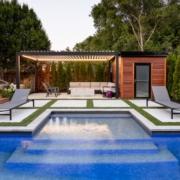
Top Pool Maintenance Tips for Homeowners in Costa Rica

Top Pool Maintenance Tips for Homeowners in Costa Rica

Owning a pool in Costa Rica is a luxury that requires disciplined care. The tropical climate, high humidity, intense sunlight, and heavy rainfall create conditions that demand a structured maintenance strategy. I have worked closely with residential properties across San José, Jaco, and Playas del Coco, and I can say with certainty that pool maintenance in Costa Rica requires a different approach compared to temperate regions. Without proper attention, algae growth, chemical imbalance, and equipment wear accelerate quickly.

This guide outlines the most important professional strategies I recommend to homeowners who want consistent water clarity, long equipment life, and reduced long term costs.

Understanding the Impact of Costa Rica’s Climate on Pool Systems

The climate directly influences water chemistry and filtration efficiency. High UV exposure reduces chlorine stability. Warm temperatures increase biological activity. Heavy rains dilute sanitizers and introduce contaminants.

Because of these environmental factors, pool maintenance in Costa Rica cannot follow a generic weekly checklist. It must be adjusted according to rainfall cycles, coastal salt exposure, and property location. Homes near Flamingo or Playas del Coco, for example, experience additional corrosion risk due to salt air.

A structured inspection routine is essential. I recommend monitoring:

  • Free chlorine levels
    • pH balance
    • Total alkalinity
    • Calcium hardness
    • Cyanuric acid levels

Neglecting these parameters leads to cloudy water, surface staining, and costly repairs.

Maintaining Proper Water Chemistry

Water chemistry is the foundation of professional pool maintenance in Costa Rica. When chemical levels drift outside optimal range, algae can develop within days.

Chlorine and Sanitization Control

In tropical environments, chlorine dissipates faster due to sunlight exposure. Stabilizer levels must be balanced carefully. Too little protection results in rapid chlorine loss. Too much stabilizer reduces sanitizer effectiveness.

I advise maintaining free chlorine between 1.5 and 3 parts per million, depending on pool usage and rainfall. After heavy storms in areas like Jaco or Dominical, chlorine levels must be tested immediately.

PH and Alkalinity Stability

Maintaining pH between 7.4 and 7.6 ensures swimmer comfort and protects pool surfaces. When pH rises above recommended levels, scaling and cloudy water become common. If it drops too low, corrosion affects pumps, heaters, and metal components.

Total alkalinity should remain stable to prevent sudden pH swings. Proper buffering reduces chemical waste and improves system efficiency.

Preventing Algae Growth in Tropical Conditions

Algae growth is one of the most frequent homeowner frustrations. In Costa Rica’s climate, spores are constantly introduced through wind and rainfall.

The most effective prevention strategy includes:

  • Consistent sanitizer levels
    • Proper circulation time
    • Weekly brushing of pool walls
    • Shock treatment when necessary

I never wait for visible algae to appear. Preventive action is more cost effective than reactive chemical treatments.

Properties in Uvita and Ojochal often face increased organic debris from surrounding vegetation. In these environments, filtration runtime may need adjustment beyond standard schedules.

Filtration and Circulation Best Practices

Water movement is critical for effective pool maintenance in Costa Rica. Stagnant water creates dead zones where bacteria thrive.

Pump Operation and Runtime

During warmer months, I recommend running the filtration system long enough to achieve at least one full water turnover per day. In coastal regions such as Flamingo, additional runtime may be required due to higher debris exposure.

Regular inspection of pump baskets and skimmer baskets prevents strain on the motor. A neglected filtration system shortens equipment lifespan and increases energy costs.

Filter Cleaning and Maintenance

Whether using sand, cartridge, or diatomaceous earth filters, maintenance intervals must match environmental conditions.

Cartridge filters often require more frequent rinsing in tropical climates. Sand filters should be backwashed when pressure increases beyond recommended levels. Clean filtration ensures water clarity and reduces chemical demand.

Managing Rainfall and Storm Impact

Heavy rainfall is common throughout much of the year. Stormwater introduces contaminants, dilutes sanitizers, and shifts chemical balance.

After significant rain events in San José or Puntarenas, I always recommend:

  • Testing chlorine and pH immediately
    • Removing debris from skimmers
    • Checking water level
    • Running filtration longer than usual

Ignoring storm impact is one of the primary causes of recurring water issues.

Equipment Protection and Preventive Maintenance

Pool equipment represents a significant investment. Pumps, heaters, chlorinators, and automation systems must be inspected routinely.

Salt air exposure in Playas del Coco and Flamingo accelerates corrosion. Electrical components require sealed protection and periodic inspection.

Preventive measures include:

  • Checking pump seals
    • Inspecting plumbing joints for leaks
    • Monitoring pressure gauges
    • Verifying timer and automation settings

When I evaluate residential properties, I focus on early detection. Small leaks or pressure changes often signal larger mechanical issues.

Surface and Tile Care

Calcium buildup and staining are common challenges in tropical environments. Proper brushing and chemical balance prevent scaling on tile lines and plaster surfaces.

Weekly brushing improves circulation and prevents algae from attaching to porous surfaces. Acid washing should only be performed when necessary and by experienced professionals to avoid surface damage.

Maintaining balanced calcium hardness protects interior finishes and extends pool life.

Saltwater Pool Considerations

Saltwater systems are popular in Costa Rica due to their reduced chlorine odor and softer water feel. However, they still require disciplined oversight.

Salt cells must be inspected and cleaned regularly to prevent scaling. Salinity levels should remain within manufacturer specifications to ensure efficient chlorine generation.

Many homeowners mistakenly believe saltwater pools are maintenance free. In reality, pool maintenance in Costa Rica for salt systems demands equal attention to chemistry and equipment inspection.

Cost Control Through Preventive Strategy

The most expensive pool repairs often result from neglected maintenance. Equipment failure, surface resurfacing, and structural repairs significantly exceed routine service costs.

By maintaining consistent chemical balance and performing inspections, homeowners reduce long term expenses. Structured pool maintenance in Costa Rica protects property value, especially in high end developments in Jaco and Guanacaste.

I emphasize preventive strategy rather than reactive treatment. This approach minimizes emergency service calls and protects investment quality.

When Professional Oversight Becomes Necessary

While homeowners can manage basic tasks, professional supervision ensures long term stability. Complex chemical imbalances, recurring algae outbreaks, and equipment diagnostics require experience and technical knowledge.

Finish Touch Enterprises works across San José, Jaco, and Playas del Coco, providing structured oversight for residential properties. Proper documentation, scheduled inspections, and climate specific adjustments deliver measurable results.

In tropical construction environments such as Costa Rica, pools are not secondary features. They are central design elements that require disciplined care.

Conclusion

Consistent and structured pool maintenance in Costa Rica protects your investment, preserves water clarity, and extends equipment lifespan. The tropical climate demands proactive chemical control, disciplined filtration management, and routine inspection. When maintenance is handled correctly, homeowners avoid costly repairs and ensure a safe, high quality swimming environment year round.

Why Choose Us

At Finish Touch Enterprises, we approach pool maintenance with the same engineering precision we apply to custom construction projects across Costa Rica.

  • Climate specific maintenance strategies designed for tropical and coastal environments
    • Technical expertise in water chemistry, filtration systems, and equipment protection
    • Experience serving San José, Jaco, Playas del Coco, and surrounding regions
    • Preventive maintenance plans that reduce long term repair costs
    • Professional oversight aligned with high end residential standards

FAQs

How often should I schedule professional pool maintenance in Costa Rica

Professional inspection is recommended weekly or biweekly depending on usage, rainfall exposure, and property location.

What is the most common pool problem in Costa Rica

Algae growth and chemical imbalance are the most frequent issues due to heat, humidity, and heavy rainfall.

Does coastal air affect pool equipment

Yes. Salt air in areas like Flamingo and Playas del Coco accelerates corrosion, requiring routine inspection and protective measures.

Can I manage pool maintenance myself

Basic cleaning is manageable, but professional supervision ensures proper chemical balance, equipment protection, and long term system reliability.

How does heavy rain impact my pool

Rain dilutes sanitizers, changes pH levels, and introduces debris, making immediate testing and adjustment essential.

Retirement Home Building Tips in Costa Rica | Expert Guide

Retirement Home Building Tips in Costa Rica (Expert 2025 Guide)

Retirement Home Building Tips are often the first thing people search for when thinking about retiring in Costa Rica. Many expats reach a moment perhaps during a warm Pacific sunset or a peaceful morning in the Central Valley when the idea of a vacation transforms into something deeper. The thought becomes a plan: What if I built my retirement home here? This is often when people want to better understand what the process truly involves.

It’s an exciting vision, but building a home in Costa Rica involves unique factors that differ from construction in the U.S. or Europe. Climate, laws, culture, and geography all influence the process. Still, thousands of retirees successfully build beautiful homes every year. With the right guidance and information, your retirement home can become the comfortable, personal sanctuary you’ve always imagined.

Choosing the Right Land for Your Retirement:Home Building Tips That Matter

Everything begins with the land. In Costa Rica, selecting the right lot is more complex than it may seem. A breathtaking ocean-view property may lack legal water access, a clean title, or the correct zoning for construction. These issues can create major delays and unexpected costs for retirees who are not familiar with local requirements.

Land due diligence is crucial. Before purchasing, it’s important to confirm water availability, review legal boundaries, investigate zoning permissions, and understand any environmental restrictions. Working with skilled builders who know the local systems and processes ensures you avoid the most common mistakes. At Finish Touch Enterprises, we help clients evaluate land thoroughly before any design stage begins, giving them confidence and clarity from day one.

Designing a Home that Fits Your Retirement Lifestyle

After securing a lot, the next step is creating a design that supports how you want to live in retirement. One of the most practical Retirement Home Building Tips is prioritizing comfort over trends, as thoughtful planning can make a home both beautiful and practical for years ahead. Many retirees prefer single-level living to avoid stairs, wider doorways for accessibility, open layouts that connect indoor and outdoor spaces, and shaded terraces for enjoying Costa Rica’s climate.

Your home’s region will also influence the design. Coastal areas require finishes that resist salt exposure, while hot regions like Guanacaste benefit from deep roof overhangs and strong cross-ventilation both important Retirement Home Building Tips for long-term comfort and durability. Mountain homes need features that help regulate humidity and temperature changes. When the design reflects both your lifestyle and the local climate, the result is a home that stays comfortable, functional, and low-maintenance.

Integrating Outdoor Living into Your Daily Life

Outdoor living is a defining part of the Costa Rican experience. Terraces, gardens, and pools become natural extensions of the home rather than separate features. Planning these spaces early helps create a balanced flow between indoors and outdoors, allowing you to enjoy Costa Rica’s natural beauty every day.

Retirees often choose to incorporate comfortable shaded seating areas, outdoor dining spaces, relaxing pool designs, and landscaping that enhances privacy while cooling the surrounding environment. When these elements are designed alongside the home itself, the result is a space that feels harmonious and deeply connected to its surroundings.

Understanding Permits and Construction Requirements for Retirement Home Building

Building a retirement home in Costa Rica involves navigating permits, municipal approvals, and environmental regulations. For newcomers, this process can feel confusing and time-consuming. Depending on the location, you may need environmental studies, water letters, zoning confirmations, and detailed architectural approvals before construction begins.

Working with a builder who manages this process internally makes a significant difference. At Finish Touch Enterprises, our turnkey service includes design, engineering, permitting, and construction, which streamlines the timeline and reduces stress for retireesespecially those living abroad during the build. Although bureaucracy can be slow, having an experienced team ensures that every requirement is handled properly and efficiently.

Preparing for Unexpected Changes During Construction

Even with careful planning, building in Costa Rica can present surprises. Rainy season delays, material substitutions, and minor budget adjustments are normal occurrences. These challenges are familiar to experienced builders, who plan for contingencies and communicate openly with clients to avoid misunderstandings.

For retirees building from abroad, consistent communication is essential. A reliable construction partner keeps you updated with progress photos, timeline adjustments, and transparent insights throughout the process. This type of trust is one of the most valuable elements of a successful retirement build.

Considering the Investment Potential of Your Retirement Home

Many retirees build primarily for their own enjoyment, but Costa Rica’s strong tourism market means your retirement home can also be a valuable investment. Homes with thoughtfully designed outdoor spaces, additional bedrooms, or appealing features like pools often perform very well as vacation rentals.

Designing your home with rental flexibility in mind doesn’t mean compromising your lifestyle. Instead, it can enhance long-term value, allowing the property to generate income during periods when you are traveling or living elsewhere. By planning for both comfort and potential returns, your home becomes both a personal retreat and a smart financial asset.

Why Finish Touch Enterprises Is the Right Partner for Retirees

While many builders in Costa Rica can complete a construction project, few offer a fully integrated experience that simplifies every step of the journey. Finish Touch Enterprises handles land evaluation, custom design, engineering, permitting, construction, and final finishes through one coordinated team.

With more than 40 years of experience working with retirees and expats, we understand the concerns, priorities, and expectations of clients building from abroad. Our commitment to quality, communication, and transparency ensures that your retirement home reflects your vision and supports the peaceful lifestyle you’re seeking in Costa Rica.

Frequently Asked Questions

How much does it cost to build a retirement home in Costa Rica?
Construction costs vary by region, materials, and home size. Most high-quality builds range between $1,000 and $1,700 per square meter.

Is it better to buy or build for retirement in Costa Rica?
Buying is faster, but building allows you to customize the home to your lifestyle, accessibility needs, and design preferences.

How long does construction typically take?
Most projects take between 10 and 14 months, depending on land preparation, permit timelines, and seasonal weather conditions.

Can foreigners legally own property in Costa Rica?
Yes. Foreigners have the same property rights as Costa Ricans, except when buying land within designated maritime zones.

Do I need to be in Costa Rica during construction?
No. Many retirees build remotely with the support of a trustworthy builder who provides regular updates and transparent communication.

Which regions are best for retirement homes?
Popular areas include Guanacaste for warm beaches, the Central Valley for cooler climates and convenience, and the Southern Zone for privacy and natural beauty.

Ready to Begin Your Retirement Home Journey?

Retirement is a chance to choose the lifestyle you truly want. If Costa Rica feels like the place where life slows down and every day feels rich with possibility, then now is the perfect time to start planning your dream home. Finish Touch Enterprises is here to guide you from the first land evaluation to the moment your new home is ready for you.

Contact us today to start building your retirement home in Costa Rica.

Best Retirement House Builders in Costa Rica

How to Choose the Best Retirement House Builders in Costa Rica

It starts as a daydream. You’re sitting on a shaded terrace, maybe watching the Pacific waves, maybe listening to the quiet of the hills inland, and the thought drifts in: this could be home. Not just a vacation spot, not a rental, but the place you’ll retire.

For many, Costa Rica feels like the ideal setting for that next chapter—stable, welcoming, and filled with the kind of natural beauty that makes slowing down feel natural. But then comes the harder question: how do you find the right team to build that home? After all, retiring here isn’t just about buying any house. It’s about choosing the best retirement house builders who can shape a home that matches your vision, your comfort, and your future.

Why Retirement Homes in Costa Rica Are Unique

Building a retirement home isn’t the same as building a family villa or a vacation rental. The priorities shift. Comfort, accessibility, low maintenance, and community often matter more than sheer size.

The best retirement house builders understand that. They don’t just design for beauty; they design for practicality. Homes that are easy to navigate. Spaces that feel welcoming, whether it’s just you or visiting family. Terraces and gardens that invite long mornings with coffee.

👉 See how our custom home designs in Costa Rica adapt to different lifestyles, including retirement living.

The Importance of Trust

Let’s be honest: building in another country can feel intimidating. There’s land to evaluate, paperwork to file, and construction to manage. And many retirees aren’t here year-round while the house is being built.

That’s why trust becomes central. The best retirement house builders aren’t just skilled with design—they’re reliable communicators. They keep you updated with photos, reports, and clear budgeting. They make sure you’re not left wondering what’s happening thousands of miles away.

Finish Touch Enterprises, for example, has spent more than 40 years building that kind of trust. They guide clients step by step, whether it’s checking that a lot has water rights or making sure permits don’t stall halfway through.

👉 Discover how we support clients building in Costa Rica with confidence.

Step 1: Choosing the Right Land

The journey always starts here. That ocean-view lot may look perfect, but does it have a clear title? Can it legally support construction? Is there road and utility access?

Many first-time buyers don’t know what to ask. The best retirement house builders step in early, often helping clients avoid costly mistakes. They’ll verify zoning, evaluate slope stability, and confirm that everything aligns before design even begins.

Step 2: Designing for Lifestyle and Longevity

Design isn’t just about taste—it’s about how you’ll actually live here. Maybe that means a single-level layout with fewer stairs. Maybe wide hallways, shaded outdoor spaces, or a guest suite for family visits.

Some retirees want simplicity, others dream of a pool and an outdoor kitchen. The key is flexibility. Experienced builders adapt. In Guanacaste, for instance, wide rooflines and open floor plans help homes stay cool. In the Central Valley, perhaps natural stone and courtyards fit better.

Best retirement house builders don’t just deliver blueprints. They listen, adjust, and refine until the design feels like a reflection of you.

👉 Learn more about our step-by-step turnkey construction services that handle everything from design to finishing touches.

Step 3: Handling Permits and Paperwork

Here’s the part most people underestimate: bureaucracy. Municipal permits, environmental studies, and utility approvals can stretch into months if mismanaged.

That’s why retirees, especially, need builders who understand the process. The best retirement house builders manage paperwork directly, keeping projects legal and on schedule. It’s not glamorous, but it’s essential.

Step 4: Construction and Craftsmanship

Once the groundwork is done, the real excitement begins. Walls rise, roofs take shape, and the home starts to feel tangible.

But construction here has its quirks. Rainy season slows progress. Material availability can shift. The difference lies in management. Builders who keep most services in-house—like Finish Touch with their own woodshop for custom cabinetry and furniture—can adapt quickly and keep quality consistent.

For retirees, this means peace of mind. You’re not juggling contractors or worrying if details will be missed.

Modern Comfort or Traditional Charm?

Costa Rica offers room for both. Some retirees prefer sleek, modern villas with glass walls and infinity pools. Others want traditional homes with clay-tile roofs and shaded verandas.

Often, the best results mix the two. A contemporary kitchen opening into a rustic terrace. A modern pool framed by traditional stonework. The best retirement house builders understand that balance—it’s not about imposing one style but shaping a home that feels right for you.

👉 Browse examples of home designs in Guanacaste that merge modern comfort with local character.

Outdoor Living as a Priority

One of Costa Rica’s greatest gifts is its climate. Evenings are warm and breezy, mornings filled with light. Outdoor living is part of daily life here.

That’s why retirement homes often emphasize patios, gardens, and pools. The best retirement house builders design outdoor spaces as extensions of the home, not extras. A shaded terrace can feel as important as a living room. A pool might be both luxury and therapy.

👉 See how our pool design and construction services create spaces that bring indoor and outdoor living together.

Investment and Long-Term Value

Retirement homes here aren’t only for personal use. Many retirees rent their homes when traveling or after deciding to downsize later. A well-designed house, especially in popular areas like Guanacaste, can become a strong investment.

The best retirement house builders keep that in mind. They design spaces that work for you now but also appeal to future buyers or guests.

Realities Worth Noting

No construction is flawless. Timelines stretch, budgets shift, and rain interrupts. Retirees, especially, need to plan for that.

But choosing experienced builders makes the process smoother. Instead of surprises derailing progress, challenges are managed, communicated, and resolved.

Why Finish Touch?

Plenty of companies build houses. Fewer manage the entire journey—from land evaluation to engineering, permits, construction, and finishing. That integration is what makes Finish Touch Enterprises stand out among the best retirement house builders.

For retirees, it means less stress, fewer moving parts, and more confidence. You’re not piecing together five different contractors. You’re trusting one team that handles it all.

Conclusion: Retirement, Reimagined

Retirement isn’t about slowing down—it’s about choosing how you want to live. For some, that’s a quiet villa surrounded by hills. For others, it’s a modern home with ocean views and space for visiting family.

The key is finding the best retirement house builders who can translate that vision into reality. Builders who know the land, respect the culture, and guide you through every step.

If you’ve been imagining Costa Rica as the place for your next chapter, maybe the first move isn’t buying a ticket—it’s starting a conversation. The right team can take it from there, one step at a time, until the day you’re holding keys to a home that feels entirely yours.

retirees choose to build homes in Costa Rica

Top Reasons Retirees Are Building Homes in Costa Rica

The idea usually begins as a whisper. You’re on vacation, sitting under the shade of a palm tree, and someone says it: Wouldn’t this be a perfect place to retire? At first, it’s just a thought, an indulgent daydream. But for many, that thought doesn’t fade when the trip ends. It grows louder until one day you’re looking at maps of Guanacaste or the Central Valley and asking yourself, What would it take to actually retire in Costa Rica?

The truth is, people leap every year. Some sell everything and move full-time. Others build a second home, they plan to spend increasing months in until retirement feels official. Whatever the path, one thing is clear: Costa Rica has become one of the top destinations for retirees looking not just for a change of scenery, but for a whole new rhythm of life.

The Appeal of Costa Rica for Retirees

So why here, of all places? There’s no single answer. Some are drawn to the stability—Costa Rica is known as one of the safest, most politically steady countries in Latin America. Others come for healthcare, which is affordable and surprisingly high quality. And, of course, the landscape itself is irresistible: beaches that stretch for miles, forests filled with wildlife, mountain air that feels fresh year-round.

When people decide to retire in Costa Rica, they’re not only choosing beauty. They’re choosing a lifestyle that feels slower, calmer, and, in many ways, healthier.

👉 Learn how we help expats building in Costa Rica with confidence, from land purchase to finished home.

Building vs. Buying

One of the first questions retirees face is whether to buy an existing house or build a new one. Buying is simpler, no doubt. But building offers something buying rarely does: the chance to create a home tailored to this stage of life.

For some, that means a single-level layout without endless stairs. For others, it’s a pool, outdoor kitchen, and terrace designed for entertaining family and friends. The climate here invites open-air designs, wide verandas, and shaded gardens—all things best planned from the start.

That’s why so many retirees choose to build. They don’t just want to retire in Costa Rica—they want to shape a home that makes retirement here easier, more comfortable, and more personal.

👉 Explore our range of custom home designs in Costa Rica to see how plans adapt to lifestyle needs.

Lifestyle First, Design Second

Designing a retirement home starts with questions that go beyond architecture. Do you plan to live here full-time? Will the family visit often? Do you want a low-maintenance villa or something expansive with guest suites?

In Costa Rica, climate shapes these decisions too. A hillside home might need cross-ventilation and wide roof overhangs. A beachside villa might require stronger finishes to withstand salt and humidity. Retirees learn quickly that design isn’t just about style—it’s about living well day to day.

The best builders listen. They don’t hand retirees a cookie-cutter model; they adapt plans until they reflect the way you actually want to live.

Community and Connection

When people retire in Costa Rica, they’re not only investing in homes—they’re investing in communities. Guanacaste, for instance, has vibrant expat neighborhoods where retirees quickly find support networks. The Central Valley appeals to those who prefer cooler weather and easy access to city amenities.

A thoughtfully built home can strengthen those connections. A terrace becomes the spot for neighborly dinners. A pool becomes the place where grandchildren spend afternoons. Retirement here isn’t about isolation; it’s about blending into a culture that values connection and hospitality.

The Practical Side: Healthcare and Safety

Retirement decisions aren’t all about sunsets and beaches. Healthcare plays a big role. Costa Rica’s system, both public and private, is accessible and affordable compared to many countries. Retirees often cite this as one of the reasons they felt confident making the move.

Safety is another factor. While no country is without issues, Costa Rica consistently ranks as one of the safest in Latin America, especially in rural and suburban areas where most retirees settle.

When you combine these practicalities with the emotional appeal, the choice to retire in Costa Rica becomes less of a risk and more of a natural step.

Outdoor Living: A Retirement Essential

If there’s one thing retirees agree on, it’s that the outdoors becomes central to life here. A terrace isn’t just a nice addition—it’s where mornings start and evenings linger. Pools, gardens, and shaded patios aren’t luxuries; they’re part of the daily routine.

That’s why builders here integrate outdoor spaces into the design from the very beginning. Retirement in Costa Rica often means living as much outside as inside.

👉 See our pool design and construction services that make outdoor living seamless.

Investment Potential

Some retirees look at their homes as more than just living spaces. A well-designed villa can become a rental property when they travel or decide to downsize. Popular regions like Guanacaste see strong demand for vacation rentals, making retirement homes valuable assets.

This dual purpose—personal retreat and investment—makes the decision to build even more appealing. Retirement becomes not just about lifestyle, but about smart planning too.

Challenges to Expect

It would be misleading to suggest building is always smooth. Rain delays construction. Permits take time. Material availability can shift.

But experienced builders manage these challenges. They anticipate weather, navigate bureaucracy, and communicate clearly with clients abroad. Retirees don’t need perfection; they need reliability. And that’s what makes all the difference.

👉 Discover how our turnkey construction services simplify the process for retirees and expats.

Why Finish Touch Enterprises?

Plenty of companies can build a house. Fewer can manage the entire journey—land evaluation, design, engineering, permits, construction, and finishes—all in one place. That integration is what sets Finish Touch Enterprises apart.

For retirees, it means peace of mind. You’re not juggling multiple contractors or worrying about miscommunication. You’re working with a team that’s been building homes in Costa Rica for more than 40 years, with a reputation built on trust and results.

That’s why so many who choose to retire in Costa Rica also choose to build with Finish Touch.

Conclusion: A Retirement Shaped by Choice

At the end of the day, retirement isn’t about slowing down. It’s about choosing how you want to live. For many, Costa Rica offers the perfect blend of beauty, culture, safety, and health.

Building a home here turns that choice into something tangible. It’s a terrace where mornings stretch out, a garden filled with light, a pool where laughter lingers. It’s not just retiring abroad—it’s shaping the next chapter exactly how you want it.

If you’ve been imagining this possibility, maybe the first step is simply starting the conversation. From there, the process unfolds, one piece at a time, until the dream becomes a door you unlock.

Retirement Home Building Tips Costa Rica

Retirement Home Building Tips: Costa Rica Edition

Thinking about retiring in Costa Rica? Many expats reach a momentperhaps during a warm Pacific sunset or a peaceful morning in the Central Valleywhen the idea of a vacation transforms into something deeper. The thought becomes a plan: What if I built my retirement home here?

It’s an exciting vision, but building a home in Costa Rica involves unique factors that differ from construction in the U.S. or Europe. Climate, laws, culture, and geography all influence the process. Still, thousands of retirees successfully build beautiful homes every year. With the right guidance and information, your retirement home can become the comfortable, personal sanctuary you’ve always imagined.

Choosing the Right Land for Your Retirement Home

Everything begins with the land. In Costa Rica, selecting the right lot is more complex than it may seem. A breathtaking ocean-view property may lack legal water access, a clean title, or the correct zoning for construction. These issues can create major delays and unexpected costs for retirees who are not familiar with local requirements.

Land due diligence is crucial. Before purchasing, it’s important to confirm water availability, review legal boundaries, investigate zoning permissions, and understand any environmental restrictions. Working with skilled builders who know the local systems and processes ensures you avoid the most common mistakes. At Finish Touch Enterprises, we help clients evaluate land thoroughly before any design stage begins, giving them confidence and clarity from day one.

Designing a Home that Fits Your Retirement Lifestyle

After securing a lot, the next step is creating a design that supports how you want to live in retirement. Comfort becomes a priority over trends, and thoughtful planning can make a home both beautiful and practical for years ahead. Many retirees prefer single-level living to avoid stairs, wider doorways for accessibility, open layouts that connect indoor and outdoor spaces, and shaded terraces for enjoying Costa Rica’s climate.

Your home’s region will also influence the design. Coastal areas require finishes that resist salt exposure, while hot regions like Guanacaste benefit from deep roof overhangs and strong cross-ventilation. Mountain homes need features that help regulate humidity and temperature changes. When the design reflects both your lifestyle and the local climate, the result is a home that stays comfortable, functional, and low-maintenance.

Integrating Outdoor Living into Your Daily Life

Outdoor living is a defining part of the Costa Rican experience. Terraces, gardens, and pools become natural extensions of the home rather than separate features. Planning these spaces early helps create a balanced flow between indoors and outdoors, allowing you to enjoy Costa Rica’s natural beauty every day.

Retirees often choose to incorporate comfortable shaded seating areas, outdoor dining spaces, relaxing pool designs, and landscaping that enhances privacy while cooling the surrounding environment. When these elements are designed alongside the home itself, the result is a space that feels harmonious and deeply connected to its surroundings.

Understanding Permits and Construction Requirements

Building a retirement home in Costa Rica involves navigating permits, municipal approvals, and environmental regulations. For newcomers, this process can feel confusing and time-consuming. Depending on the location, you may need environmental studies, water letters, zoning confirmations, and detailed architectural approvals before construction begins.

Working with a builder who manages this process internally makes a significant difference. At Finish Touch Enterprises, our turnkey service includes design, engineering, permitting, and construction, which streamlines the timeline and reduces stress for retireesespecially those living abroad during the build. Although bureaucracy can be slow, having an experienced team ensures that every requirement is handled properly and efficiently.

Preparing for Unexpected Changes During Construction

Even with careful planning, building in Costa Rica can present surprises. Rainy season delays, material substitutions, and minor budget adjustments are normal occurrences. These challenges are familiar to experienced builders, who plan for contingencies and communicate openly with clients to avoid misunderstandings.

For retirees building from abroad, consistent communication is essential. A reliable construction partner keeps you updated with progress photos, timeline adjustments, and transparent insights throughout the process. This type of trust is one of the most valuable elements of a successful retirement build.

Considering the Investment Potential of Your Retirement Home

Many retirees build primarily for their own enjoyment, but Costa Rica’s strong tourism market means your retirement home can also be a valuable investment. Homes with thoughtfully designed outdoor spaces, additional bedrooms, or appealing features like pools often perform very well as vacation rentals.

Designing your home with rental flexibility in mind doesn’t mean compromising your lifestyle. Instead, it can enhance long-term value, allowing the property to generate income during periods when you are traveling or living elsewhere. By planning for both comfort and potential returns, your home becomes both a personal retreat and a smart financial asset.

Why Finish Touch Enterprises Is the Right Partner for Retirees

While many builders in Costa Rica can complete a construction project, few offer a fully integrated experience that simplifies every step of the journey. Finish Touch Enterprises handles land evaluation, custom design, engineering, permitting, construction, and final finishes through one coordinated team.

With more than 40 years of experience working with retirees and expats, we understand the concerns, priorities, and expectations of clients building from abroad. Our commitment to quality, communication, and transparency ensures that your retirement home reflects your vision and supports the peaceful lifestyle you’re seeking in Costa Rica.

Frequently Asked Questions

How much does it cost to build a retirement home in Costa Rica?
Construction costs vary by region, materials, and home size. Most high-quality builds range between $1,000 and $1,700 per square meter.

Is it better to buy or build for retirement in Costa Rica?
Buying is faster, but building allows you to customize the home to your lifestyle, accessibility needs, and design preferences.

How long does construction typically take?
Most projects take between 10 and 14 months, depending on land preparation, permit timelines, and seasonal weather conditions.

Can foreigners legally own property in Costa Rica?
Yes. Foreigners have the same property rights as Costa Ricans, except when buying land within designated maritime zones.

Do I need to be in Costa Rica during construction?
No. Many retirees build remotely with the support of a trustworthy builder who provides regular updates and transparent communication.

Which regions are best for retirement homes?
Popular areas include Guanacaste for warm beaches, the Central Valley for cooler climates and convenience, and the Southern Zone for privacy and natural beauty.

Ready to Begin Your Retirement Home Journey?

Retirement is a chance to choose the lifestyle you truly want. If Costa Rica feels like the place where life slows down and every day feels rich with possibility, then now is the perfect time to start planning your dream home. Finish Touch Enterprises is here to guide you from the first land evaluation to the moment your new home is ready for you.

Contact us today to start building your retirement home in Costa Rica.