
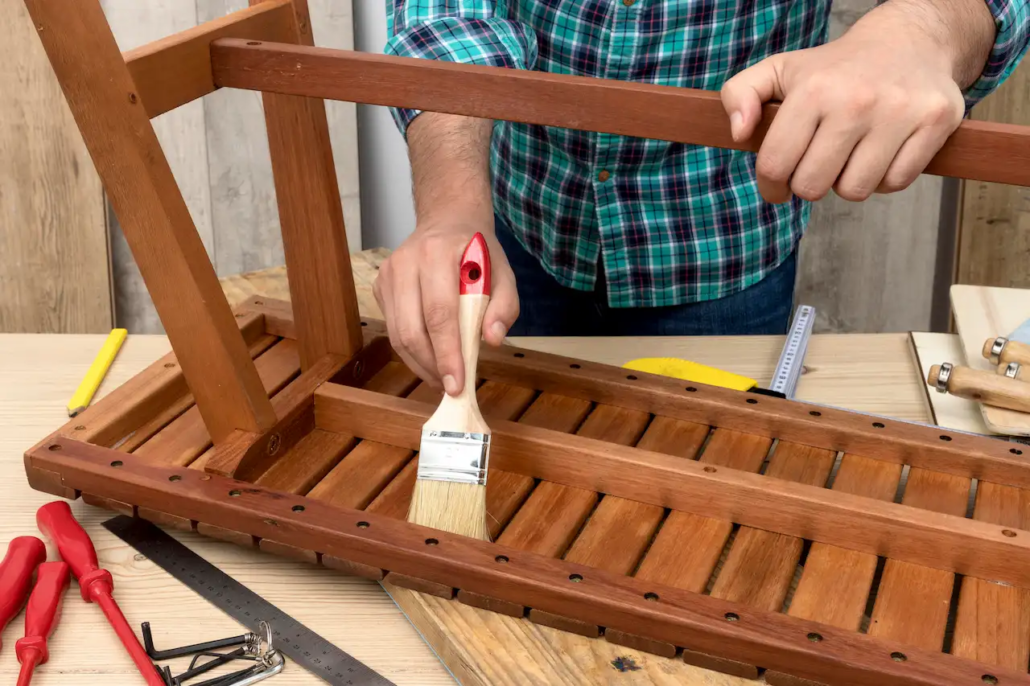
How to Maintain Wooden Furniture in Costa Rica’s Climate
Wooden furniture adds beauty, warmth, and natural elegance to any home. In Costa Rica, many homes and vacation properties are filled with beautiful wood pieces made from teak, cedar, Guanacaste, and other tropical hardwoods. However, the tropical environment can be challenging for wood. High humidity, strong sunlight, salty air near the coast, and heavy rainy seasons all affect furniture over time. That is why it is very important to understand how to maintain wooden furniture in Costa Rica so that it remains strong and attractive for many years.
Proper care does not need to be complicated. With the right knowledge and regular attention, anyone can keep their furniture in excellent condition. This guide explains in simple language everything you need to know about wooden furniture care Costa Rica homeowners should follow.
Why Wooden Furniture Needs Special Care in Costa Rica
The climate in Costa Rica is very different from dry or cold countries. The combination of heat and moisture can slowly damage wood if it is not protected. Many people move to Costa Rica and quickly realize that furniture maintenance in humid weather requires more attention than they expected.
Wood is a natural material that reacts to its environment. When the air is very humid, wood can absorb moisture and expand. When the air becomes drier, the wood can shrink again. These constant changes may cause cracks, warping, or loose joints. Because of this, caring for wooden furniture in tropical climate conditions is essential for every home.
Understanding these environmental effects is the first step in learning how to protect wood furniture in humid climate areas.
Common Problems That Affect Wooden Furniture
Before learning how to care for furniture, it helps to know what kinds of damage can happen. The most common issues that occur with Costa Rica wood furniture maintenance include humidity problems, mold growth, insects, and sun damage.
Humidity and wooden furniture do not always work well together. Excess moisture can lead to swelling and bending of wood pieces. In coastal areas, salty air can also slowly wear down finishes.
Another frequent problem is mold on wooden furniture. Because Costa Rica has long rainy seasons, damp surfaces can quickly develop mold or mildew if they are not cleaned and aired out regularly.
Termites and other insects are also a serious concern. Without proper termite protection for wood furniture, pests can quietly damage wood from the inside.
Strong tropical sunlight is another enemy of wood. Direct sun can fade colors and dry out surfaces, leading to cracks. Learning how to prevent wood damage in Costa Rica means paying attention to all these risks.
Basic Daily Habits for Wood Furniture Maintenance
The best way to protect furniture is through simple daily habits. Small actions done regularly can prevent big problems later.
Keep rooms well ventilated so air can circulate. Good airflow reduces moisture buildup and helps prevent mold on wooden furniture.
Wipe surfaces gently with a soft cloth to remove dust. Dust can trap moisture and slowly harm the finish.
Avoid placing hot or wet items directly on wood. Always use coasters, mats, or protective pads.
These small routines are the foundation of wood furniture maintenance Costa Rica homeowners should practice.
Best Way to Clean Wooden Furniture
Cleaning is one of the most important parts of tropical wood furniture care. Many people damage their furniture by using the wrong products.
Use a soft, slightly damp cloth to clean surfaces. Harsh chemicals should be avoided because they can remove natural oils from the wood. Mild soap mixed with water is usually enough for regular cleaning.
The best way to clean wooden furniture in tropical areas is to clean gently and often instead of using strong cleaners occasionally.
For deeper cleaning, natural products such as diluted vinegar or special wood cleaners can be used. Always dry the surface after cleaning to prevent moisture from soaking in.
Wood furniture cleaning tips like these help keep pieces looking fresh without causing damage.
Protecting Furniture From Humidity
Humidity is the biggest challenge in Costa Rica. Learning how to protect wooden furniture from humidity is essential for long term care.
Inside the home, try to control moisture levels. Using fans or air conditioning during very humid days can help a lot. In very damp rooms, a dehumidifier can make a big difference.
Never push wooden furniture directly against wet walls. Leave a little space so air can move around the piece.
If you live near the beach, salty moisture in the air can be even stronger. In these areas, extra care and regular polishing are necessary.
These steps are key to prevent moisture damage to wood and keep it strong for years.
How to Prevent Mold and Mildew
Mold is very common in tropical climates, especially during the rainy season. Knowing how to stop mold on wooden furniture in Costa Rica can save a lot of stress.
Regular cleaning and ventilation are the first defense. Wipe furniture frequently and keep windows open when possible.
If mold spots appear, clean them quickly with a mixture of water and mild vinegar. Dry the area completely afterward.
Avoid storing furniture in dark and closed rooms for long periods. Sunlight and airflow naturally reduce mold growth.
Taking these actions helps maintain wooden furniture in Costa Rica even during the wettest months.
Termite and Insect Protection
In tropical countries, insects are a serious threat to wood. Learning how to prevent termites in wooden furniture should be a priority for every homeowner.
Here are some important protective actions
- Use wood that has been properly treated against insects
- Apply protective sealants and finishes
- Inspect furniture regularly for small holes or dust
- Avoid placing furniture directly on soil or damp floors
Professional termite treatments can also be applied to homes as extra protection. Without these steps, pests can quietly destroy valuable pieces.
Termite protection for wood furniture is especially important for outdoor items and older antiques.
Caring for Outdoor Wooden Furniture
Outdoor furniture needs even more attention than indoor pieces. Rain, sun, and humidity hit these items every day. Many people ask how to protect outdoor wooden furniture in Costa Rica.
Outdoor pieces should be made from strong tropical woods such as teak or cedar. These woods naturally resist moisture better.
Regular oiling and sealing are necessary. Covers should be used during heavy rain or when furniture is not being used.
Tips to maintain wooden furniture near the beach include washing off salty air residue and keeping items shaded whenever possible.
Proper outdoor care greatly increases the wooden furniture lifespan.
Protection From Sun Damage
The Costa Rican sun is powerful and can quickly fade or dry out wood. Sun damage to wooden furniture is very common in open living spaces and terraces.
Avoid placing furniture directly under strong sunlight for long hours. Use curtains, blinds, or outdoor roofs to provide shade.
Polishing wood with natural oils helps replace moisture that the sun removes. This is one of the top methods to protect wooden furniture from cracking.
Wood cracking prevention often depends on balancing sun exposure with proper moisturizing products.
Special Care for Teak and Tropical Woods
Many homes in Costa Rica use teak furniture because it is naturally strong and beautiful. However, even teak needs attention. People often ask how to care for teak furniture in Costa Rica.
Teak should be cleaned gently and oiled regularly to maintain its rich color. Without oil, teak will slowly turn gray. Some people like this natural look, while others prefer to keep the warm golden tone.
Other local woods also need periodic polishing and sealing. Expert tips for wooden furniture care always include choosing the right product for each type of wood.
Using the best wood polish for tropical climate conditions helps keep furniture looking new.
Preparing Furniture for the Rainy Season
Costa Rica has long rainy periods that can be hard on furniture. Learning how to keep wood furniture safe in rainy season is very important.
Before the rains begin, inspect all furniture for weak spots. Apply fresh protective coatings and make sure surfaces are sealed.
Move outdoor furniture to covered areas when possible. For indoor pieces, increase ventilation and clean more often.
These seasonal actions help avoid wood rot in humid climates and keep items protected year after year.
Budget Friendly Ways to Maintain Furniture
Many people believe furniture care is expensive, but there are many budget friendly wooden furniture maintenance methods.
- Regular dusting and cleaning cost almost nothing
- Natural oils such as coconut oil can be used for polishing
- Simple ventilation prevents major problems
- Using coasters and cloth covers protects surfaces
These budget friendly ways to protect wood furniture prove that good care does not always require costly products.
Following these habits is truly the best way to maintain wooden furniture in Costa Rica without spending too much money.
Choosing the Right Products for Maintenance
Selecting proper products is an important part of maintenance. Using the wrong cleaner or polish can do more harm than good.
Look for gentle wood soaps, natural oils, and high quality sealants. Avoid strong chemical sprays that are not designed for wood.
Many experts recommend wax based or oil based polishes because they nourish the wood while adding protection.
Getting expert advice on wood furniture maintenance from local professionals can help you choose the safest options for your specific pieces.
When Professional Help Is Needed
Sometimes furniture needs more than basic home care. Deep stains, serious mold, insect damage, or large cracks may require professional attention.
An expert furniture care in humid climate specialist can sand, refinish, or repair damaged pieces and make them look new again.
For valuable antiques or custom made items, professional maintenance is often the safest choice.
Using top furniture protection tips Costa Rica specialists recommend will extend the life of expensive wooden items.
Building Long Term Habits for Lasting Furniture
Maintaining furniture is not a one time job. It is a long term routine. The best way to maintain wooden furniture in Costa Rica is to create simple habits and follow them consistently.
- Clean gently and regularly
- Protect from sun and rain
- Control indoor humidity
- Polish and seal when needed
- Inspect for insects and mold
These actions together form a complete system of tropical wood furniture care.
With patience and regular attention, any homeowner can enjoy beautiful, strong, and healthy furniture for decades. Proper care truly makes all the difference.
Conclusion
Taking care of wooden furniture in Costa Rica is not difficult when you understand the climate and the needs of natural wood. The combination of heat, humidity, rain, insects, and strong sunlight can slowly affect furniture, but regular attention and simple habits can prevent most problems.
Learning how to maintain wooden furniture in Costa Rica helps protect your investment and keeps your home beautiful. Cleaning gently, controlling moisture, protecting from sun, and checking for insects are the main steps every homeowner should follow.
Whether you live near the beach or in the mountains, proper wooden furniture care Costa Rica homeowners practice will always make a big difference. With the right routine, your furniture can stay strong, attractive, and functional for many years.
Why Choose Us for Wooden Furniture Care and Maintenance
Taking care of wooden furniture in a tropical climate requires experience and local knowledge. We understand the specific challenges that Costa Rica homes face every day. Our team provides practical and reliable solutions for every type of wooden furniture.
Here are the main reasons to choose our service
• Expert understanding of Costa Rica climate conditions
• Professional knowledge of tropical wood types
• Safe and proven cleaning methods
• Long term protection solutions
• Advice tailored to coastal and inland homes
• Affordable and budget friendly maintenance options
• Reliable and honest recommendations
• Help with mold, humidity, and insect problems
• Quality products designed for humid climates
We focus on giving simple and effective solutions so that every customer can enjoy beautiful and long lasting furniture without stress.
Frequently Asked Questions
What is the best way to maintain wooden furniture in Costa Rica?
The best way is regular cleaning, good ventilation, protection from direct sun, and using proper wood polish. These simple steps help prevent moisture damage to wood and keep it in good condition.
How can I protect wooden furniture from humidity?
You can protect furniture by keeping rooms well ventilated, using fans or dehumidifiers, and avoiding placing furniture against damp walls. These actions help reduce the effect of humidity and wooden furniture problems.
How often should I clean my wooden furniture?
Light cleaning should be done weekly, and deeper cleaning once a month. Regular dusting and wiping prevent dirt buildup and help in furniture maintenance in humid weather.
What should I use to clean wooden furniture?
Use a soft cloth with mild soap and water. Avoid strong chemicals. The best way to clean wooden furniture in tropical areas is gentle and frequent cleaning with safe products.
How can I stop mold on wooden furniture in Costa Rica?
Good airflow, regular cleaning, and quick drying are the best methods. If mold appears, clean it immediately with mild vinegar and dry the surface completely.
How do I prevent termites in wooden furniture?
Use treated wood, apply protective sealants, inspect furniture regularly, and avoid placing wood directly on damp floors. These steps provide effective termite protection for wood furniture.
How can I protect outdoor wooden furniture?
Outdoor furniture should be sealed, oiled regularly, and kept under shade when possible. Using covers during heavy rain is one of the top methods to protect wooden furniture outdoors.
What is the best wood polish for tropical climate?
Natural oil based polishes and wax based products work best in humid climates. They help keep wood moisturized and prevent cracking and fading.
How do I care for teak furniture in Costa Rica?
Teak furniture should be cleaned gently and oiled regularly to keep its color and strength. Proper care greatly improves the wooden furniture lifespan.
Is wooden furniture hard to maintain in Costa Rica?
Not at all. With simple habits and regular attention, maintaining wood furniture is easy. Following expert tips for wooden furniture care makes the process simple and stress free.
Leave a Reply
Want to join the discussion?Feel free to contribute!