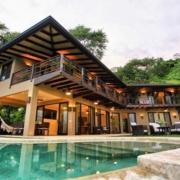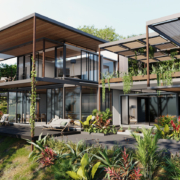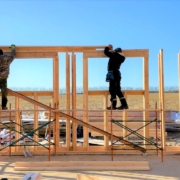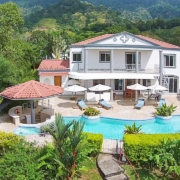
Reliable home builder in Costa Rica showcasing a modern tropical house and professional construction expert from Finish Touch.

How to Choose a Reliable Home Builder in Costa Rica

Building a home in Costa Rica is a dream for many people. The country offers beautiful landscapes, a relaxed lifestyle, and a growing real estate market. However, the success of your project depends heavily on one key decision: choosing a reliable home builder in Costa Rica. Many homeowners face delays, budget issues, and quality problems simply because they selected the wrong construction company.

If you are new to building or unfamiliar with the Costa Rica construction process, this guide will help you understand everything you need to know. This article explains how to choose a trustworthy builder, what questions to ask, what mistakes to avoid, and how to protect your investment. Whether you are a local resident or a foreign buyer, this guide is written in clear and simple language so anyone can understand it easily.

Understanding the Home Construction Process in Costa Rica

Before choosing a home builder, it is important to understand how house construction in Costa Rica works. The process is different from many other countries, especially for foreigners.

In Costa Rica, residential construction usually involves architectural design, engineering approval, municipal permits, inspections, and final construction. Builders must work closely with architects, engineers, and local authorities to ensure the project meets all regulations. A reliable home builder understands this entire process and knows how to manage each stage efficiently.

If a builder does not explain the process clearly or avoids discussing permits and inspections, it is a warning sign. Transparency and knowledge of the system are essential for a smooth project.

Why Choosing the Right Home Builder Matters

Choosing the wrong builder can lead to serious problems. These include unfinished projects, poor construction quality, hidden costs, and legal issues. Repairing mistakes later often costs more than doing the job correctly from the start.

A reliable home builder in Costa Rica protects your investment by following construction standards, using proper materials, and respecting agreed timelines. They also communicate clearly, provide updates, and solve problems professionally. The right builder does not just build a house. They help you feel confident throughout the entire process.

Look for Proven Experience in Costa Rica

Experience matters more than marketing. When choosing a home builder in Costa Rica, focus on how long they have been actively building in the country. Local experience means they understand climate conditions, soil types, and regional building requirements.

Ask how many homes they have completed and in which areas. Builders with long term experience know how to handle challenges such as humidity, coastal conditions, and local supply chains. They are also familiar with working with municipalities, which helps avoid unnecessary delays.

Avoid builders who cannot show real completed projects or who only provide digital designs without proof of construction work.

Verify Legal Registration and Licensing

A trustworthy construction company in Costa Rica must be legally registered and authorized to operate. This includes proper business registration and working with licensed architects and engineers.

Always ask for confirmation that the company is legally established in Costa Rica. Reliable builders do not hesitate to share this information. Legal compliance ensures that your project follows national and municipal regulations and protects you from future legal issues.

If a builder suggests shortcuts or operating without proper approvals, this is a serious red flag and should be avoided.

Review Past Projects and Construction Quality

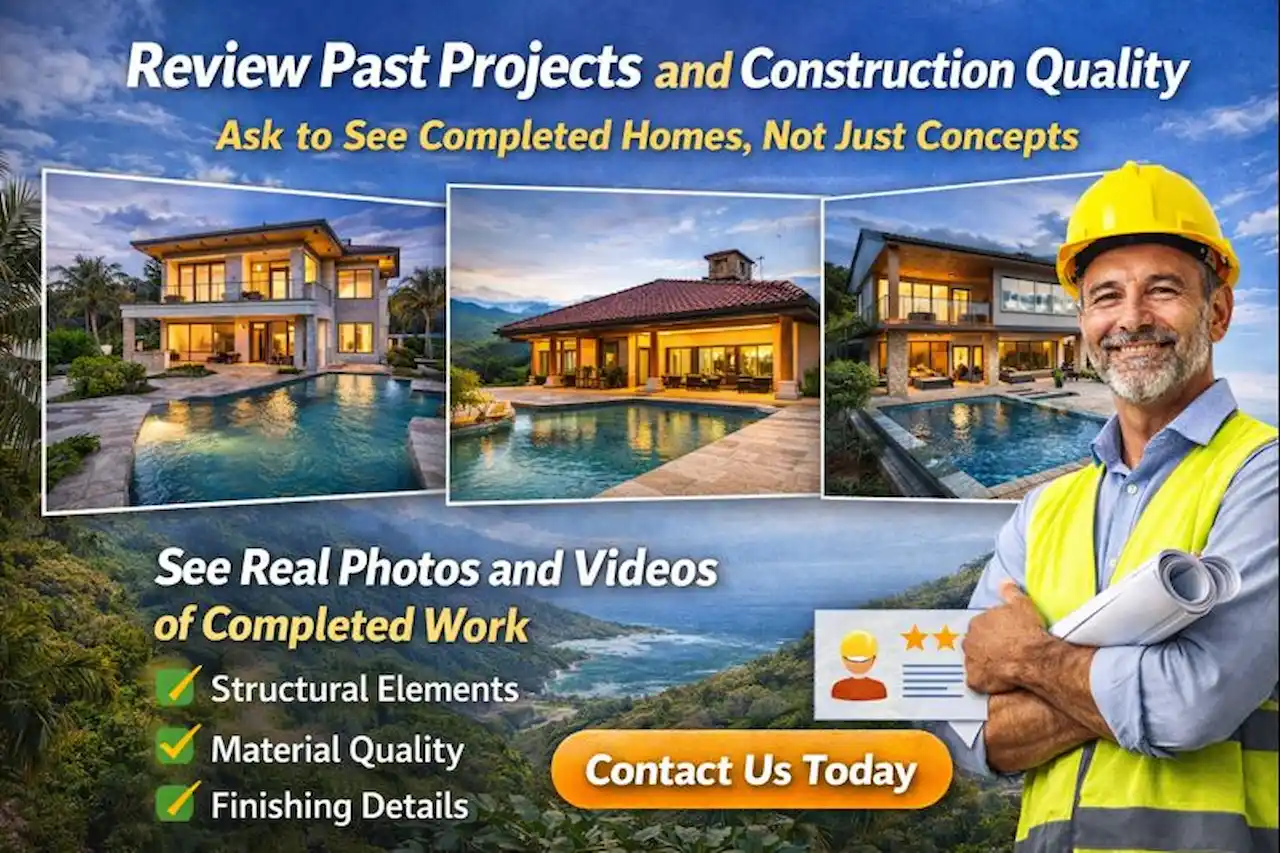
One of the best ways to judge a builder is by reviewing their previous work. Ask to see completed homes, not just concept images. Photos and videos of real projects help you understand the quality of construction, finishing details, and overall workmanship.
Review Past Projects and Construction Quality

Pay attention to structural elements, materials used, and finishing quality. Reliable builders are proud of their work and are transparent about their portfolio. If possible, ask for client references or testimonials to learn about their experience working with the builder.

Understand How Permits and Approvals Are Handled

Permits are a critical part of building a home in Costa Rica. A reliable home builder should manage or coordinate the permit process properly. This includes architectural approval, engineering review, and municipal authorization.

Ask the builder how they handle permits and what their role is in the process. Professional builders explain timelines clearly and inform you about potential delays. They never recommend building without permits, as this can lead to fines, legal problems, or even demolition orders.

A builder who understands local regulations reduces stress and ensures your home is built legally and safely.

Evaluate Cost Transparency and Budget Planning

Clear pricing is one of the strongest signs of a reliable home builder. Professional builders provide detailed cost estimates that explain what is included in the construction budget.

Ask for a clear scope of work and payment schedule. Understand what materials are included and what may cost extra. Avoid builders who offer vague pricing or extremely low estimates without explanation.

Budget friendly home builder options exist, but reliability comes from honesty and clarity, not unrealistic promises. A transparent budget helps prevent disputes and unexpected expenses later.

Ask About Project Management and Communication

Good communication is essential during construction. Ask how the builder manages projects and communicates with clients. Reliable builders provide regular updates, progress reports, and visual documentation such as photos or videos.

If you are building from abroad, communication becomes even more important. Builders experienced with foreign clients often offer structured updates and clear points of contact. This ensures you stay informed and confident even if you are not physically present.

Poor communication early on often leads to bigger problems during construction.

Check Materials and Construction Standards

Costa Rica has a tropical climate that requires specific construction techniques and materials. Reliable builders choose materials that resist humidity, corrosion, and wear.

Ask what materials they use and why. A professional builder explains their choices clearly and focuses on long term durability, not just initial cost. Construction quality should meet both safety standards and comfort expectations.

Using proper materials protects your home and reduces maintenance costs in the future.

Be Careful with Very Low Price Offers

Price is important, but it should not be the only factor. Extremely low quotes often indicate poor quality, missing services, or hidden costs. These projects frequently end up costing more in the long run.

A reliable home builder focuses on value, quality, and transparency. They explain how costs are calculated and what you are paying for. Choosing the cheapest option without understanding the details can lead to serious issues.

Always compare multiple offers and evaluate what is included in each one.

Importance of Written Contracts and Clear Agreements

Everything should be documented in writing. A professional builder provides clear contracts that define scope, timelines, payment schedules, and responsibilities.

Never rely on verbal agreements. Written documentation protects both parties and ensures expectations are aligned. Reliable builders welcome formal contracts because they reflect professionalism and accountability.

If a builder avoids contracts or pressures you to proceed quickly without documentation, it is best to walk away.

Choosing a Builder Who Understands Foreign Clients

Many people building in Costa Rica are not local residents. A reliable home builder understands the needs and concerns of foreign clients. This includes clear language communication, cultural understanding, and experience managing projects remotely.

Builders who work regularly with international clients know how to provide transparency and reassurance. This reduces misunderstandings and helps the project move forward smoothly.

Choosing a builder with this experience is especially important if you are unfamiliar with local construction practices.

Conclusion

Choosing a reliable home builder in Costa Rica is one of the most important decisions you will make when planning your construction project. A good builder does more than construct walls and roofs. They guide you through the entire process, protect your budget, and ensure your home is built safely and legally.

By taking the time to verify experience, legal registration, construction quality, communication style, and cost transparency, you greatly reduce the risk of problems. Understanding how permits work, how materials are selected, and how projects are managed helps you make confident decisions.

Whether you are building your primary residence, a vacation home, or an investment property, working with the right construction company ensures peace of mind. A reliable home builder in Costa Rica turns your vision into a durable, comfortable, and long lasting home that meets both local standards and your personal expectations.

Why Choose Us

Building a home is a major investment, and choosing the right team makes all the difference. Our approach focuses on transparency, quality, and trust from the first conversation to project completion.

We offer full service home construction solutions, managing everything from design and engineering to permits and construction. This integrated approach reduces delays, controls costs, and ensures clear accountability throughout the project.

Our team understands Costa Rica construction regulations, climate challenges, and regional building requirements. We use proven materials and construction methods that are suited for long term durability in tropical conditions.

Clear communication is a priority. Clients receive consistent updates, progress visibility, and honest timelines. This is especially important for clients building from abroad, as it allows them to stay informed and confident at every stage.

We focus on quality workmanship, realistic budgeting, and written agreements that protect our clients. Our goal is not just to build houses, but to build lasting trust and successful long term relationships.

Frequently Asked Questions

How do I know if a home builder in Costa Rica is reliable?

A reliable builder is legally registered, has proven experience in Costa Rica, provides clear contracts, and communicates openly. They are willing to show completed projects and explain the construction process in detail.

Can foreigners hire a home builder in Costa Rica?

Yes, foreigners can hire home builders in Costa Rica. It is important to choose a builder experienced with international clients who understands how to manage projects remotely and communicate clearly.

How long does it take to build a home in Costa Rica?

Construction timelines vary depending on design complexity, location, permits, and weather. A reliable home builder provides realistic timelines and keeps clients informed of any changes.

What permits are required to build a home in Costa Rica?

Building permits are required and must be approved by local municipalities. These include architectural and engineering approvals. A professional builder helps manage or coordinate this process properly.

Is it risky to build a home in Costa Rica?

Building a home is safe when you work with experienced and legally compliant professionals. Most problems occur when people choose unlicensed builders or skip permits to save time or money.

How can I avoid budget overruns during construction?

Clear cost estimates, written contracts, and realistic planning help avoid budget overruns. Reliable builders explain costs upfront and communicate any changes before proceeding.

Should I choose the cheapest home builder?

Choosing the cheapest option can lead to quality issues and hidden costs. It is better to focus on value, transparency, and long term durability rather than the lowest price.

How do builders handle communication during construction?

Professional builders provide regular updates, progress photos, and clear points of contact. This is especially important for clients who are not living in Costa Rica during construction.

What materials work best for homes in Costa Rica?

Materials that resist humidity, corrosion, and heat perform best in Costa Rica. Reliable builders select materials based on climate conditions and long term performance, not just initial cost.

Do I need a contract before starting construction?

Yes, everything should be documented in writing. A clear contract protects both the homeowner and the builder and ensures expectations are aligned from the beginning.

Best Construction Materials for Coastal Homes in Costa Rica | Expert Guide

Building a home near the ocean is a dream for many people, especially in a beautiful country like Costa Rica. Coastal areas offer stunning views, fresh air, and a relaxed lifestyle. However, constructing a home close to the sea is very different from building in inland areas. The coastal environment brings unique challenges that must be addressed from the very beginning. Salt air, high humidity, strong winds, heavy rainfall, and intense sun exposure can all affect the durability and safety of a home.

Choosing the best construction materials for coastal homes in Costa Rica is one of the most important decisions in the entire building process. The right materials protect the structure, reduce maintenance costs, and increase the lifespan of the property. On the other hand, poor material choices can lead to corrosion, mold growth, structural damage, and expensive repairs within just a few years.

Costa Rica has a tropical climate, and its coastal regions are especially demanding on building materials. Homes near the ocean must be designed and built with materials that can withstand moisture, salt, heat, and constant environmental exposure. This guide explains everything you need to know about selecting construction materials for coastal homes. It is written in simple language so even someone new to coastal construction Costa Rica can understand it easily.

Understanding the Coastal Environment in Costa Rica

Before selecting any construction materials, it is important to understand the coastal environment in Costa Rica. Coastal regions experience higher humidity levels compared to inland areas. The air contains salt particles that travel inland from the ocean, settling on buildings and materials. Over time, salt exposure can cause metals to rust, concrete to weaken, and finishes to deteriorate.

Heavy rainfall is common, especially during the rainy season. Moisture can penetrate walls, roofs, and foundations if materials are not chosen carefully. Strong coastal winds can also place pressure on roofs, windows, and exterior walls. In addition, constant sunlight and heat can cause materials to expand, fade, or crack.

Because of these conditions, coastal home construction Costa Rica requires materials that are moisture resistant, salt resistant, and durable enough to handle year round exposure. Understanding these environmental factors helps homeowners make smarter decisions and avoid common construction problems.

Why Material Selection Is Critical for Coastal Homes

Material selection plays a major role in the long term success of any coastal home. Even a well designed house can fail if the wrong materials are used. Salt corrosion is one of the biggest threats to coastal homes. Metal components such as fasteners, reinforcements, and frames can corrode quickly if they are not properly treated or made from suitable materials.

Moisture is another serious concern. High humidity and rain can lead to mold growth, wood rot, and interior damage. Materials that absorb water easily or dry slowly can weaken over time. This not only affects the structure but also impacts indoor air quality and comfort.

Using the best materials for beach houses in Costa Rica helps reduce maintenance costs, improves energy efficiency, and protects property value. Durable materials also provide peace of mind, knowing that the home is built to handle the coastal environment safely and effectively.

Best Foundation Materials for Coastal Homes

The foundation is the base of any home, and in coastal areas, it must be strong and moisture resistant. Concrete is the most commonly used foundation material for coastal homes in Costa Rica. Reinforced concrete performs well in humid environments when properly designed and sealed.

Using high quality concrete mixes with proper curing techniques is essential. Additives that reduce water absorption can further improve durability. Elevated foundations are also popular in coastal areas, as they help protect the home from flooding, surface water, and moisture buildup.

Foundations should be designed by experienced engineers who understand local soil conditions. Coastal soils can vary greatly, and proper site evaluation ensures long lasting stability. Choosing the right foundation materials sets the stage for a durable and safe coastal home.

Concrete as a Primary Structural Material

Concrete is one of the best construction materials for coastal homes in Costa Rica due to its strength and versatility. When reinforced correctly, concrete can resist moisture, heat, and strong winds. It is also less vulnerable to pests compared to traditional wood framing.

For coastal construction Costa Rica, reinforced concrete structures should use corrosion resistant steel reinforcements. Proper concrete cover over steel is essential to prevent salt air from reaching the metal. High quality concrete sealing helps reduce water penetration and surface cracking.

Concrete walls and slabs also provide excellent thermal mass, helping maintain comfortable indoor temperatures. This makes concrete a reliable and long lasting option for seaside home durability materials.

Corrosion Resistant Steel and Reinforcement Options

Steel is widely used in construction, but not all steel is suitable for coastal environments. Regular steel can corrode quickly when exposed to salt air. For this reason, corrosion resistant steel options should always be used for coastal homes.

Galvanized steel, epoxy coated rebar, and stainless steel are commonly recommended materials for coastal houses. These materials offer better protection against rust and structural weakening. While they may cost more upfront, they significantly reduce long term repair expenses.

Using the right steel reinforcement is critical for foundations, columns, beams, and structural connections. Expert recommended materials for coastal homes always prioritize corrosion resistance to ensure safety and durability.

Durable Wall Systems for Coastal Houses

Wall systems in coastal homes must resist moisture, salt exposure, and temperature changes. Concrete block walls are a popular choice due to their strength and resistance to environmental damage. When properly sealed and finished, they provide excellent protection against moisture intrusion.

Insulated concrete forms are another strong option. They combine structural strength with improved energy efficiency. These systems help regulate indoor temperatures while maintaining durability in humid coastal climates.

Exterior wall finishes should include moisture barriers and breathable coatings. This allows walls to release trapped moisture while preventing water from entering. Selecting the right wall systems is essential for building homes near the ocean Costa Rica.

Roofing Materials That Withstand Coastal Conditions

The roof is one of the most exposed parts of a coastal home. It must handle strong winds, heavy rain, intense sun, and salt air. Metal roofing made from corrosion resistant materials is a popular choice for coastal construction.

Aluminum and coated steel roofing systems offer excellent durability and long lifespans. Clay and concrete tiles are also commonly used, as they resist moisture and heat well. However, they must be installed correctly to withstand high winds.

Proper roof design, including slope and drainage, helps prevent water accumulation. Choosing the best materials for beach houses near the ocean ensures long term protection and reduced maintenance.

Moisture Resistant Flooring Materials

Flooring materials in coastal homes should be resistant to moisture and humidity. Natural stone, ceramic tile, and porcelain tile are excellent choices for coastal environments. These materials do not absorb moisture easily and are simple to maintain.

Polished concrete flooring is another durable and budget friendly coastal construction material. It performs well in humid conditions and adds a modern look to coastal homes. Engineered wood products can also be used if they are properly treated and installed.

Avoiding materials that warp or swell in moisture is important. Selecting moisture resistant flooring improves indoor comfort and extends the life of the home.

Windows and Doors for Coastal Durability

Windows and doors play a major role in protecting a coastal home from wind, rain, and salt air. Aluminum frames with protective coatings are commonly used due to their corrosion resistance. High quality vinyl frames also perform well in coastal conditions.

Impact resistant glass is highly recommended for coastal homes in Costa Rica. It provides protection against strong winds and flying debris while improving security. Proper sealing and installation prevent water leaks and air infiltration.

Choosing the right windows and doors enhances energy efficiency and protects interior spaces from harsh coastal elements.

Exterior Finishes and Protective Coatings

Exterior finishes are the first line of defense against coastal weather. Stucco with proper sealing is widely used for coastal homes. It offers durability and aesthetic flexibility while protecting underlying materials.

Paints and coatings designed for humid coastal climates should always be used. These coatings resist mold growth, fading, and moisture penetration. Regular maintenance and inspection help extend the lifespan of exterior finishes.

Protective coatings are essential for exposed concrete, metal, and wood surfaces. Using the right finishes helps maintain the appearance and integrity of coastal homes.

Sustainable and Cost Effective Material Choices

Sustainability is becoming increasingly important in coastal construction Costa Rica. Many homeowners seek cost effective materials that are also environmentally responsible. Locally sourced materials reduce transportation costs and environmental impact.

Concrete, stone, and responsibly sourced wood can be used sustainably when managed correctly. Energy efficient materials also reduce long term utility costs and improve comfort.

Budget friendly coastal construction materials should never compromise quality. Choosing durable materials from the start saves money over time and supports sustainable building practices.

Importance of Professional Material Selection

Selecting the best construction materials for coastal homes in Costa Rica requires professional guidance. Architects, engineers, and builders with coastal experience understand local climate challenges and building regulations.

Professional teams evaluate site conditions, material compatibility, and long term performance. They also ensure that materials meet safety standards and permit requirements. Expert recommended materials for coastal homes are chosen based on experience and proven performance.

Working with professionals reduces risk and ensures that the home is built to last in a demanding coastal environment.

Conclusion

Building a home near the ocean in Costa Rica requires careful planning, expert knowledge, and the right material choices. The coastal environment is beautiful, but it is also demanding. Salt air, humidity, strong winds, and heavy rainfall can cause serious damage if construction materials are not selected correctly. This is why understanding and choosing the best construction materials for coastal homes in Costa Rica is essential for long term durability and comfort.

From strong foundations and reinforced concrete structures to corrosion resistant steel and moisture resistant finishes, every material plays a critical role. Roofing systems, wall assemblies, flooring, windows, and exterior coatings must all work together to protect the home from environmental exposure. Sustainable and cost effective materials also help reduce long term maintenance costs while supporting responsible building practices.

When the right materials are combined with professional design and construction expertise, coastal homes can remain strong, beautiful, and functional for decades. Proper material selection is not just a construction decision. It is an investment in safety, longevity, and peace of mind.

Why Choose Us

Choosing the right construction partner is just as important as choosing the right materials. Coastal home construction in Costa Rica requires deep local knowledge and hands on experience. We understand the challenges that coastal environments present and design homes that are built to perform in these conditions.

Our team specializes in selecting expert recommended materials for coastal homes that are proven to withstand salt air, moisture, and tropical weather. We manage every stage of the process, from site evaluation and material selection to construction and final delivery. This ensures that all materials are compatible, compliant with local regulations, and installed correctly.

We work closely with international clients and provide clear communication throughout the project. Our in house capabilities allow us to maintain quality control and consistency at every level. By focusing on durability, sustainability, and smart design, we help clients build coastal homes that are both beautiful and long lasting.

When you choose us, you are choosing experience, transparency, and a commitment to building coastal homes that truly stand the test of time.

Frequently Asked Questions

What are the best construction materials for coastal homes in Costa Rica

The best construction materials include reinforced concrete, corrosion resistant steel, moisture resistant wall systems, durable roofing materials, and protective exterior finishes. These materials are designed to handle salt exposure, humidity, and strong coastal weather conditions.

Why is concrete commonly used in coastal home construction

Concrete is widely used because it offers strength, durability, and resistance to moisture and pests. When properly reinforced and sealed, concrete performs exceptionally well in coastal environments and provides long term structural stability.

How does salt air affect building materials

Salt air accelerates corrosion in metals and can weaken untreated materials over time. This is why corrosion resistant materials and protective coatings are essential for building homes near the ocean in Costa Rica.

Are metal roofs suitable for coastal homes

Yes, metal roofs made from aluminum or coated steel are excellent for coastal homes. They resist corrosion, handle strong winds, and have long lifespans when installed correctly.

What flooring materials work best in humid coastal climates

Natural stone, ceramic tile, porcelain tile, and polished concrete are ideal flooring options. These materials resist moisture and do not warp or swell in humid conditions.

Can sustainable materials be used for coastal homes

Yes, sustainable and locally sourced materials can be used effectively when chosen carefully. Durable materials reduce maintenance needs and support environmentally responsible construction practices.

How important is professional guidance when choosing materials

Professional guidance is extremely important. Experts understand local climate conditions, building codes, and material performance. This ensures that the best materials for beach houses in Costa Rica are selected and installed correctly.

Do coastal homes require more maintenance

Coastal homes can require more maintenance if the wrong materials are used. However, with proper material selection and protective finishes, maintenance needs can be minimized significantly.

Designing Building a Home in Guanacaste

Designing & Building a Home in Guanacaste: What You Need to Know

For many people, the dream begins the same way. You’re standing on a ridge above Tamarindo, or maybe on a quiet beach near Playa Hermosa, and you can’t help but imagine it—a home here. Not a rental, not a hotel, but a space that belongs to you.

The idea feels exciting, maybe even a little daunting. Because designing and building in Guanacaste isn’t just about creating a house. It’s about weaving your life into a region with its own rhythms, its own challenges, and its own rewards.

Why Guanacaste Feels Different

Costa Rica has many regions, but Guanacaste stands out. The province has a dry season that paints hills golden, a rainy season that brings them roaring back to green. Winds off the Pacific can be both refreshing and, at times, demanding.

Homes here need to respond to that. Wide roof overhangs to protect terraces. Open spaces for airflow. Materials that stand up to salt and humidity. It’s not just architecture—it’s adaptation. And that’s what makes designing and building in Guanacaste unique compared to other parts of the country.

Where It All Starts: The Land

Before sketches and floor plans, there’s the lot. It’s tempting to fall for the view first—who wouldn’t? But the real questions run deeper. Is the title clean? Is there water access? What’s the slope of the land?

The first time I looked at property here, I’ll admit, I didn’t even know what to ask. A hillside with sweeping ocean views looked perfect, until I learned about the cost of stabilizing soil for construction. That’s where experienced builders make the difference. They don’t just design; they help you choose wisely.

👉 Explore how we guide clients building in Costa Rica with confidence by evaluating land before design begins.

Designing for Lifestyle

Once the land is secure, the design can begin. And this is where it gets personal.

For families, homes might emphasize shared spaces, shaded patios where kids can play safely, or flexible rooms that grow with changing needs. For expats, the question often becomes: will this house double as a rental when we’re abroad? If so, design choices shift—extra bedrooms, private guest suites, or a pool layout that appeals to visitors.

Designing and building in Guanacaste isn’t one-size-fits-all. It’s more like a conversation between what you picture in your head and what the land, climate, and culture suggest.

👉 See examples of our custom home designs in Costa Rica tailored to fit both lifestyle and location.

Modern or Traditional—or Both?

Here’s where things get interesting. Some clients lean toward modern: glass walls, clean lines, infinity pools that blur into the horizon. Others prefer traditional: clay-tile roofs, wooden beams, rustic courtyards.

But often the best projects combine the two. A contemporary open floor plan with a traditional roofline. A rustic stone terrace leading to a modern kitchen. In Guanacaste, design isn’t about strict categories. It’s about balance.

Engineering and Permits

Behind every graceful arch or wide terrace are engineers making sure it all works. Soil testing, structural stability, drainage—all of it matters here. Add to that the bureaucracy: municipal permits, environmental approvals, and utility connections.

For someone new to the country, this part can feel overwhelming. Trusted builders don’t just design; they navigate paperwork, often smoothing the process so construction doesn’t stall halfway through.

👉 Learn more about our turnkey construction services that handle permits, engineering, and building under one roof.

Construction in Action

This is where excitement meets reality. The ground breaks, foundations are poured, walls rise. And if you’re living abroad during the process, it’s also where trust matters most.

Finish Touch Enterprises manages construction from start to finish, even running its own woodshop for custom cabinetry and furniture. That kind of integration makes a difference. When everything is coordinated in-house, designs don’t get lost in translation.

Of course, there are still challenges. Rainy seasons slow progress, and materials sometimes need to be changed. But experienced teams adapt. They communicate, send updates, adjust timelines, and keep projects moving.

Outdoor Living: More Than a Feature

If you’ve spent even a few weeks here, you know outdoor living isn’t optional—it’s central. Terraces become living rooms. Pools are often the focal point. Even kitchens spill outside.

That’s why designing and building in Guanacaste always includes outdoor space as part of the plan, not as an add-on. It’s about creating homes that embrace the climate rather than fight it.

👉 Discover our pool design and construction services, which make outdoor spaces as functional as interiors.

Considering Investment Potential

For expats especially, there’s a practical side to building. Homes here often double as vacation rentals, generating income when owners aren’t around. A design that feels personal but also appeals to guests—extra bedrooms, a stunning pool, a location near beaches—adds value in more ways than one.

That’s another reason designing and building in Guanacaste requires careful thought. The right design can give you both a retreat and an investment.

Honest Realities

No build is perfect. Delays happen. Budgets shift. Weather interrupts. These things are part of the process.

But what separates trusted builders is how they handle it. Do they communicate clearly? Do they anticipate problems instead of hiding them? Experience, in this region especially, makes all the difference.

👉 See how we’ve earned trust over 40 years by guiding families and expats through residential construction in Costa Rica.

Why Finish Touch?

Plenty of companies offer design or construction. Fewer manage the entire process—land checks, design, engineering, permits, construction, finishes—all under one roof. That integration matters. It keeps your vision intact from the first sketch to the final set of keys.

For families, it means a home shaped around daily life. For expats, it means fewer sleepless nights, knowing someone is managing the details on the ground. And for anyone, it means the dream of living in Guanacaste feels less like a gamble and more like a guided path.

Conclusion: A Home That Belongs

At its core, designing and building in Guanacaste isn’t just about architecture. It’s about creating a place that belongs to the land, to the culture, and to you.

A terrace where mornings feel endless. A pool that turns afternoons into gatherings. A view that never really gets old. With Finish Touch Enterprises, those details don’t happen by accident. They’re designed, built, and handed over with care.

If you’ve been standing on a lot here, wondering what it would take to make the dream real, maybe the first step is just starting the conversation. From there, the process unfolds—sometimes slower than you’d hope, sometimes faster than you expect—but always toward the same goal: a home that feels truly yours.

Expat home building in Costa Rica

The Expat’s Guide to Building a Home in Costa Rica

It usually begins the same way. You’re in Costa Rica on vacation—maybe in Guanacaste, maybe somewhere in the lush Central Valley—and you think, what if I lived here? At first, it’s a passing thought, something you tuck away when you get back on the plane. But for many expats, the thought doesn’t fade. It grows until one day you’re scrolling through land listings or talking to a builder about possibilities.

That’s where reality sets in. Expat home building in Costa Rica isn’t as simple as signing a contract and waiting for the keys. It comes with its share of questions, challenges, and decisions. But the good news? It’s entirely possible—and for many, deeply rewarding.

This guide doesn’t promise perfection. Instead, it walks you through what you need to know, the things that matter most, and the small details that can make or break your experience.

Why Expats Choose to Build Instead of Buy

Buying an existing home is the obvious shortcut. No waiting, no blueprints, no dealing with permits. But for expats, building often makes more sense.

Why? Because building gives you control. You can design for your lifestyle, not someone else’s. Single-level layouts if stairs are a concern. Extra guest suites if family visits. Pools, shaded terraces, open kitchens—all crafted to your preferences.

And perhaps most importantly, building means designing for the environment. Homes in Costa Rica need to breathe with the climate, resist humidity, and embrace outdoor living. That’s tough to retrofit into a prebuilt house.

👉 Explore our custom home designs in Costa Rica to see how expats create homes that suit both lifestyle and environment.

Step One: The Land

Every dream starts with land. But here’s where many expats stumble. That ocean-view lot might be stunning, but does it have water access? Is the title clean? What about zoning restrictions?

The first property I looked at years ago was gorgeous—until I learned it wasn’t legally registered. That’s a common mistake. The smart approach is to work with builders who evaluate land before you buy. They know the questions to ask and the pitfalls to avoid.

👉 See how we guide expats building in Costa Rica with confidence by starting with land checks and due diligence.

Step Two: Design with Purpose

Design is exciting, but it’s also practical. Expats need to consider:

  • Will the home double as a rental?
  • Do you plan to live full-time or part-time?
  • Is accessibility important now—or will it be in the future?

Expat home building in Costa Rica is about blending lifestyle with foresight. Maybe you want modern glass walls and infinity pools, or maybe you prefer traditional clay-tile roofs and shaded verandas. The best designs often mix the two.

👉 Browse our home designs in Guanacaste that merge modern comfort with Costa Rica’s traditional character.

Step Three: Permits and Paperwork

This is where patience gets tested. Costa Rican construction requires permits from municipalities, environmental studies, and water permissions. Each step has its own rhythm, and rushing rarely helps.

The key is having a builder who knows the system. Experienced teams navigate the process daily, so they know how to avoid unnecessary delays. For expats, especially those living abroad during the process, that’s peace of mind you can’t put a price on.

👉 Our turnkey construction services handle permits, engineering, and building under one roof.

Step Four: Construction in Motion

Breaking ground is exciting—but also nerve-wracking if you’re not here. Tropical rains slow progress, materials sometimes shift, and communication becomes everything.

The advantage of working with an integrated builder is that architects, engineers, and craftsmen are all aligned. At Finish Touch Enterprises, even the woodshop is in-house, producing custom cabinets, doors, and furniture that match your design. No waiting on imports. No juggling contractors.

This integration is why so many expats choose to build with a full-service company.

Outdoor Living Comes First

In Costa Rica, the outdoors isn’t an afterthought. It’s a lifestyle. Patios, terraces, pools, and gardens are as important as kitchens and bedrooms.

When designing, outdoor living spaces need as much attention as interiors. Shaded terraces for mornings, pools for afternoons, open gardens for evenings—it’s what makes the difference between a house that works and a house that feels alive.

👉 See our pool design and construction services that bring outdoor living into every home.

The Investment Factor

For many expats, building isn’t only about living here—it’s about long-term value. A well-designed home in Guanacaste or the Central Valley can become a strong rental property. Features like extra bedrooms, modern amenities, and a pool add appeal.

The smartest designs balance personal comfort with investment potential. That way, the house works for you whether you’re here or abroad.

A Few Honest Realities

It’s tempting to imagine a smooth journey. But construction here comes with delays, shifting budgets, and the unpredictability of weather. That’s not a reason to avoid building—it’s just a reality to accept.

What matters is choosing a builder who communicates clearly, adapts quickly, and stands by the process. That makes the difference between frustration and fulfillment.

Why Finish Touch Enterprises?

Experience matters. With over 40 years in the industry, Finish Touch has guided families and expats through every stage—from evaluating land to handing over keys. Their integrated model keeps vision consistent and stress low.

That’s why they’re trusted by so many expats embarking on the journey of home building in Costa Rica.

Conclusion: Turning the Dream Into Reality

At its core, expat home building in Costa Rica isn’t about blueprints or walls. It’s about shaping a life. It’s mornings on a terrace, afternoons in the pool, evenings when the air cools and the house feels like it belongs here—and to you.

If you’ve been carrying this dream, maybe the next step is simply starting a conversation. From there, the process unfolds, one step at a time, until the dream is no longer a thought but a door you open.

Frequently Asked Questions

  1. Can expats legally own property in Costa Rica?
    Yes. Foreigners have the same property rights as locals, except in certain maritime zones.
  2. How much does it cost to build a home in Costa Rica?
    On average, quality builds range from $1000–$1700 per square meter, depending on design and finishes.
  3. Do I need residency to build a home?
    No. You can buy land and build without residency, though residency makes living here full-time easier.
  4. How long does construction take?
    Most projects take 12–18 months, depending on permits, design complexity, and weather.
  5. Why should expats choose an integrated builder?
    Because it reduces delays, keeps vision consistent, and ensures communication is clear—especially if you’re abroad during construction.

Call to Action

Ready to bring your dream of living in Costa Rica to life?
👉 Contact Finish Touch Enterprises today for a consultation. From land checks to custom design and full construction, we help expats turn visions into homes.

House Construction Cost in Costa Rica

How Much Does It Cost to Build a Home in Costa Rica in 2025?

Anyone considering a move to Costa Rica eventually asks the same essential question: How much does it really cost to build a home here? It’s a practical concern, and the answer varies depending on who you ask. That’s because home construction costs in Costa Rica depend on more than square meters—they depend on location, design, materials, and the team you choose to build with.

If 2025 is the year you’re ready to turn your ideas into an actual plan, this guide offers a clear look at construction costs, hidden expenses, and the factors that influence your final budget. With insights from decades of building experience, you’ll gain a realistic understanding of what it takes to build a quality home in Costa Rica.

Why Construction Costs Vary So Much in Costa Rica

There is no single price tag for construction, because building conditions differ dramatically across the country. A home in Guanacaste does not cost the same as a home in the Central Valley, just as a compact villa differs from a luxury home with imported finishes.

Location plays a major role. Coastal regions often require transporting materials longer distances, while remote areas may need additional labor or specialized equipment. Meanwhile, urban or central locations—like the Central Valley—tend to benefit from easier access to suppliers and lower delivery costs.

Design also influences cost. A simple two-bedroom layout may be straightforward and affordable, while modern structures with large glass panels, double-height spaces, or advanced engineering require higher investment. Materials can shift the budget as well; locally sourced finishes help control costs, while imported marble or high-end fixtures increase them significantly.

Finally, the builder you select impacts your expenses more than many people realize. Some contractors quote low numbers upfront but add change orders later. Experienced builders with integrated services—design, engineering, permits, and construction—reduce the likelihood of “surprises” that inflate your budget.

Average Cost Per Square Meter in Costa Rica (2025 Estimates)

For a quality build in Costa Rica, most homes fall between $1,000 and $1,700 per square meter. This range helps future homeowners estimate budgets based on design goals rather than guessing blindly.

A typical mid-range home of around 200 m² (roughly 2,150 sq ft) may cost between $260,000 and $300,000, not including land, permits, or exterior work. Understanding this baseline helps you plan realistically and allocate funds wisely.

👉 See how our turnkey construction services streamline budgeting and reduce unexpected costs.

The “Extra” Costs Many New Builders Overlook

It’s common for new home builders to focus on the structure itself, but some of the most important costs come from what surrounds the home. Land preparation, for example, may require clearing, grading, or stabilizing certain areas, especially in hillside locations. Permits and approvals also add up, including environmental reviews and municipal fees.

Utilities are another essential factor. Depending on your lot, connecting to electricity, water, and wastewater systems may require additional work or fees. Outdoor living spaces—pools, terraces, pathways, and landscaping—should not be considered optional in Costa Rica. They are part of the lifestyle, and they make a home more comfortable and enjoyable.

Custom finishes such as quality cabinetry, natural stone, or hardwood details enhance the home but also add to the total investment. Many homeowners underestimate these items and later realize they can contribute an additional 15–25% to the base construction cost.

👉 Explore our pool design and construction services, essential for maximizing comfort in Costa Rica’s warm climate.

How Location Influences Cost More Than You Think

Costa Rica’s diverse geography means that building the same house in two different regions will not cost the same. Guanacaste’s coastal zones, for example, offer stunning views but often require longer transportation routes for materials and sometimes more robust structural engineering due to wind and salt exposure.

The Central Valley, on the other hand, typically has easier access to suppliers, which can lower transportation and labor costs. Remote areas—beautiful and tranquil as they are—often involve logistical challenges that increase the budget. Working with a builder familiar with regional conditions helps minimize unnecessary expenses and ensures proper planning from the beginning.

Modern or Traditional? How Design Affects Your Budget

Your preferred architectural style has a direct impact on cost. Modern homes often incorporate expansive glass walls, steel framing, imported finishes, and complex engineering, all of which elevate the budget. Traditional Costa Rican or tropical designs, which use local materials such as wood beams, clay tile roofs, and stone elements, tend to offer a balance between beauty and affordability.

Some of the most successful designs blend both styles—modern layouts that maximize light and space, paired with traditional finishes that add warmth and reduce expenses. This approach brings comfort, longevity, and value without pushing the project into luxury pricing.

👉 Browse our custom home designs to compare modern, traditional, and blended architectural options.

How Integrated Services Prevent Costly Surprises

One of the biggest frustrations expats face when building in Costa Rica is the sudden introduction of extra costs during construction. A delayed permit, a missing document, a subcontractor fee, or a material shortage can quickly change the financial picture.

This is why integrated construction services matter. When one company handles land evaluation, architectural design, engineering, permits, construction, and finishes, there is greater accountability, fewer delays, and significantly fewer unexpected costs. Integrated builders also optimize communication, which is crucial for clients managing their project from abroad.

Finish Touch Enterprises has followed this integrated model for more than 40 years, ensuring predictable budgets and stress-free building experiences.

A Realistic Construction Timeline in Costa Rica

Beyond the financial investment, building a home requires time. Most projects in Costa Rica take between 12 and 18 months from the design phase to final delivery. Trying to rush a build often leads to mistakes or additional expenses later. Weather conditions, permit timelines, and supply chain logistics influence how smoothly the process unfolds, and experienced builders factor these elements into the timeline from the start.

Builders who promise unusually fast turnaround times often compensate later with change orders or increased labor charges. Choosing a realistic, transparent timeframe is one of the most effective ways to control total costs.

Conclusion: Plan Wisely and Build Confidently

So, what is the true house construction cost in Costa Rica? The honest answer is that it depends on the choices you make and the professionals you work with. If you plan around $1,200 to $1,500 per square meter for a high-quality home and keep a 20% cushion for additional items such as earthworks, permits, and outdoor spaces, you’ll be positioned for success.

Building in Costa Rica should feel like an investment in your future—not a financial gamble. With transparent guidance, experienced builders, and thoughtful planning, the home you envision can become a reality you enjoy every day.

Frequently Asked Questions

What is the average construction cost in Costa Rica in 2025?
Most quality homes cost between $1,000 and $1,700 per square meter.

Is it cheaper to build or buy a home?
Building is often more cost-effective for expats because it eliminates the need for expensive renovations or retrofitting.

Do I need residency to build a home in Costa Rica?
No. Foreigners can buy land and build without residency.

Which additional costs should I expect?
Permits, land preparation, utility connections, outdoor living spaces, and custom finishes often add 15–25% to the base construction cost.

How can I keep my building costs under control?
Choose an integrated builder who manages design, engineering, permitting, and construction within one coordinated team.

Ready to Discover Your Real Building Cost?

Your dream home in Costa Rica begins with clarity and expert guidance. Whether you’re evaluating land, budgeting your project, or designing your ideal home, we’re here to help.

👉 Contact Finish Touch Enterprises today for a detailed consultation and transparent cost estimate. From land checks to turnkey construction, we help you build with confidence.

How to Hire a Contractor in Costa Rica: The 2026 Comprehensive Guide

Step-by-Step Guide to Building a House in Costa Rica with Finish Touch

I think most people who’ve visited Costa Rica have had the same thought at least once: what if I lived here? Not just for a week. Not just for the vacation. But really lived here—in a house that felt like it belonged to the land, and in some small way, belonged to you.

That thought comes easy on a beach in Guanacaste or while driving through the green hills near San José. But then reality taps you on the shoulder. Building a house in Costa Rica? In a place where the laws, the climate, and even the building materials might be unfamiliar? Suddenly, the dream feels distant again.

Still… people do it. Every year, both foreigners and locals go through the process of building a home here. And while it isn’t always simple, it’s very possible—especially when you have the right team. That’s where Finish Touch Enterprises comes in. They’ve carved out their role as the guide who takes something overwhelming and breaks it down into clear, manageable steps.

So let’s walk through those steps. Not like a dry manual—because, honestly, who reads those?—but more like a conversation. Imagine us standing together on a hillside lot, trying to picture how this vague dream could turn into a real front door with keys in your hand.

Step 1: Choosing the Land

The very first decision isn’t the design or the pool—it’s the land. And this is where things get tricky. You might fall in love with an ocean-view property. Who wouldn’t? But is it legal to build on? Does it have access to water? Is the title clean?

The first time I looked at lots here, I barely knew what to ask. It’s easy to get swept away by the view and forget the basics. That’s why having Finish Touch involved early matters. They check zoning, verify ownership, confirm utilities—all the “boring” details that, in truth, make or break a project.

Skipping this step is the fastest way people lose money. Buying land without proper checks is like, well, building a house on sand. Literally and legally.

Step 2: Designing the Dream

Once the land is secure, this is where excitement takes over. Design. Most people already have Pinterest boards or magazines full of ideas—sleek infinity pools, open kitchens, balconies that stretch into the horizon.

But here’s what I didn’t realize at first: building a house in Costa Rica means designing differently. The tropical sun, heavy rains, and constant humidity all shape how a home should function. Ventilation is as important as square footage. Shaded terraces sometimes matter more than oversized living rooms.

Finish Touch doesn’t hand you cookie-cutter plans. They start with sample models—Casa Sol, Casa Palma, Casa Lujosa, names that sound like they belong on postcards—and then adapt. Want more glass? Done. Prefer more covered outdoor space? Also done.

And what’s reassuring is that their engineers—structural, civil, mechanical, even geological—are all in-house. You’re not waiting months for outside consultants. Everything comes together under one roof.

Step 3: Handling the Permits

Here’s the part where most people sigh: permits. Bureaucracy exists everywhere, and Costa Rica is no exception. Municipal approvals, environmental studies, water permissions—it’s a stack of documents taller than you expect.

This is where Finish Touch steps in again. They handle the process, navigating offices and approvals so your project doesn’t get stalled halfway through. For anyone planning on building a house in Costa Rica, this step can feel intimidating, but it’s essential. A missing stamp or overlooked form can freeze progress for months. With experienced hands, though, it moves forward.

Step 4: Construction in Motion

Finally—the part you imagine when you think of building a house in Costa Rica. The ground breaks, foundations are poured, walls rise where there was only sky. It’s thrilling and, let’s be honest, nerve-wracking too.

Construction isn’t clean. There’s noise, dust, and sometimes delays when rain pours for a week straight. But Finish Touch’s advantage is its turnkey approach. They design and build. They manage everything—from excavation to cabinetry—so you’re not juggling five different contractors who all point fingers when something goes wrong.

They even run their own woodshop. At first, that sounded like a small thing to me. But think about it: cabinets, doors, furniture—all custom-built to your design, right here, without import markups. It’s seamless, and it keeps costs predictable.

That kind of integration means fewer sleepless nights.

Step 5: Pools, Patios, and the Outdoors

In Costa Rica, the outdoors isn’t really “outside.” It blends with your living space. A terrace is another room, a pool another gathering spot.

Finish Touch treats pools and patios as central, not optional. Infinity pools that seem to melt into the ocean, family-friendly designs with playful curves, or square, modern layouts for lap swimming. They’re woven into the architecture from the start.

Inside, the same attention continues: stonework polished to handle humidity, decorative concrete that’s both durable and stylish, wood crafted to match the home’s personality. It’s these touches that give character.

If you’re thinking seriously about building a house in Costa Rica, don’t underestimate how much outdoor living will shape your daily life.

Step 6: The Keys

Eventually, the scaffolding disappears. The workers pack up. Silence returns. And there it is—your home, standing ready.

This is when Finish Touch hands you the keys. The idea is simple: you walk in and live. Not walk in and find unfinished punch lists taped to every wall. That’s what turnkey really means. For international clients, especially, it’s peace of mind. You’re not buying a project; you’re receiving a home.

Step 7: Living the Life (and the Investment)

One of the overlooked truths about building a house in Costa Rica is that it’s not just lifestyle—it can be a financial strategy. With tourism strong and rentals in demand, a well-built home often becomes a profitable investment.

Finish Touch keeps that in mind. They design homes that feel like retreats but also work as attractive vacation rentals. That flexibility means you can enjoy your property when you’re here, and let it earn income when you’re away. In time, it may even help cover the costs of ownership.

A Few Realities

To be honest, no construction process is perfect. Timelines stretch. Weather interrupts. Sometimes costs shift because materials need to change. Finish Touch’s experience helps them navigate these bumps, but expecting absolute perfection isn’t realistic.

The real value is knowing you have a team that’s solved these problems before. Forty years in the field means they’ve already handled challenges you might not even know exist. And they keep communication open—photos, updates, transparent budgets—so you’re never left wondering what’s happening.

Why Finish Touch?

Yes, there are other builders here. Plenty. But Finish Touch stands out because it integrates everything. They’re not just architects, or just contractors, or just consultants. They’re all of it.

When you’re building a house in Costa Rica, that integration matters. It means less confusion, fewer delays, and real accountability. From legal paperwork to woodshop finishes, everything connects under one roof.

Conclusion: From Dream to Doorstep

At the end of the day, building a house in Costa Rica isn’t only about bricks and roofs. It’s about taking a daydream and turning it into something tangible. Something you can open, walk into, and call yours.

Finish Touch Enterprises has built its reputation on guiding people through that transition. From choosing the lot to unlocking the front door, they make the journey less of a gamble and more of a guided path.

If you’ve been hesitating, maybe the first step is simpler than you think. Start with a conversation. Ask the questions. Imagine the possibilities. And let the process unfold, one step at a time, until the dream of Costa Rica isn’t just in your mind—it’s the view from your own terrace.

Balinese Bungalow, Bali style home design

Balinese Bungalow

Casa Bali Serenity is a Bali Villa Design that commits to a sanctuary of tranquility and natural beauty, designed with an irregular topography landscape that brings a fragrant aroma of tropical flowers, creating an atmosphere of peace and serenity.  Landscape plants and flowers that particularly attract tropical birds and small animals for a nature sharing experience.

Buy vs Build a House in Costa Rica: The 2026 Expert Guide

Costa Rica Retirement Homes for Sale | Build a Home in Costa Rica

Get access to the best Costa Rica retirement homes for sale by working with Finish Touch Enterprises, the top Costa Rica construction company.

We’ve been helping American ex-pats to create the home of their dreams for decades, and now we’re ready to help you build your own coastal oasis in paradise.

Why Costa Rica Is a Top Retirement Destination (2025 Overview)

Costa Rica has become one of the world’s most desired retirement destinations—not just for its peaceful lifestyle, but for its stability, climate, and affordability. With excellent healthcare, friendly communities, and a large U.S. expat population, it offers a lifestyle that feels both familiar and adventurous.

Retirees enjoy warm weather year-round, low property taxes, strong property rights, and the freedom to live a slow, nature-centered life without sacrificing comfort. The country continues to attract Americans seeking a safe, stable, and enjoyable place to call home.


Why Retirement Homes in Costa Rica Offer Great Value

Compared to the U.S., Costa Rica provides a lower cost of living, affordable construction options, and long-term property appreciation. A retirement home here becomes more than an escape—it’s a strategic investment.

Many retirees choose to build rather than buy resale homes because custom builds offer:

  • Modern layouts for aging comfortably
  • Energy-efficient design
  • Better ventilation for tropical climates
  • High-quality materials
  • Low long-term maintenance

Finish Touch Enterprises specializes in designing coastal retirement homes tailored to mature lifestyles, mobility needs, and expat preferences.

Costa Rica retirement homes for sale: Frequently asked questions

Before we go into the actual models we have to offers you, let’s go ahead and answer a few questions you might have about acquiring Costa Rica real estate and moving into the country.

Can a US citizen buy Costa Rica real estate?

Yes, as an American citizen you definitely have the right to acquire Costa Rica homes for sale.
And, what’s great about this is that you just need your tourist visa and your passport.

Now, when it comes to actually put any piece of local property under your name, we actually recommend you to use a corporation, where you can act as president.

The reason for this is that buying Costa Rica retirement homes for sale under a corporation simply gives you access to a number of tools that wouldn’t be available to you otherwise.

Coastal Concession property

It’s also important to mention that when you acquire coastal land for sale in Costa Rica to build the ex-pat home of your dreams, you are acquiring such land under the concession figure.

This means that you are long-term leasing the land where you are building your property.

With that said, EVERY SINGLE EX-PAT that has acquired Costa Rica retirement homes for sale on the coast have done it this way for decades.

And all you really need to do at the end of the lease period, which can go from 5 to 20 years, is simply to renovate it.

And, when it comes to re-selling coastal property in Costa Rica, you won’t have any problems doing so at any time you want.

It’s basically YOUR property but granted under concession because it’s too close to the actual public access beaches.

Now, let’s make something clear: this is just for the first 200 meters measured horizontally from the high tide line.

Any coastal land for sale in Costa Rica that goes beyond that, you can actually own without the need of the maritime concession.

The Retirement Home Building Process (Step-by-Step)

Building a retirement home in Costa Rica becomes simple when each step is handled by an experienced team. Our process includes:

  1. Initial Consultation – We understand your needs, lifestyle goals, and preferred location.
  2. Land Evaluation – We assess slope, access, utilities, and concession requirements if coastal.
  3. Custom Design or Model Selection – Choose from our retirement-friendly layouts or customize your own.
  4. Permit Management – We handle municipal and environmental approvals.
  5. Construction Phase – Our in-house crew, equipment, and imported materials ensure efficiency.
  6. Finishing & Quality Control – Interior design, accessibility features, and final inspections.
  7. Handover – Your coastal retirement home is ready to live in or rent out.

This is the simplest, safest way for expats to build long-term homes in Costa Rica.

Should I invest in Costa Rica real estate?

Yes! there are a number of excellent reasons why you would like to give the local Costa Rica real estate market a try.

And, what’s great about investment in Costa Rica property is that this is a very straightforward process.

In fact, if you already have acquired real estate in the United States, then the process is very similar. So, everything will be very similar for you.

Is now a good time to invest in Costa Rica real estate?

Yes! This is the perfect moment so that you can buy Costa Rica retirement homes for sale.

And the reason is that the North American real estate market is currently with outstanding greenlighted figures.

So, it’s truly advisable to sell back home, and then take your earnings and invest a portion of your profits into building a home in Costa Rica, fully customized to your needs and WANTS.

This is of course with the help of Finish Touch Enterprises; the best Costa Rica construction professionals.

Is it cheap to live in Costa Rica?

When you compare living in the United States with the cost of living in Costa Rica, then yes.

Costa Rica is not just a beautiful country; but it’s also affordable enough so that you can experience a great lifestyle, filled with the stuff you love, for about $2,000 per month.

And this even includes any mortgage payments you need to make for your home.

Do ex-pats pay taxes in Costa Rica?

What’s important about this question is the fact that all American citizens, as taxpayers, get taxed on their global income.

With that said, you can acquire Costa Rica investment property while getting some outstanding tax deals at the same time.

And, as this is a country that enjoys a great deal of political stability, this makes investing in Costa Rica retirement homes for sale an even better idea.

With that said, if you want to buy Costa Rica new homes, it’s never a bad idea to know a little bit about United States tax laws vs Costa Rica tax laws.

Now, apart from any taxes, what can be said about the Costa Rica real estate market without a doubt is that it will always generate positive cash flow.

And, let’s also consider the fact that although investing in Costa Rica real estate is very similar to investing in United States real estate, there are a few things that you are not able to do with the offshore property.

Is Costa Rica still a good place to retire?

Yes indeed! In fact, Costa Rica is one of the best places in the world right now to move into.

First, because if you’re thinking about Costa Rica retirement homes for sale, you will enjoy a lot of tax privileges.

And second, and most importantly, because this is a very safe country that offers a great deal of political stability.

In fact, Costa Rica is one of the oldest democracies on the globe.

So, needless to say, peace is definitely a top feature when considering this country as a new place to call home.

How much money do I need to retire comfortably in Costa Rica?

Most expats live comfortably on $1,800–$2,500/month, depending on region and amenities.

Do retirees get residency benefits?

Yes. The Pensionado Program gives retirees residency with only $1,000/month pension income.

Can I bring pets when moving to Costa Rica?

Yes. Costa Rica allows pet entry with proper vaccination records and certificates.

Are healthcare services good for retirees?

Costa Rica has high-quality private hospitals and clinics at a fraction of U.S. costs.

Can a retirement home be rented out when I travel?

Absolutely. Many retirees rent their homes during summer months or long trips.

Do retirement homes in Costa Rica appreciate in value?

Yes. Coastal and expat-preferred regions have consistent long-term appreciation.

Is it safe for retirees to live alone in Costa Rica?

Most retiree communities are extremely safe, peaceful, and welcoming.

Best Regions to Retire in Costa Rica

Retirement looks different depending on your lifestyle. These regions are most popular with U.S. retirees:

Central Southern Pacific (Uvita, Ojochal, Dominical)

Quiet, scenic, and home to a strong expat community. Great for nature lovers.

Guanacaste (Playas del Coco, Tamarindo, Flamingo)

Warm weather, modern services, and excellent hospitals. Perfect for active retirees.

Central Valley (Atenas, Grecia, Heredia)

Cooler climate, stable infrastructure, and access to international clinics.

🏞️ Lake Arenal Region

Peaceful with mountain views—ideal for retirees who prefer cooler temperatures.

These areas balance affordability, safety, and comfort—key retirement priorities.

Geography

Costa Rica is a tropical jewel, located in the middle of the Pacific Ocean and the Caribbean Sea.

This is a country rich in natural diversity. You will soon find yourself surrounded by a large variety of beautiful mountains, valleys, rivers, plains, and volcanoes.

This, in a habitat that goes from tropical dry forest to lowland rainforest.

When in Rome…

Of course, if you really want to get the best out of your new experience as owner of Costa Rica retirement homes for sale, you should consider taking the time to learn the local customs, the culture, and the language.

It’s also important to understand a little bit about how the local economy works; so that you can take advantage of all available opportunities.

What is required to move to Costa Rica?

If you wish to move to Costa Rica, there are actually two excellent plans that you can have access to:

  • Rentista Program: To apply for this program, you must report a monthly income of $2,500 for a period that runs for 2 years. But, if you can make a deposit of $60,000 into a local bank account, then you can save yourself the waiting time.
  • Pensionado Program: This is the easiest of the two because all you need to report is a $1,000 monthly income coming from a pension source. That’s it!

What is the Traspaso or Escritura?

When you hear or see the terms “traspaso” or “escritura” this is simply referring to the title change of property.

So, this is basically the document that states that you own Costa Rica retirement homes for sale.

How is the property title transferred?

If you wish to buy land for sale in Costa Rica to then build Costa Rica retirement homes for sale, you will need the assistance of a public notary.

Luckily for you, all lawyers in Costa Rica are public notaries. So finding the right individual won’t be a problem.

Here at Finish Touch Enterprises, we count on our own legal department to help you with the legal aspects linked to owning Costa Rica homes for sale.

But of course, you’re always welcome to hire your own lawyers; and then we can all work together to get the property registered under your name trouble-free.

Now, here’s how the process goes:

First, the public notary will create the draft for the Escritura or title change of property.

Once all the parts are satisfied with the drafted document, the latter must be taken to the Public Registry or Registro Publico.

If you’re just in the process of acquiring Costa Rica land for sale, at the Public Registry you can also verify all records for the property itself.

When everything has been verified and cleared by the Public Registry, then you will become the new owner. Congratulations!

Cost Expectations for Retirement Homes in Costa Rica

Retirement home costs vary depending on location, design, and terrain, but general ranges include:

  • $180,000–$300,000 for compact retirement-friendly homes
  • $300,000–$450,000 for mid-size coastal homes
  • $450,000+ for ocean-view or luxury homes

Because Finish Touch Enterprises uses in-house crews and direct imports, pricing stays more competitive than market averages.

What Makes a Great Retirement Home in Costa Rica?

A retirement home should be easy to live in, comfortable, efficient, and future-proof. Most retirees request:

  • Single-level layouts
  • Open living spaces
  • Covered outdoor patios
  • Easy-to-maintain finishes
  • Energy-efficient features
  • Extra ventilation
  • Guest bedrooms for family visits

Our retirement-friendly models were created with these needs in mind, ensuring comfort from day one—and for decades to come.

Home Building Articles

Build a home in Costa Rica

Build a home in Costa Rica as a way to start creating a more prosperous future, with the help of the best home builders.

Buying Costa Rica investment property means that you’re getting assets that will continue to appreciate even during recession times.

Why Build a Home in Costa Rica in 2025?

Costa Rica has evolved into one of the most attractive destinations for foreign homeowners and investors especially in 2025. Beyond its natural beauty, the country offers a rare combination of political stability, strong property rights, and long-term economic security. These are the kinds of fundamentals investors rely on when choosing a safe place to build or retire.

The country continues investing in infrastructure, tourism, and digital connectivity, making coastal towns and inland communities ideal for both living and rental income opportunities. International demand has also strengthened, driven by Americans, Canadians, and Europeans seeking a peaceful lifestyle with dependable appreciation.

For buyers who want a home that doubles as a long-term asset, Costa Rica delivers a favorable climate financially, socially, and literally. This combination is one of the reasons more expats choose to build instead of purchasing older resale homes.

Why?

It’s simple: This is a beautiful, peaceful country, with no army, and with the most political stability in the region.

And foreign investment is more than welcome.

In fact, the government knows foreigners are a source of wealth for the local economy in all senses.

And for that reason, they definitely want more ex-pats to start calling this amazing country their new home.

Cost to Build a Home in Costa Rica (Updated 2025)

Construction costs in Costa Rica remain competitive compared to North America and Europe, especially when building with an experienced local construction company. While prices can vary depending on location, finishes, and land preparation, most modern homes range between:

  • $1,500–$2,000 per m² for mid-range finishes
  • $2,000–$2,500 per m² for luxury homes
  • Additional costs: land preparation, retaining walls, pools, septic systems, and access roads

Several factors influence the final price:

  • Terrain and soil conditions
  • Choice of materials
  • Import taxes vs. direct importer benefits
  • Coastal vs. inland location
  • Custom design complexity

Finish Touch Enterprises reduces overall costs through direct material importing and the use of their own construction crew—eliminating layers of subcontractor markups that normally inflate pricing.

Work with a reliable Costa Rica construction company

If you want to build a home in Costa Rica and get the best value without overspending, work with a reliable Costa Rica construction company such as Finish Touch Enterprises.

We have been creating the most amazing homes in the best spots all around the Central Southern Pacific and Guanacaste regions for decades.

And as we know foreign buyers well, we’re always working on improving our current set of 30+ home designs.

All with the goal of offering a custom result that will satisfy not just the needs, but most importantly, the WANTS from each one of our clients.

What’s great about our company is that we count on our own Costa Rica construction crew and equipment.

And this means that we know how to think and work as a solid unit. Delivering residential projects in a fast and efficient way.

Plus, we are direct importers of materials. So this means a lot of savings for those working with a set budget.

Step-by-Step Process to Build a Home with Finish Touch Enterprises

Building a home in Costa Rica becomes significantly smoother when you work with a company that handles each step with precision. Our process was designed to help foreign clients build with confidence, clarity, and total transparency.

  1. Free Consultation & Concept Discussion
    You explain your vision, goals, budget, and preferred locations, and we provide guidance based on local conditions and investment potential.
  2. Land Review & Feasibility Check
    If you already own land, we evaluate topography, access roads, utilities, and building conditions. If not, we help you explore options.
  3. Home Design or Model Selection
    Choose from our 30+ architectural models or work with our designers to customize a plan that fits your lifestyle or Airbnb strategy.
  4. Permit Management
    We handle all paperwork, including municipal permits, environmental reviews, and construction approvals—so you never deal with bureaucracy.
  5. Construction Phase & Quality Control
    Our in-house crew and heavy equipment allow us to maintain high quality, eliminate delays, and control every step of the build.
  6. Final Delivery & Walkthrough
    Once complete, we go through the final inspection with you to ensure everything matches your expectations and design intent.

This structured approach prevents cost overruns and ensures your home is delivered efficiently and professionally.

Build a home in Costa Rica as an investment property

Costa Rica offers you the perfect scenario so that you can become a successful owner of investment property Costa Rica.

This is because all you need to own Costa Rica real estate is your tourist visa. That’s it.

And the return on investment it’s outstanding for these kinds of custom-designed properties that Americans love.

The great thing is that when you build a home in Costa Rica with Finish Touch Enterprises, we can design it with your particular selling intentions in mind.

For example, let’s say that you’re looking for Costa Rica real estate for ex-pats for your growing portfolio holding…

Then we can work on the perfect residential project for those looking for Costa Rica retirement homes for sale.

Best Places to Build a Home in Costa Rica

Costa Rica has several regions ideal for foreign homeowners and investors, each offering a different lifestyle and growth potential. Based on our experience, these are the best areas for new builds:

Central Southern Pacific (Ojochal, Uvita, Dominical)
Known for stunning beaches, vibrant wildlife, and one of the most welcoming expat communities. Perfect for retirement homes or Airbnb rentals.

 Guanacaste (Tamarindo, Flamingo, Brasilito, Nosara)
Sun-drenched beaches, excellent road infrastructure, and thriving tourism make this region ideal for investment homes and vacation properties.

 Lake Arenal Region
A cooler climate with panoramic mountain and lake views. Great for eco-friendly homes and wellness retreats.

 Central Valley (Escazú, Santa Ana, Heredia)
Urban comforts with suburban calm. A strong option for families who need access to schools, healthcare, and city services.

Each region offers something different—whether it’s privacy, community, rental demand, or scenic beauty. Working with a local construction team helps you choose the region that matches your goals.

Or, maybe you want to build Costa Rica new homes for those searching for the perfect oasis away from the cold winters at home?

Maybe you want to create your own Costa Rica Airbnb empire by building one or more Costa Rica houses?

And indeed, our custom builders company can definitely help you get the exact result you’re currently envisioning.

Common Mistakes to Avoid When Building a Home in Costa Rica

Many foreigners make avoidable mistakes when building their first home in Costa Rica. Preventing these early saves time, stress, and money.

 Choosing land without proper access roads
Some lots look perfect but require expensive grading or road work.

 Hiring foreign builders instead of experienced local teams
Local knowledge is essential for construction laws, terrain, and climate.

 Underestimating permit timelines
Professional help speeds this up dramatically.

 Not budgeting for land preparation
Costa Rica’s terrain varies—flat lots are rare.

 Choosing materials without considering humidity and coastal conditions
Local builders know what performs best long-term.

By avoiding these pitfalls, you ensure your home is durable, legal, and designed for the Costa Rican environment.

Costa Rica homes for sale: The perfect ex-pat custom residence

Let’s also discuss the possibility of you owning your own ex-pat exclusive residence in Costa Rica.

Here at Finish Touch Enterprises, we have worked with an extensive list of ex-pats who have chosen this wonderful country to start a new, re-envigorating life in paradise.

We have a number of exclusive models that have been designed with ex-pats in mind.

This means that these wonderful homes really offer you a number of amenities that will allow you to have the best time, all the time.

Build a home in Costa Rica: Become an ex-pat

What’s great about owning residential property in Costa Rica is that you automatically apply to become a resident.

During the waiting time for you to become a permanent resident of the country, all you need to do is to step out of the border for 72 hours every 3 months, and then you can return for another 3 months with your tourist visa.

All in all, the American and Costa Rica governments are very friendly towards the other.

And that means that as an American that’s registering Costa Rica investment property to move into the country, you will really be perceived as an ex-pat by everybody.

And you will really find this is a country that you will definitely enjoy living in.

Not just because of all the natural beauty. But also because this is a very American-like country, particularly in the coastal areas where our company operates.

Right at the coast in the Central Souther Pacific and Guanacaste, you will find yourself in your own stunningly beautiful isolated oasis; yet, you will be just minutes away from amazing restaurants; a lot of them run by successful ex-pats like yourself.

So, living in Costa Rica, and particularly in these amazing areas, means that you will feel in a new incredible environment, surrounded by nature you will feel thrilled to explore.

And you will also feel close to the people and the culture from back home because of this phenomenal, growing ex-pat community in the country.

Homes for sale in Costa Rica: Your second home away from home

If you don’t want to move to the country permanently, yet you still want to own Costa Rica real estate, then we can help you build a home in Costa Rica so that you can escape the long winters in the warmer, friendlier regions.

And now everybody is working away from the office.

So you can come and work from your new home in Costa Rica. Trusting that this is a country that counts with the best technical infrastructure for any professional to deliver work remotely fast and efficiently.

Frequently Asked Questions (FAQs)

  1. Can foreigners legally own property in Costa Rica?
    Yes. Costa Rica allows foreigners to own property with the same rights as citizens, even on a tourist visa.
  2. How long does it take to build a home?
    Most homes take 8–12 months, depending on design complexity and location.
  3. Do I need residency to build a house?
    No. You can build, own, and manage property without residency.
  4. Is building better than buying an existing home?
    Yes—new builds offer better ROI, modern layouts, and lower maintenance.
  5. What size of home is most popular among expats?
    Two- and three-bedroom modern homes between 120–250 m² are the most requested.
  6. Can I rent out my home while abroad?
    Absolutely. Costa Rica’s Airbnb market is thriving, especially in coastal towns.
  7. What areas offer the strongest rental demand?
    Guanacaste and the Central Southern Pacific consistently outperform other regions.

Build a home in Costa Rica: Contact Us

Do you really wish to have a great future as a successful real estate investor?

Start by contacting CEO Michael Pechbrenner so that we can offer you a FREE CONSULTATION on how our company can help you turn your residential project plans into a reality.

Home Building Articles